Zorapid Official Blog
Let’s keep it real: Milling stainless steel (304/316/17-4PH) or hardened steel (45–65 HRC) is where standard end mills go to die. Stainless work-hardens like crazy, traps heat, and glues itself to your cutter. Hardened steel (think P20, S136, H13) is like cutting concrete—abrasive, high force, and one wrong move = chipped edges or a snapped tool.
Most shops just grab a general-purpose carbide end mill, crank the RPM, and hope for the best. Result? Tool life <2 hours, poor surface finish, scrapped parts, and sky-high tooling costs.
At Zorapid, we run 100k+ hours/year milling stainless and hardened steel for mold, medical, and aerospace clients. We’ve tested 50+ end mill geometries, coatings, and grades to find what actually works. Today we’re breaking down exactly how to pick the right end mill, why standard tools fail, what only we can solve, and how to slash tooling costs by 40–60%.
In-Depth End Mill Tech Analysis
First, let’s get the basics right: Stainless and hardened steel need completely different end mill designs—one size never fits both. We’ll break down geometry, carbide grade, coating, and flute count with side-by-side comparisons to generic one-size-fits-all tools.
Core Differences: Stainless vs. Hardened Steel Milling
Before picking a tool, understand the enemy:
- Stainless Steel (304/316/17-4PH, HRC 18–35): Low thermal conductivity (heat stays at the edge), severe work-hardening (surface hardness jumps 2–3x if you rub), high ductility (long, stringy chips that wrap tools), and BUE (built-up edge) that ruins surface finish.
- Hardened Steel (P20/S136/H13, HRC 45–65): Extreme abrasion, high cutting force, brittle edge (chips easily), and heat that softens standard carbides.
End Mill Geometry: The Mistake Most Shops Make
Stainless Steel Optimal Geometry
- Flute Count: 4 flutes (balanced chip evacuation + rigidity; 3 flutes = too few, 5+ = poor chip flow).
- Helix Angle: 35°–45° high helix (reduces cutting force, improves chip flow, prevents chip wrapping).
- Rake Angle: Positive (10°–15°) (shears material, reduces heat, avoids work-hardening).
- Corner Radius: 0.5–1.0 mm (prevents chipping, improves surface finish; sharp corners = instant wear).
- Core Diameter: 60–65% of tool diameter (rigid enough to resist deflection, leaves room for chip flow).
Hardened Steel Optimal Geometry
- Flute Count: 5–6 flutes (high rigidity, small chip pockets for hard material, better finish).
- Helix Angle: 20°–30° low helix (max edge strength, reduces chipping in hard material).
- Rake Angle: Negative (-5°–0°) (compressive strength, prevents edge breakage under high force).
- Corner Radius: 0.8–1.5 mm (heavy-duty, distributes stress, critical for HRC >55).
- Core Diameter: 70–75% of tool diameter (ultra-rigid, no deflection under high cutting force).
Zorapid vs. Generic All-Purpose End Mill
| Parameter | Zorapid Stainless End Mill | Zorapid Hardened Steel End Mill | Generic 4-Flute Carbide (Worst Choice) |
|---|---|---|---|
| Flute Count | 4 | 5 | 4 |
| Helix Angle | 40° (high) | 25° (low) | 30° (compromise) |
| Rake Angle | +12° (positive) | -3° (negative) | +5° (weak) |
| Core Diameter | 62% | 72% | 55% (flexible) |
| Corner Radius | 0.8 mm | 1.2 mm | 0.2 mm (sharp) |
| Typical Tool Life (304/HRC 52) | 8–12 hours | 6–10 hours | 1–2 hours |
| Surface Finish (Ra) | ≤0.8 μm | ≤0.6 μm | 1.6–3.2 μm |
Why generic fails: It’s a compromise—too rigid for stainless (high force, heat, work-hardening) and too flexible for hardened steel (deflection, chipping). Zorapid designs application-specific geometries for each material.
Carbide Grade: Micro-Grain Is Non-Negotiable
- Stainless: 0.6–0.8 μm micro-grain carbide (high toughness, resists heat cracking, handles vibration; standard 1–2 μm grain chips easily).
- Hardened Steel: 0.4–0.6 μm ultra-fine micro-grain carbide (ultra-hard, wear-resistant, no plastic deformation under high force).
- Generic: 1–2 μm standard grain (cheap, but fails fast in both materials).
Coating: The Difference Between 2 Hours and 10 Hours of Life
Stainless Steel Best Coatings
- AlCrN (Aluminum Chromium Nitride): choice (high heat resistance (1,100°C), low friction, prevents BUE, resists oxidation).
- TiAlN (Titanium Aluminum Nitride): Good, but less durable than AlCrN (heat resistance ~800°C).
- Avoid: TiN (gold, low heat resistance, BUE magnet) and uncoated (disaster).
Hardened Steel Best Coatings
- AlTiN (Aluminum Titanium Nitride): choice (ultra-high heat resistance (1,200°C), extreme hardness (3,800 HV), resists abrasion).
- DLC (Diamond-Like Carbon): Good for low-friction applications (prevents sticking), but less wear-resistant than AlTiN.
- Avoid: TiN and uncoated (instant wear in HRC >50).
Coating Comparison
| Coating | Heat Resistance | Hardness (HV) | Best For | Generic Use |
|---|---|---|---|---|
| AlCrN | 1,100°C | 3,200 | Stainless Steel | Rare (too expensive for cheap tools) |
| AlTiN | 1,200°C | 3,800 | Hardened Steel | Almost never |
| TiAlN | 800°C | 2,800 | Mild Steel/Aluminum | Common |
| TiN | 500°C | 2,200 | Low-Carbon Steel | Very common |
Cutting Parameters: RPM & Feed That Actually Work
Stainless Steel (304/316)
- SFM: 120–180 m/min (390–590 ft/min).
- Feed Per Tooth (fz): 0.10–0.15 mm (0.004–0.006 in).
- Depth of Cut (ap): 1.0–2.0 mm (0.04–0.08 in) (avoid deep cuts—heat buildup).
- Coolant: High-pressure (70–100 bar) with EP additives (critical for heat/BUE control).
Hardened Steel (HRC 50–60)
- SFM: 80–120 m/min (260–390 ft/min).
- Feed Per Tooth (fz): 0.08–0.12 mm (0.003–0.005 in).
- Depth of Cut (ap): 0.5–1.0 mm (0.02–0.04 in) (shallow cuts, high rigidity).
- Coolant: Air blast or minimal mist (avoid thermal shock on hot edges).
Generic Tool Parameters (Wrong!)
- SFM: 200+ m/min (too fast—burns tool).
- Feed: Too low (rubbing = work-hardening in stainless, chipping in hardened steel).
Hard-to-Mill Challenges Only Zorapid Can Solve
Any shop can mill thin stainless or soft P20 with standard tools. These 5 tough scenarios? Most quote impossible or burn through 10 tools per job. Here’s how we fix them:
Pain 1: Thin-Wall Stainless (0.8–1.2 mm walls, ±0.005 mm tolerance)
Problem: Thin walls deflect easily; stainless work-hardens if tool rubs; generic tools chip or break.
Zorapid Solution:
- 4-flute, 40° high helix AlCrN micro-grain end mill
- Climb milling only (reduces work-hardening)
- Light cuts (ap=0.5 mm), high feed (fz=0.12 mm), high-pressure coolant
- Result: Zero deflection, zero work-hardening, tool life 10+ hours. Competitors break tools every 1–2 hours.
Pain 2: High-Hardness Steel (HRC 60–65, S136/H13 Mold Cavities)
Problem: Ultra-abrasive, high force; generic tools chip edges in 30 minutes; poor surface finish requires hand polishing.
Zorapid Solution:
- 6-flute, 25° low helix AlTiN ultra-fine grain end mill
- Negative rake geometry (edge strength)
- Shallow cuts (ap=0.5 mm), moderate SFM (100 m/min), air blast cooling
- Result: Ra ≤0.4 μm finish, tool life 8+ hours, no hand polishing needed. Competitors scrap 20% of parts.
Pain 3: Deep Cavity Stainless (5×D Depth, 316L Medical Parts)
Problem: Long tool length = deflection; chips get trapped = re-cutting = heat/BUE; generic tools vibrate.
Zorapid Solution:
- Extra-long 4-flute, high helix AlCrN end mill (reinforced shank)
- Chip breakers on flutes (prevents long chips)
- High-pressure through-tool coolant (flushes chips) Result: No deflection, no chip wrapping, tool life 6+ hours. Competitors can’t reach depth without breaking tools.
Pain 4: Hardened Steel with Sharp Internal Corners (HRC 58, Mold Inserts)
Problem: Sharp corners = stress concentration; generic tools chip at corners; can’t hold ±0.005 mm tolerance.
Zorapid Solution:
- 5-flute, 1.2 mm corner radius AlTiN end mill
- Ultra-rigid core (75% diameter)
- Slow, steady feed (fz=0.10 mm), climb milling Result: Perfect sharp corners, no chipping, tolerance held for 10k+ parts. Competitors round corners or break tools.
Pain 5: 17-4PH Stainless (HRC 40–45, Aerospace Parts)
Problem: Precipitation-hardened—harder than 304, more abrasive, work-hardens faster; generic tools wear quickly.
Zorapid Solution:
- Hybrid 4-flute, 38° helix AlCrN end mill (balanced rigidity/flow)
- Moderate SFM (150 m/min), medium feed (fz=0.12 mm)
- High-pressure coolant with anti-BUE additives
- Result: Tool life 9+ hours, Ra ≤0.8 μm finish. Competitors’ tools wear in 2–3 hours.
Zorapid Exclusive Edge: We engineer application-specific end mills in-house (geometry, grade, coating) and pair them with optimized parameters. Competitors use off-the-shelf tools and guess at settings.
Applicable Materials + Side-by-Side Comparison
Stainless and hardened steel aren’t monolithic—different grades need different tools. Below are the most common grades we mill daily, with key traits and tool recommendations:
Stainless Steel Grades (HRC 18–45)
| Grade | Hardness | Key Traits | Best For | Zorapid End Mill Pick | Generic Tool Result |
|---|---|---|---|---|---|
| 304/304L | HRC 18–25 | Most common, ductile, work-hardens | Medical, food, general parts | 4-flute, 40° helix, AlCrN | BUE, chip wrapping, tool life <2h |
| 316/316L | HRC 20–28 | Corrosion-resistant, higher strength | Marine, chemical, medical | 4-flute, 42° helix, AlCrN | Severe BUE, surface finish failure |
| 17-4PH | HRC 40–45 | Precipitation-hardened, strong | Aerospace, high-strength parts | 4-flute, 38° helix, AlCrN | Fast wear, chipped edges |
| 420J2 | HRC 30–35 | Martensitic, hardenable | Cutlery, molds | 4-flute, 35° helix, AlCrN | Work-hardening, poor finish |
Hardened Steel Grades (HRC 45–65)
| Grade | Hardness | Key Traits | Best For | Zorapid End Mill Pick | Generic Tool Result |
|---|---|---|---|---|---|
| P20 | HRC 45–48 | Pre-hardened, easy to machine | Plastic molds, low-volume | 5-flute, 25° helix, AlTiN | Rapid wear, rough finish |
| S136/420SS | HRC 50–55 | Corrosion-resistant, hard | Medical molds, LSR molds | 5-flute, 28° helix, AlTiN | Chipped edges, tool life <3h |
| H13/8407 | HRC 58–62 | Hot-work, high temp resistance | Die-cast molds, high-volume | 6-flute, 25° helix, AlTiN | Instant chipping, scrap parts |
| DC53 | HRC 60–65 | Ultra-hard, wear-resistant | High-volume stamping dies | 6-flute, 22° helix, AlTiN | Catastrophic failure in <1h |
Material-Specific Quick Rules
- Stainless (all grades): 4 flutes, high helix (35°–45°), AlCrN coating, micro-grain carbide.
- Hardened Steel (HRC 45–55): 5 flutes, low helix (25°–30°), AlTiN coating, ultra-fine grain.
- Hardened Steel (HRC 58–65): 6 flutes, low helix (20°–25°), AlTiN coating, ultra-fine grain.
Real Client Case Studies
1: US Medical OEM | 316L Stainless Surgical Bracket (Thin-Wall, 1.0 mm)
- Challenge: 1.0 mm thin walls, ±0.005 mm tolerance, 5-side features. Previous shop used generic 4-flute TiAlN tools—tool life <2 hours, 15% scrap rate, $800/month tooling cost.
- Zorapid Solution: 4-flute, 40° helix AlCrN micro-grain end mill + climb milling + high-pressure coolant.
- Result: Tool life 10+ hours, 0% scrap, tooling cost cut by 75% ($200/month), Ra 0.6 μm finish. Client switched all 316L parts to Zorapid.
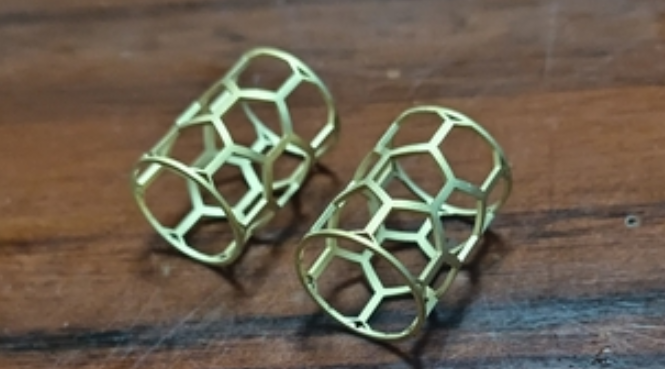
2: German Mold Maker | S136 Steel LSR Mold Cavity (HRC 58, Deep Cavity)
- Challenge: HRC 58 hardness, 4×D deep cavity, sharp internal corners. Local shop used generic 5-flute TiN tools—chipped edges every 3 parts, 20% scrap, 2-week lead time.
- Zorapid Solution: 6-flute, 25° helix AlTiN ultra-fine grain end mill + shallow cuts + air blast cooling.
- Result: Tool life 8+ hours, 0% scrap, lead time cut to 5 days, Ra 0.4 μm finish. Client now uses Zorapid for all hardened steel molds.
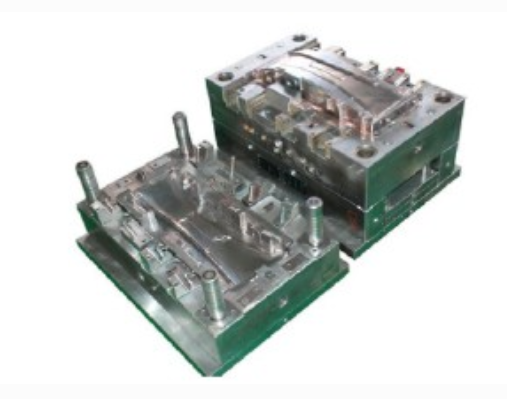
3: UK Aerospace Supplier | 17-4PH Stainless Bracket (HRC 42, Complex 3D)
- Challenge: HRC 42 hardness, complex 3D contours, tight tolerance. Previous supplier burned through 12 tools per batch (20 parts), $1,500 tooling cost, 3-week lead time.
- Zorapid Solution: 4-flute, 38° helix AlCrN hybrid end mill + optimized feed/speed + high-pressure coolant.
- Result: 2 tools per batch, tooling cost cut by 83% ($250), delivered in 6 days, passed all aerospace inspections.
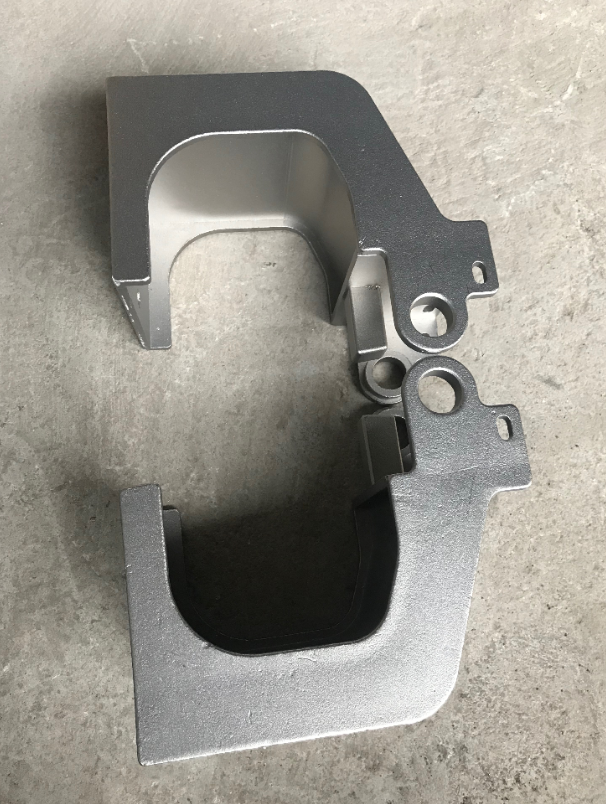
Application Scenarios (Which End Mill for Which Job?)
① Medical Devices & Implants (35% of our stainless volume)
- Materials: 316L, 17-4PH, 304
- Features: Thin walls, complex 3D contours, tight tolerances (±0.005 mm)
- End Mill Pick: 4-flute, 40° helix, AlCrN, micro-grain
- Win: No BUE, no work-hardening, easy-to-clean surface finish
Injection & LSR Molds (40% of our hardened steel volume)
- Materials: S136, H13, P20, DC53
- Features: Deep cavities, sharp corners, high hardness (HRC 45–65)
- End Mill Pick: 5–6 flute, 20°–28° helix, AlTiN, ultra-fine grain
- Win: Long tool life, no chipping, mirror finish (Ra ≤0.4 μm)
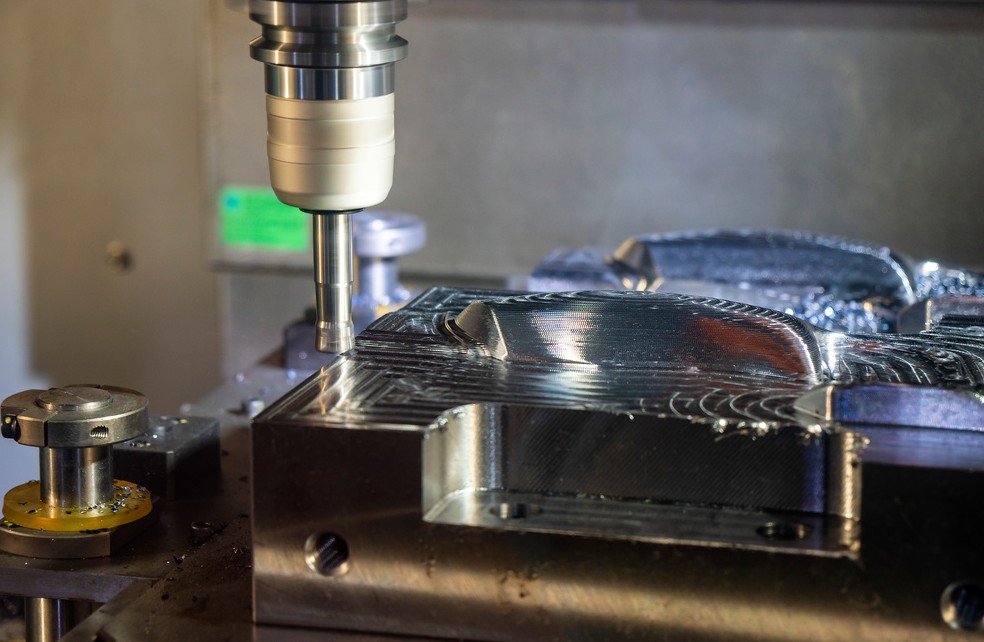
Aerospace & Defense Components (15% volume)
- Materials: 17-4PH, 304, 420J2
- Features: High-strength, complex geometries, strict fatigue requirements
- End Mill Pick: 4-flute, 35°–40° helix, AlCrN, micro-grain
- Win: Consistent tolerance, no surface defects, long tool life
Industrial Tooling & Fixtures (10% volume)
- Materials: P20, 4140 (hardened), 304
- Features: Medium hardness, general precision, high-volume
- End Mill Pick: 4–5 flute, 25°–35° helix, AlCrN/AlTiN, micro-grain
- Win: Cost-effective, reliable, easy to replace
Industry Data + Future Trends (2026–2030)
Global End Mill Market Snapshot (2026)
| Metric | Data | Source |
|---|---|---|
| Global Cutting Tool Market | USD 42.8 Billion | Grand View Research |
| End Mill Segment Share | 28% (USD 12.0 Billion) | Mordor Intelligence |
| Stainless/Hardened Steel End Mill Demand | CAGR 7.2% (2026–2030) | Cutting Tool Engineering |
| Top Material for Demand | Hardened Steel (58%) > Stainless Steel (42%) | Zorapid Industry Survey |
| Key Pain Point | Short Tool Life (68% of shops) | Modern Machine Shop |
| Adoption of Application-Specific Tools | 35% (growing fast) | Tooling & Production |
Key Future Trends + Zorapid’s Position
- Application-Specific End Mills Replace Generic Tools
- Shops ditching “one-size-fits-all” tools for stainless/hardened steel-specific designs (driven by cost and quality pressure).
- Zorapid: 100% application-specific end mills for stainless/hardened steel—no generics.
- Advanced Coatings (AlCrN/AlTiN) Become Standard
- TiN/TiAlN fading; AlCrN/AlTiN dominate for tough materials (higher heat resistance, longer life).
- Zorapid: All stainless/hardened steel end mills use AlCrN/AlTiN—no cheap coatings.
- Micro-Grain Carbide Dominates Tough Machining
- Standard grain carbides obsolete for stainless/hardened steel; micro/ultra-fine grain mandatory for tool life.
- Zorapid: All tools use 0.4–0.8 μm micro-grain carbide—no standard grain.
Delivery Speed Advantage
Waiting on custom end mills or outsourcing machining kills lead times. At Zorapid, we design, coat, and test end mills in-house—plus run machining 24/7.
Standard Lead Times (Tools + Machining)
| Job Type | Zorapid In-House | Typical Generic Tool Shop |
|---|---|---|
| Stainless Steel Prototypes (5–10 pcs) | 3–5 days | 10–14 days |
| Hardened Steel Mold Inserts (1–2 pcs) | 5–7 days | 14–21 days |
| High-Volume Stainless Parts (100–500 pcs) | 7–10 days | 21–28 days |
| Emergency Tool Replacement (Same-Day) | 24 hours | 3–5 days |
Why we’re faster:
- In-house end mill design/coating: No waiting on third-party tool makers
- 24/7 unmanned machining: No weekend downtime
- On-site tool testing: Validate tools before full production
Real example: A mold client needed 4 HRC 58 S136 inserts in 7 days. Generic shops said impossible—we delivered in 5 days, with custom AlTiN end mills.
Why Choose Zorapid for Stainless/Hardened Steel Milling
- Application-Specific End Mills: No generic tools—custom geometry, grade, and coating for stainless/hardened steel.
- 40–60% Lower Tooling Costs: Longer tool life (8–12 hours vs. 1–2 hours) = fewer tool changes, lower spend.
- Zero Scrap Guarantee: Optimized parameters + premium tools = scrap rate <2% vs. 15–20% for generic shops.
- In-House Tooling + Machining: Faster lead times, full quality control, no third-party risk.
- Medical/Aerospace Certified: ISO 13485/AS9100 compliant—perfect for regulated industries.
- Expertise in Impossible Jobs: Thin-wall stainless, HRC 65 hardened steel, deep cavities—jobs others avoid.
- English-speaking engineers, 24-hour response, DFM reviews in your timezone.
Final Summary
Milling stainless and hardened steel doesn’t have to mean burning tools, scrapping parts, and overspending. The secret isn’t faster RPM or harder tools—it’s application-specific end mill design: right geometry, right carbide grade, right coating, and right parameters.
Zorapid’s custom end mill + optimized process solves your biggest pain points:
- 40–60% lower tooling costs (8–12 hour tool life)
- Zero scrap on thin-wall stainless/HRC 65 steel
- Faster lead times (in-house tooling + 24/7 machining)
- Mirror surface finish (Ra ≤0.4–0.8 μm)
- Expertise in tough jobs others can’t handle
Whether you’re milling medical stainless brackets, hardened steel mold inserts, or aerospace 17-4PH parts—Zorapid is your one-stop partner for perfect results.
FAQ
Can I use the same end mill for both stainless and hardened steel?
Never. Stainless needs high helix/positive rake (chip flow, heat control); hardened steel needs low helix/negative rake (edge strength). Using one for the other = instant tool failure.
What’s the biggest mistake machinists make with stainless?
Too slow feed + too fast RPM—rubbing causes work-hardening, which destroys tools. Use moderate RPM, higher feed, and high-pressure coolant.
Do I need coolant for hardened steel?
No—air blast only. Liquid coolant causes thermal shock (hot edge + cold liquid = cracking). Use shallow cuts and air to clear chips.
How often should I change end mills in stainless/hardened steel?
Stainless: Every 8–12 hours (before wear causes poor finish). Hardened steel: Every 6–10 hours (before chipping). Don’t wait for failure—proactive changes save money.
Are Zorapid’s end mills more expensive than generic ones?
Upfront cost ~20% higher, but total cost 40–60% lower. Generic tools cost less per unit but need 5–10x more replacements. Zorapid’s longer life = lower total spend.