Published by Zorapid
If you’ve ever received sheet metal parts that don’t bolt up, have uneven bend angles, or fail third-party inspection because tolerance misalignment—you’re not alone. Most fabricators only follow loose generic specs, misinterpret ASME/ISO rules, or lack equipment to hold ultra-tight dimensional limits.
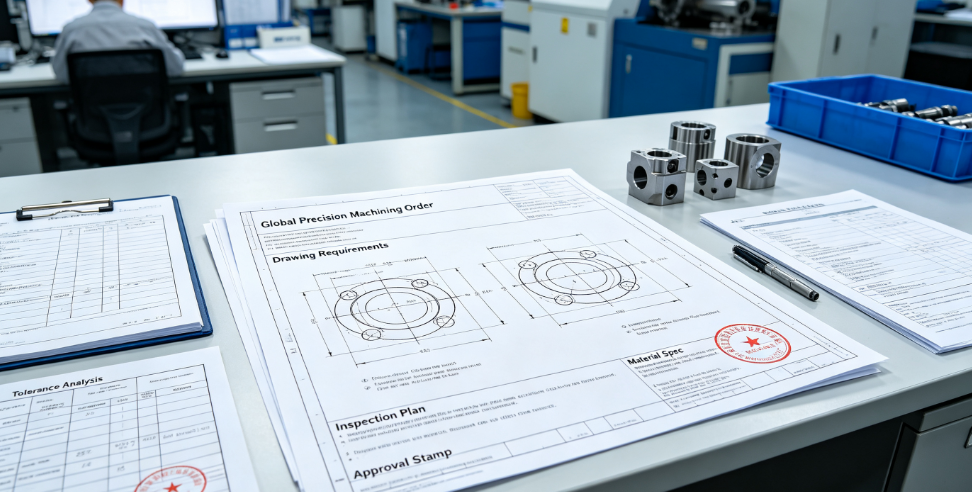
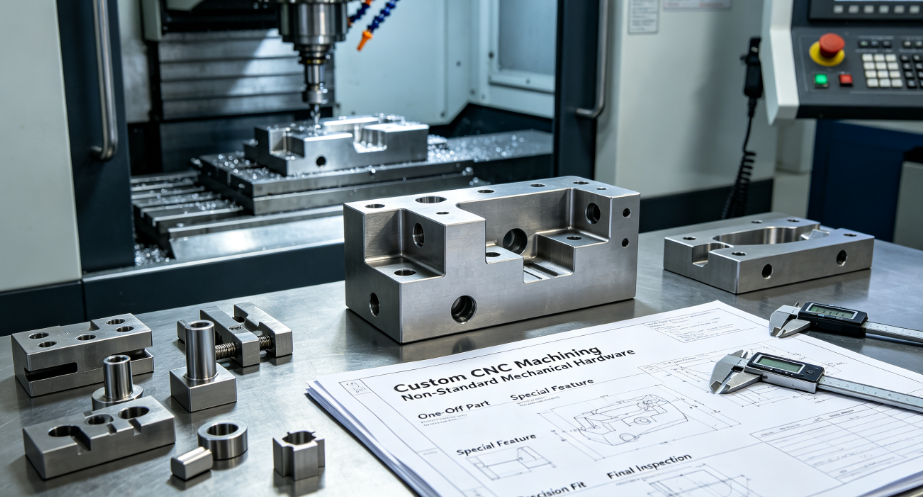
At Zorapid, we build every industrial sheet metal component locked to your requested global tolerance standards from DFM design through CMM final inspection. This guide breaks down real-world tolerance execution, our unique solve-for-impossible capabilities, material matching, verified customer cases, market trends, and exactly how we align our process with your engineering print requirements.
In-Depth Process & Technical Tolerance Analysis
Core Global Tolerance Standards We Execute Daily
Three non-negotiable rule sets for North America & Europe manufacturing:
- ASME Y14.5 (US/Aerospace/Automotive OEMs) Full GD&T geometric dimensioning control; positional, flatness, perpendicularity, runout tolerances for high-safety assemblies. Standard linear baseline: ±0.1mm, precision grade ±0.03–0.05mm. Mandatory for medical, defense, EV tier 1 parts.
- ISO 2768 (Global/EU General Fabrication) 4 tier grades: Fine(f) / Medium(m) / Coarse(c) / Very Coarse(v). Medium(m) is default for laser-cut enclosures; Fine(f) for bent structural brackets. Applies to linear size, radii, angular tolerance.
- DIN 6930 (German Press/Sheet Metal Specialized) Stricter bend springback compensation rules vs generic ISO; favored by German machinery, robotics, hydraulic system clients.
Step-by-Step Zorapid Precision Process Breakdown
- Pre-Production DFM Tolerance Simulation Our engineering team runs springback, kerf width, thermal distortion simulation before cutting. We adjust bend offsets digitally so raw output hits nominal dimension without post-shimming.
- Cutting Station Tolerance Control
- Fiber Laser Cutting: ±0.05–0.15mm (0.5–8mm sheet stock); closed-loop servo positioning, constant focal height calibration
- CNC Turret Punch: ±0.10–0.30mm; tool wear auto-compensation cycle
- Waterjet: ±0.10–0.25mm; zero heat-affected zone for reflective titanium/copper alloys
- CNC Bending (Biggest Industry Pain Point: Springback) Most suppliers apply fixed bend formulas—we use material-grade, thickness-specific AI compensation tables. For high-strength steel, we add micro-overbend to counteract natural material rebound. Angular tolerance held to ±0.2° fine grade.
- Welding & Assembly Tolerance Lock Fixture jigs custom-machined to ±0.02mm datum; TIG/MIG weld heat input controlled to minimize warpage. Critical hole patterns get post-weld reaming to hold positional GD&T.
- Final Inspection Validation Full 3D CMM scanning, laser profilometer for flatness, digital caliper batch sampling. We attach signed inspection reports matching your standard (ASME/ISO/DIN) with every shipment.
Peer Supplier Capability Comparison Table
| Evaluation Item | Average Local Asian General Fabricator | Mid-Tier Precision Shop | Zorapid Premium Precision Standard |
|---|---|---|---|
| Linear Tolerance Min Capability | ±0.4–0.8mm | ±0.15–0.3mm | ±0.03mm ultra-tight, ±0.005mm on critical features |
| Bend Angle Tolerance | ±1.0° | ±0.5° | ±0.2° fine grade |
| GD&T Positional Tolerance Support | Cannot interpret complex GD&T | Basic positional only | Full ASME Y14.5 GD&T execution, datum alignment |
| Springback Compensation | Manual trial-and-error | Fixed formula lookup | AI material-specific simulation pre-production |
| Inspection Gear | Basic caliper, visual check | Manual height gauge | Hexagon CMM, laser scanner, roughness tester |
| Standard Compliance Audit | No formal certification tracking | ISO 9001 only | ISO9001 + AS9100 aerospace compliant, full traceability |
| Scrap Rate for Tight Tolerance Jobs | 18–25% | 7–12% | 2.1% average scrap via digital pre-simulation |
Hard-to-Manufacture Parts We Solve
Top 4 Tolerance Challenges Other Shops Refuse
Challenge 1: Ultra-Thin Sheet (<0.8mm) High Flatness Requirement
Competitor Issue: Thin aluminum/stainless warps during cutting/bending; flatness deviates >0.5mm, cannot meet ±0.1mm flatness GD&T.
Zorapid Solution:
- Stress-relief pre-annealing for thin alloy stock
- Vacuum fixture holding during laser cut & bending to eliminate floating warp
- Low-heat fiber laser parameter tuning to reduce thermal stress Deliver flatness down to 0.08mm across 600mm panel spans.
Challenge 2: Deep Drawn Complex Multi-Bend Profiles with Tight Hole Positions
Competitor Issue: Cumulative bend shift moves hole patterns out of positional tolerance; rework ruins coating.
Zorapid Solution: Hybrid digital fixture + secondary CNC milling post-forming for hole datum correction; synchronized bend sequence programming to stack minimal dimensional error.
Challenge 3: High-Strength Alloys (7075 Al, 17-4PH Stainless, Ti Grade 5) Severe Springback
Competitor Issue: Hard metals rebound drastically; multiple test batches waste material and delay lead times.
Zorapid Solution: In-house material database with 200+ alloy springback curves; AI pre-overbend calculation eliminates trial runs. We hold ±0.03mm linear even on 17-4PH hardened sheet.
Challenge 4: Large Format Panels (>1200mm) With Uniform Tolerance Across Full Surface
Competitor Issue: Machine bed deflection creates edge-to-middle dimension drift; inconsistent kerf on big sheets.
Zorapid Solution: Gantry laser with real-time bed leveling, segmented cutting nesting, temperature-controlled 22°C production room for large-format runs.
Applicable Materials & Direct Performance/Tolerance Comparison
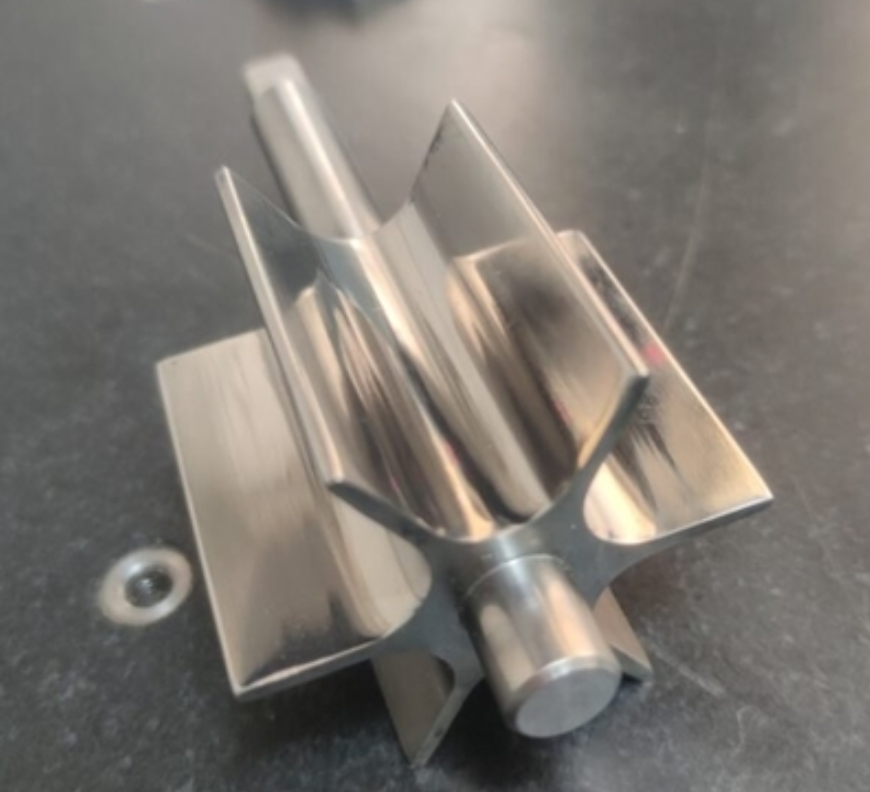
We stock fully certified mill-run sheets matching ASTM/EN alloy specs, each with documented achievable tolerance limits:
Main Industrial Material Matrix
| Material Grade | Standard Spec | Typical Achievable Linear Tolerance (Zorapid) | Key Application Fit | Surface Options |
|---|---|---|---|---|
| 6061-T6 Aluminum | ASTM B209, EN AW-6061 | ±0.03–0.10mm | EV brackets, equipment enclosures | Anodize, powder coat, chromate |
| 7075-T6 High-Strength Al | ASTM B209 | ±0.05–0.12mm | Aerospace structural frames | Hard anodize, passivation |
| 304/316 Stainless Steel | ASTM A240 | ±0.04–0.11mm | Medical, food processing, marine gear | Electropolish, passivation, brushed finish |
| 17-4PH Precip Hard SS | ASTM A693 | ±0.05–0.13mm | Valve components, hydraulic fittings | Heat treat + passivate |
| Carbon Steel A36/SPHC | ASTM A568 | ±0.06–0.15mm | General machinery frames | Zinc plate, paint, powder coat |
| Ti-6Al-4V Titanium | ASTM B265 | ±0.06–0.14mm | Medical implants, aerospace lightweight parts | Glass bead blast, passivation |
| Galvanized HSLA Automotive Steel | ASTM A1011 | ±0.04–0.12mm | EV chassis stamped assemblies | Clear seal coating |
Material Tolerance Tradeoff Quick Guide
- Soft alloys (6061, 304 SS): Easiest to hold ultra-tight tolerances, lowest scrap
- Precip-hardened & titanium alloys: Higher springback risk—only shops with calibrated material databases can hit print specs consistently
- Thin galvanized stock: Prone to coating chipping during aggressive bending; Zorapid uses radius-modified tooling to preserve surface while holding dimension
Real Verified Customer Case Studies
Case 1: German Aerospace Tier 1 – 7075 Aluminum Aircraft Bracket
Client Requirement: ASME Y14.5 GD&T, linear ±0.04mm, bend angle ±0.2°, batch 350 pcs
Competitor Failure Point: 2 prior suppliers delivered 32% scrap from uncompensated 7075 springback, 3-week delays
Zorapid Execution:
- Pre-simulated bend overcompensation via our 7075 alloy curve
- Temperature-controlled production cell (22°C constant)
- 100% CMM inspection per batch subset Result: 1.8% scrap rate, fully passed Luftfahrt-Bundesamt audit, on-time delivery in 8 days. Client renewed 2-year exclusive sheet metal contract.
Case 2: US Medical OEM – Ti-6Al-4V Surgical Device Housing
Client Requirement: ISO 2768 Fine(f), flatness ±0.08mm, biocompatible electropolish finish
Competitor Failure: Thin titanium (1.0mm) warpage after laser cutting; flatness out by 0.6mm
Zorapid Execution: Vacuum fixture cutting + low-stress TIG welding, stress relief bake post-forming
Result: FDA-compliant surface, zero dimensional rejects, prototype to production scaling seamless.
Case3: European EV Manufacturer – 17-4PH Battery Fastener Brackets
Client Requirement: DIN 6930 precision grade, positional hole tolerance ±0.03mm for bolt assembly
Pain Point: Hard stainless shifted hole positions post-bend with standard fabricators
Zorapid Solution: Post-bend CNC reaming of datum holes, custom hardened bending dies
Outcome: Full automated assembly line fit without manual adjustment, cost 12% lower than EU local fabrication.
Your Unique Demand → Zorapid Customized Tolerance Solution Workflow
We tailor every project to your drawing’s exact tolerance hierarchy (critical features first):
- Engineering Print Review (Free DFM Check) Send STEP/DXF/PDF drawings; our team flags over-specified loose tolerances (to cut your cost) or highlights high-risk tight features needing special process tweaks. We confirm ASME/ISO/DIN standard alignment in writing before production.
- Tolerance Tier Segmentation
- Critical safety/assembly features: Lock to minimum achievable tolerance with 100% CMM check
- Non-cosmetic non-fit features: Adjust to cost-effective medium grade per ISO 2768(m) without hurting function
- Process Customization Package Assign dedicated precision cell, alloy-specific tooling, temperature control, or hybrid cut/bend/mill sequence based on your part geometry
- Sample Validation First (No Mass Production Risk) We ship 2–5 pre-production samples with full inspection reports for your lab/assembly testing; adjust parameters once before full batch run
- Batch Traceability & Inspection Reporting Every shipment includes serialized CMM data, material mill certs, tolerance compliance paperwork formatted for EU/US audit standards.
Global Sheet Metal Industry Data & Future Trend Analysis (2026–2035)
Core Market Size Data (FMI Verified Global Figures)
| Metric | 2026 Baseline Value | 2035 Forecast Value | 10-Year CAGR |
|---|---|---|---|
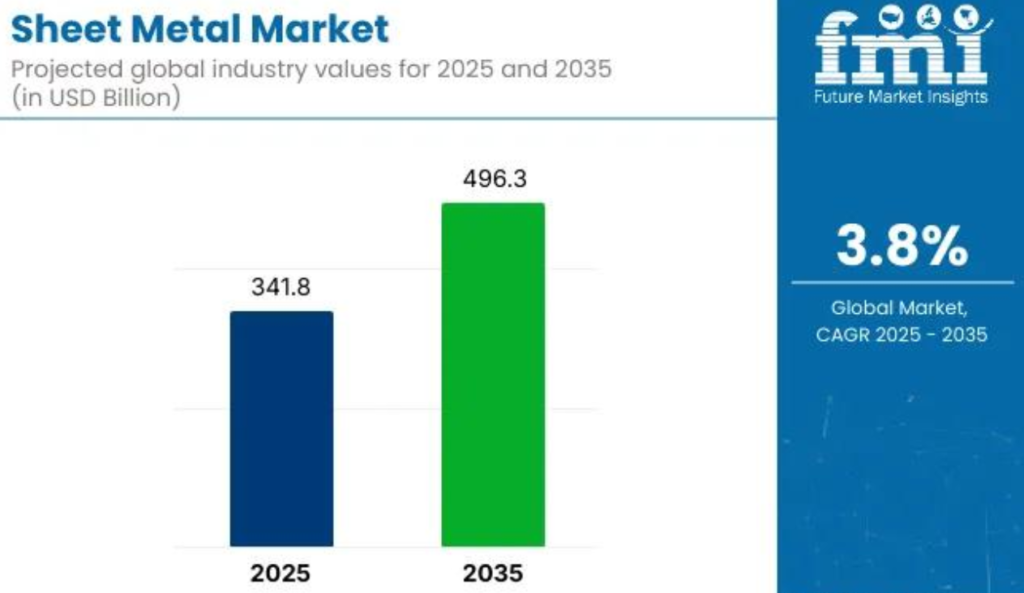
| Global Total Sheet Metal Market | $349.2 Billion | $496.3 Billion | 3.8% |
| Precision High-Tolerance Segment Share | 32% of total market | 47% of total market | 7.2% (fastest growing sub-sector) |
| Automotive/EV Application Revenue | $139.7 Billion (40% share) | $198.5 Billion | 3.7% |
| Aerospace/Medical Precision Portion | $41.9 Billion | $74.4 Billion | 6.6% |
| Stainless Steel Material Dominance | 60% material volume share | 57% volume share (aluminum/titanium rising) | — |
Key Future Industry Trends & What It Means For Your Supply Chain
- Tolerance Specs Will Keep Tightening Across All Industries EV lightweighting, medical miniaturization, aerospace safety regulations push OEMs to upgrade from ISO Medium(m) to Fine(f) or full ASME GD&T. 68% of Western procurement teams plan to raise precision requirements by 2028 per FMI survey.
- Automated Smart Fabrication Separates Winners & Losers Shops relying on manual bend trial runs will lose high-tolerance jobs; AI simulation, CMM automation, temperature-controlled cells become minimum qualification for Tier 1 supply. Zorapid completed full digital factory upgrade in 2025, fully aligned with Industry 4.0 precision standards.
- Dual-Standard (ASME + ISO) Supplier Demand Surges Multinational OEMs need one vendor capable of supporting US ASME and EU DIN/ISO prints; many regional fabricators only master one standard set. Our dual-certified engineering team eliminates dual-supplier overhead.
- Low Scrap, Sustainable Precision Becomes Procurement KPI Western buyers now score vendors on scrap rate, material waste, carbon footprint alongside tolerance compliance. Our 2.1% average precision scrap outperforms industry average 10–20% waste.
Full Application Scenarios for Zorapid Tolerance-Controlled Sheet Metal
- Aerospace & Defense Aircraft brackets, avionics enclosures, hydraulic sheet components; AS9100 certified, ultra-tight GD&T, traceable aerospace alloys (7075, Ti-6Al-4V)
- Medical Devices & Lab Equipment Surgical tool housings, diagnostic machine frames, implant fixtures; biocompatible finishes, ISO Fine tolerance grade, FDA audit-ready documentation
- Electric Vehicle (EV) & Automotive Tier 1 Battery brackets, motor housings, lightweight chassis parts; DIN/ASME automotive stamping tolerances, HSLA & aluminum lightweight stock
- Industrial Robotics & Automation Robot arm frames, gearbox housings, sensor mounting plates; precise hole positional tolerance for automated assembly lines
- Semiconductor & Electronics Enclosures Shielded cabinet panels, heat sink frames; thin aluminum, tight flatness, EMI shielding surface treatments
- Marine & Offshore Energy 316SS corrosion-resistant structural parts; marine-grade tolerance standards, salt-spray tested coatings
- General Heavy Machinery & Hydraulics Pump housings, valve brackets, equipment frames; cost-balanced ISO medium/fine grade per load requirement
Zorapid Delivery Speed Timeline
No more multi-week waits for precision tolerance sheet metal—our automated 3000㎡ smart factory compresses lead times drastically:
| Project Stage | Standard Lead Time (Zorapid) | Industry Average Lead Time |
|---|---|---|
| Prototype (1–10 pcs) | 3–7 business days | 14–28 days |
| Small Batch (10–500 pcs) | 7–12 business days | 21–45 days |
| Mass Production (500–10,000+ pcs) | 14–25 business days | 35–70 days |
| Rush Expedite Service (Critical OEM launches) | 2–4 day prototype turnaround | Rarely offered by competitors |
Speed Drivers We Deploy Without Sacrificing Tolerance Quality
- 24hr multi-shift precision production cells dedicated to Western client orders
- In-house full process chain (cut → bend → weld → machine → coat → inspect) no outsourced sub-suppliers adding delays
- Digital order tracking portal for EU/US time zone real-time progress updates
- Pre-stocked certified alloy sheets for fast material staging
Core Advantages of Partnering With Zorapid for Tolerance-Critical Sheet Metal
- Dual ASME/ISO/DIN Mastery, No Standard Misinterpretation Most fabricators only speak one regional rulebook; our engineering team writes inspection reports aligned to your exact required standard every time.
- AI-Powered Pre-Production Tolerance Simulation Cuts Scrap & Rework No costly trial batches—we predict springback, kerf, warpage digitally before cutting raw material.
- Full In-House Inspection Lab (Hexagon CMM, Laser Scanners) Third-party audit-ready quality records; we don’t outsource metrology to unreliable external labs.
- 20+ Years Precision Fabrication Expertise for Hard Alloys Deep database of titanium, 17-4PH, 7075 aluminum tolerance behavior competitors lack.
- EU/US Export-Focused Workflow & Communication English-speaking engineering & sales teams, time-zone aligned support, Incoterms DAP/DDP shipping options, compliant customs documentation.
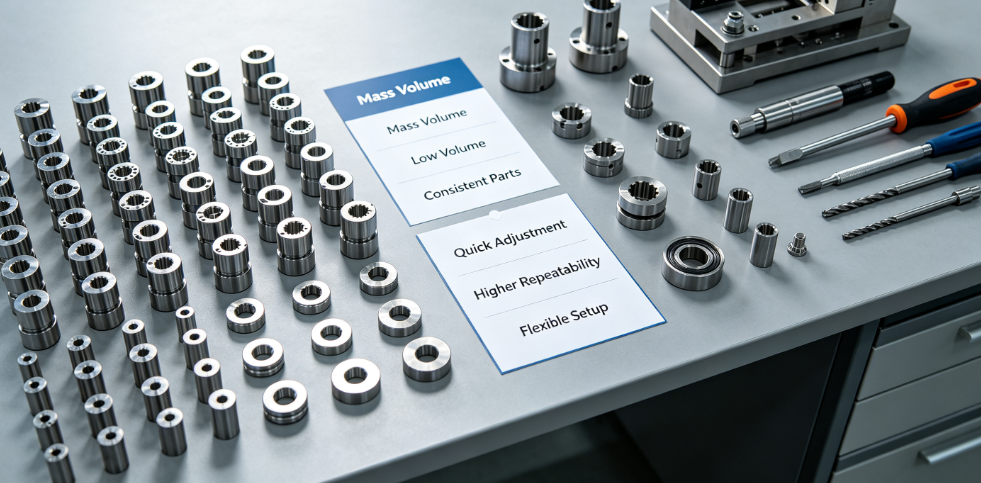
- Flexible Volume: Prototype → Low Batch → Mass Production Scaling Same strict tolerance standards maintained whether you order 2 prototypes or 10k mass units; no quality drop-off for high volume.
- DFM Cost Optimization Without Sacrificing Print Tolerance Our engineers identify where loose tolerances can safely reduce your unit price while protecting critical fit features.
- Certified Quality Management System Formalized tolerance control SOPs, full material traceability, annual third-party audit validation.
Summary Wrap-Up
Tolerance compliance isn’t just a box-ticking spec—it’s the foundation of your assembly reliability, inspection pass rate, product lifespan, and overall project cost. Generic sheet metal shops often treat ASME, ISO, and DIN standards as interchangeable loose guidelines, leading to missed deadlines, wasted material, and failed OEM audits.
Zorapid’s entire sheet metal operation is built around locked, standard-aligned tolerance execution: from DFM simulation and alloy-specific process tuning, to 100% verified CMM inspection and global export-ready delivery. We take on the ultra-tight, hard-to-manufacture parts competitors decline, deliver consistent quality across prototypes to mass runs, and support both US ASME and European ISO/DIN engineering requirements seamlessly.
If your next sheet metal project demands zero tolerance mismatches and predictable on-time output—send your drawings today for a free DFM tolerance review and formal quote tailored to your global quality standards.
FAQ
Can Zorapid strictly follow ASME Y14.5 GD&T for aerospace/medical parts?
Yes, our engineering team is trained full-time on GD&T datum, positional, form tolerance symbols; AS9100 certification validates aerospace-grade execution, with full CMM GD&T measurement reporting included.
What’s the tightest linear tolerance you can reliably hold on sheet metal?
Critical localized features down to ±0.005mm; standard precision batch linear tolerance consistent at ±0.03mm for most alloy sheet stock.
Do you offer material mill certificates matching ASTM/EN specs?
Every material shipment arrives with original mill test reports (MTRs) serialized to your batch; we archive records for 7 years for audit access.
How do you handle springback on high-strength metals like 7075 or 17-4PH?
Our proprietary AI springback database stores calibrated offset values for 200+ alloys and thicknesses; pre-production digital overbend calculation eliminates physical trial runs.
Is there a minimum order quantity for tight tolerance sheet metal parts?
No MOQ barrier—we support 1-off prototype development all the way to 10,000+ mass production runs with identical tolerance quality controls.
Can you adjust tolerance grades to lower my total part cost without hurting assembly function?
Absolutely, our free DFM analysis flags non-critical features safe to downgrade from Fine(f) to Medium(m) ISO grade to reduce labor/scrap cost while protecting fit-critical dimensions.
What shipping terms do you offer for USA/European customers?
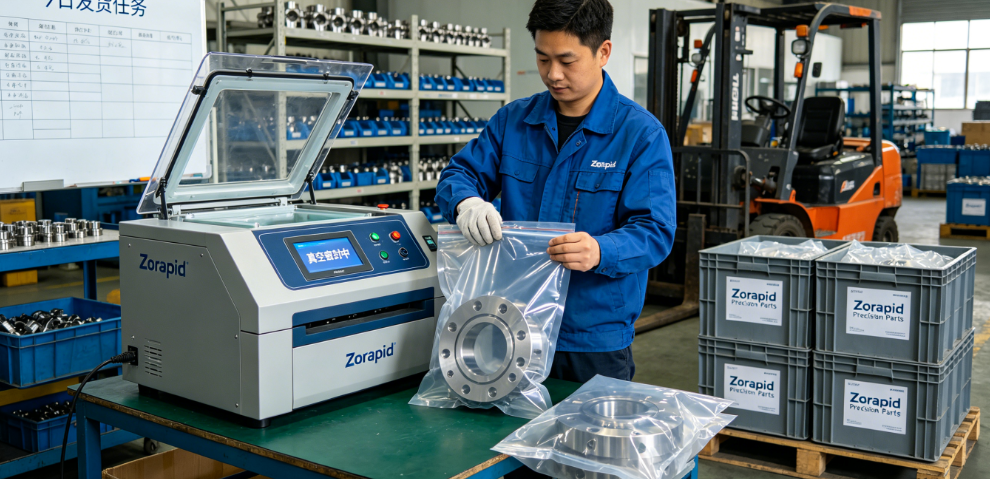
We support EXW, FOB, DAP, DDP door-to-door air/sea freight, with export packaging engineered to prevent transit dimensional shift or surface damage.
How fast can I get inspection reports after production finishes?
CMM scan data and signed compliance docs are shared digitally within 24 hours of batch completion; physical hard copies ship with your parts package.