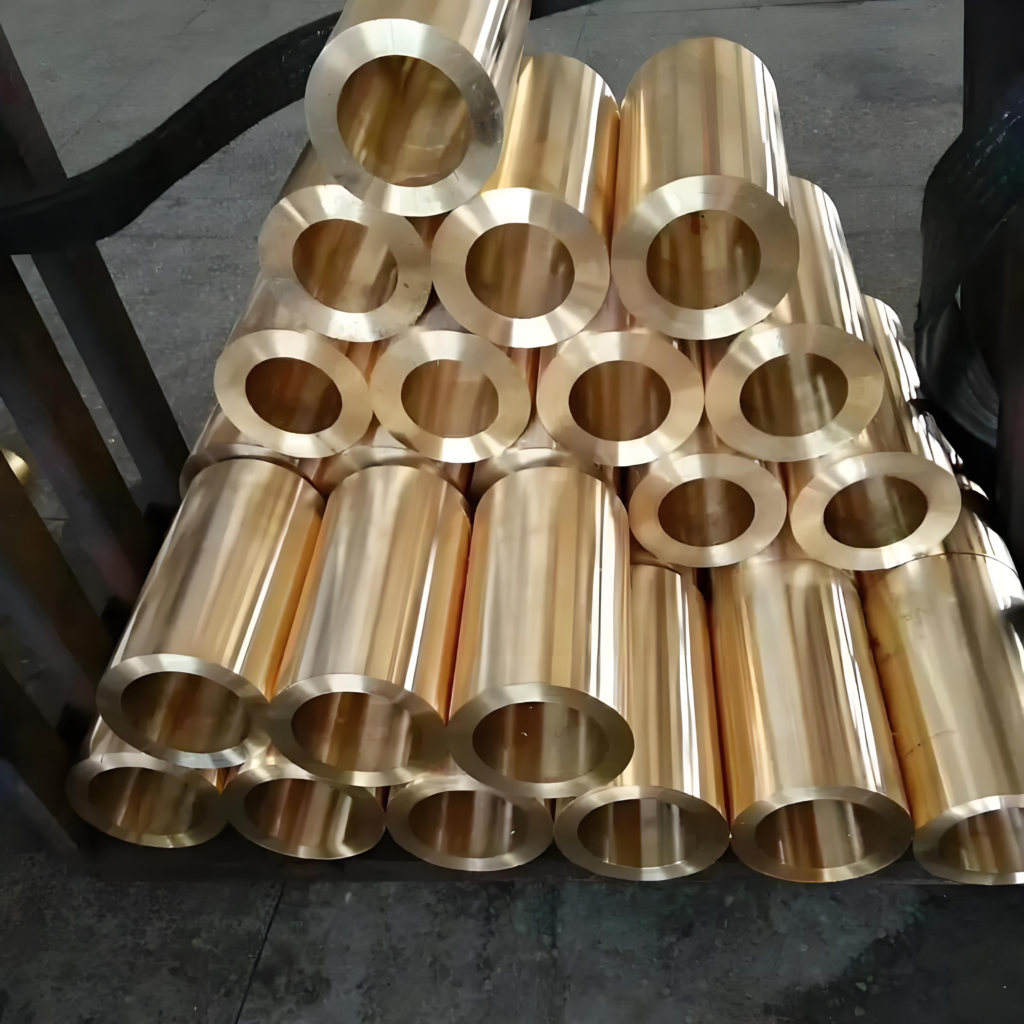
At Zorapid Metal Manufacturing, a common question often comes up: Why does aluminum bronze require so much attention during machining? Despite its outstanding reputation in the aerospace and marine industries.
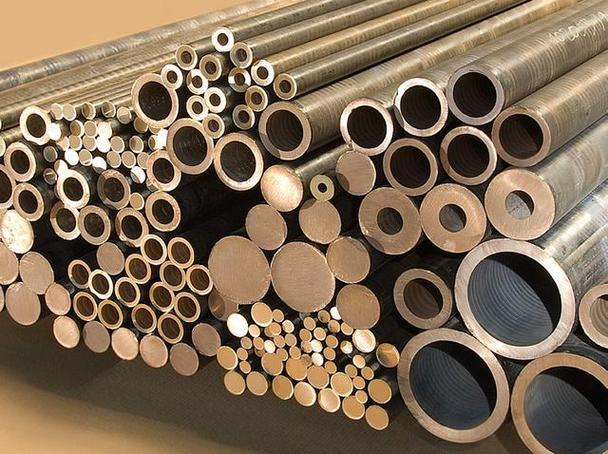
Zorapid
What is Aluminum Bronze?
This alloy consists of copper, aluminum, and small amounts of other elements. Manufacturers commonly select this material for producing aerospace and marine components. Its durable properties allow it to withstand harsh environmental conditions such as seawater.
Is Aluminum Bronze Easy to Machine?
No, it is difficult to machine for the following reasons:
- High strength
- Excellent wear resistance
- High thermal conductivity
- Copper composition
- Poor chip formation
Aluminum Bronze Machining Cost
Due to its high thermal conductivity, poor chip formation and high copper content.
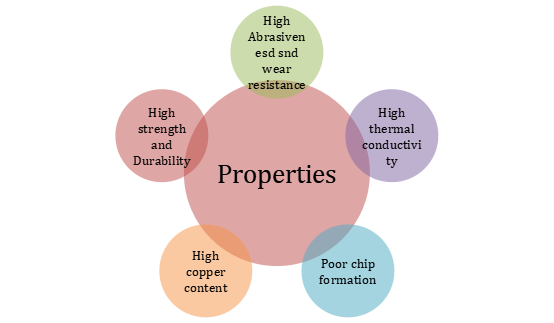
Key Properties of Aluminum Bronze Alloy
Below are the major characteristics of this alloy:
- High wear resistance
- High strength and durability
- High thermal conductivity
- High copper content
- Poor chip formation
Aluminum Bronze Grades and Their Machinability
Here you will learn about different aluminum bronze grades and their performance during machining:
C63000 Nickel Aluminum Bronze
This alloy machines much easier with modern CNC equipment. Ensure proper lubrication to maintain tight tolerances.
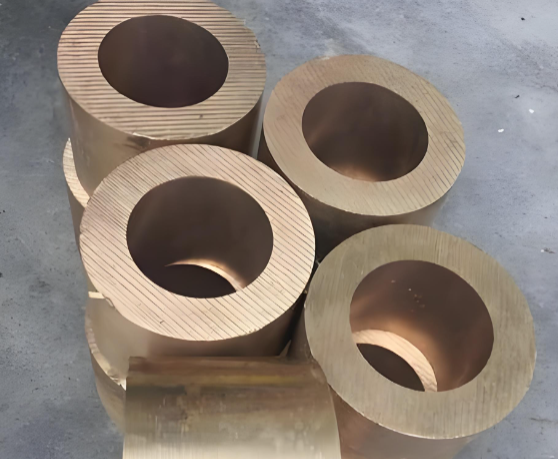
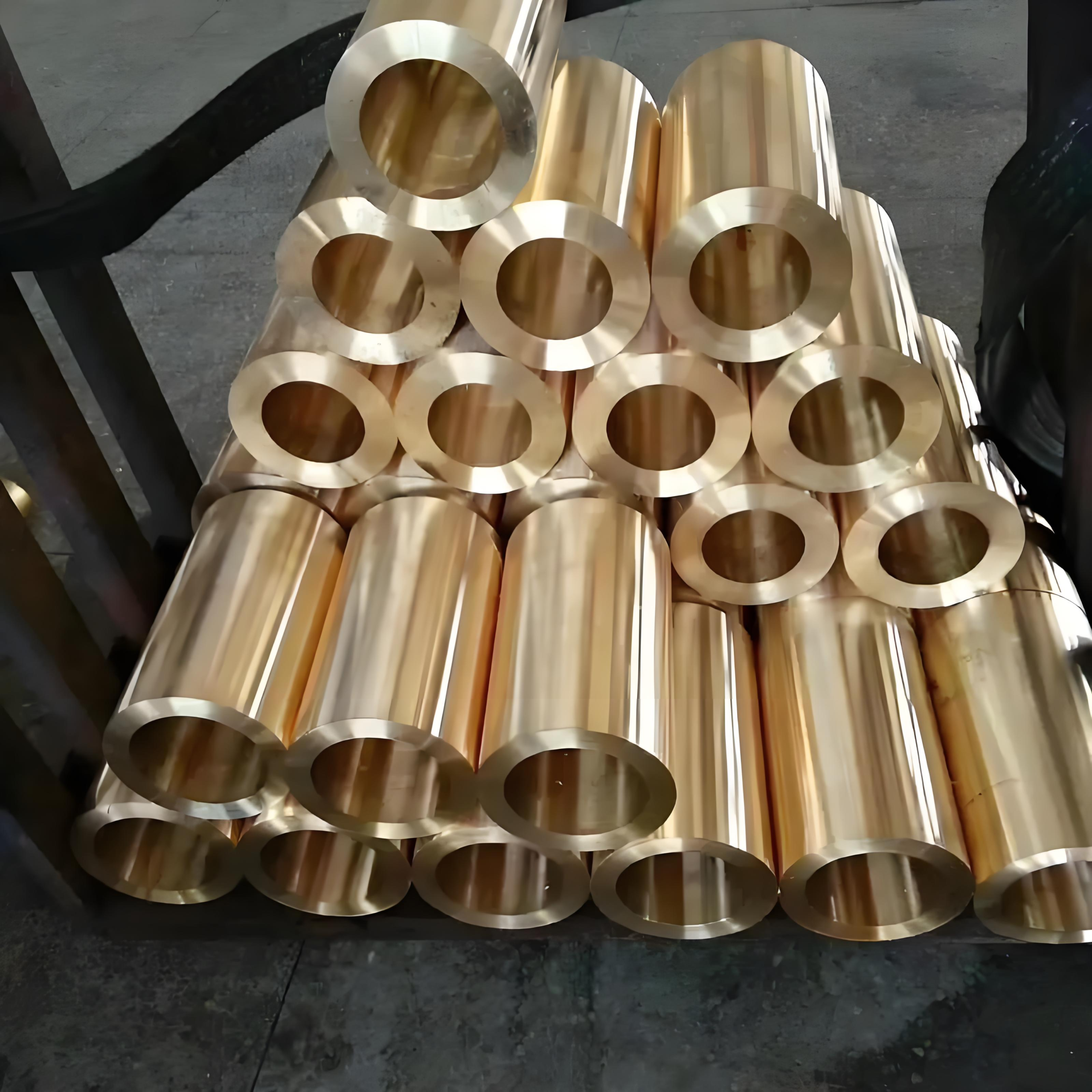
C95400 Aluminum Bronze
This alloy offers good machinability. For optimal machining performance, carbide cutting tools and coolant are recommended to avoid overheating.
Zorapid
954 Aluminum Bronze
This alloy is identical to C95400 aluminum bronze and shares similar machining characteristics.
CA104 Aluminum Bronze
This alloy delivers good mechanical properties and machinability. Optimal cutting speed and other process parameters are still required to achieve ideal machining results.
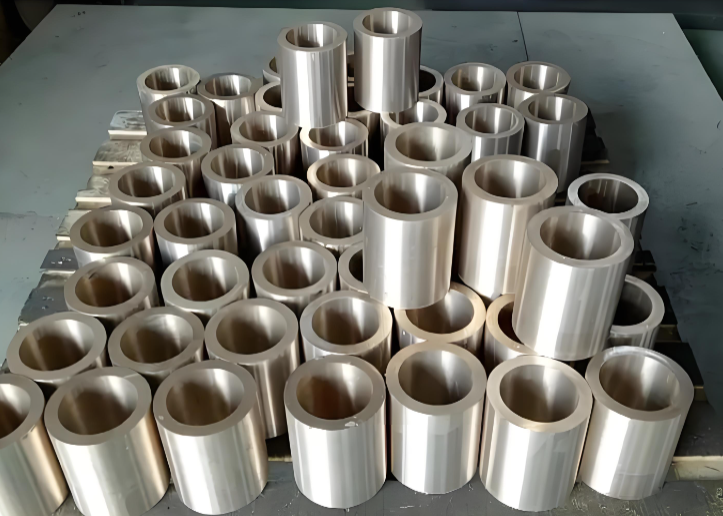
Alloy 02-833 & NES 833
During manufacturing, the machinability rating of this alloy is only 20% compared with brass. Machining it requires proper tool materials, suitable coolant, and skilled operators.
Applications in Defense and Specialized Industries
This alloy features excellent resistance to seawater corrosion, making it ideal for the marine industry. The high strength-to-weight ratio of aluminum bronze allows the aerospace industry to utilize this material optimally.
Challenges in Aluminum Bronze Machining
Workers routinely perform aluminum bronze machining in production setups.
Tool Wear and Abrasion
The material exhibits high abrasiveness and causes severe tool wear, significantly shortening tool service life.
Heat Dissipation and Thermal Management
Aluminum bronze generates heat rapidly during machining, posing major processing challenges. The issue is further aggravated without high-quality coolant.
Maintaining Dimensional Accuracy and Surface Finish
High copper content in the alloy leads to material built-up edge adhesion, making it difficult to achieve a smooth surface finish.
Poor Chip Formation and Chip Removal
Chip clogging commonly occurs, resulting in unstable chip formation and inefficient chip evacuation.
Typical Components & Industries
This alloy is widely used across these key industries:
- Marine Shipbuilding
- Aerospace Components: https://zorapid.com/aerospace
- Industrial Equipment: https://zorapid.com/industrial-equipment
- Automotive: https://zorapid.com/automotive-industry
- Oil & Gas Sector
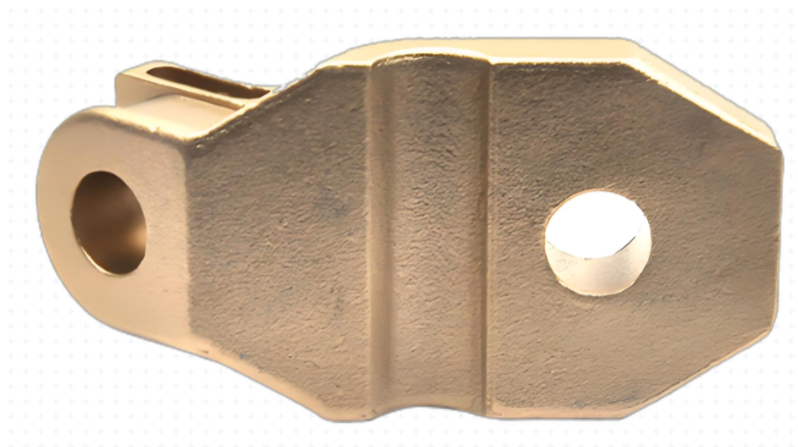
Performance Advantages for Marine, Aerospace and Industrial Applications
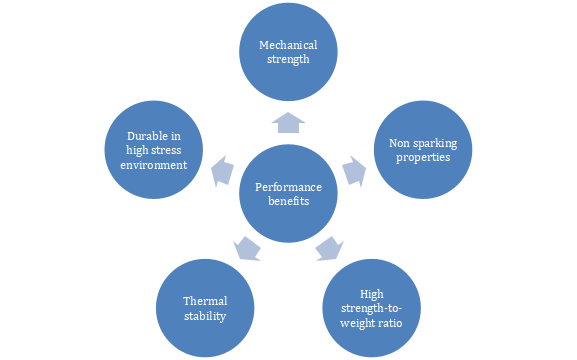
Below are its key performance benefits for these applications:
- Mechanical strength
- Durable under high-pressure conditions
- Non-sparking properties
- Thermal stability
- High strength-to-weight ratio
Best Practices for Aluminum Bronze Machining
When consulting skilled, experienced machinists specializing in aluminum bronze processing, we observed they follow these key parameters:
Select Optimal Cutting Tools
They prefer carbide and coated carbide tools renowned for durability and wear resistance, which effectively resolve heat buildup issues.
Recommended Cutting Speed and Feed Rate
Optimize cutting speed at 60–120 mpm and feed rate at 0.1–0.5 mm/rev to avoid overheating.
Lubrication and Cooling Methods
Experienced operators use synthetic coolant to effectively prevent tool damage.
Strategies to Reduce Tool Wear
Follow these practices to minimize tool abrasion:
- Maintain cutting tools regularly
- Fine-tune machining parameters precisely
- Avoid work hardening of the alloy during processing
Heat Treatment and Its Effect on Alloy Hardness
If your application requires enhanced performance of this alloy — especially improved hardness and strength — targeted heat treatment is essential.
The recommended process consists of solution heat treatment followed by aging for a specified duration. This maximizes the alloy’s hardness, reliably meeting application demands under harsh environmental conditions and high mechanical stress.
Surface Finishing Options for Aluminum Bronze Parts
If your application requires additional finishing to modify properties and extend service life, here are available options:
Polishing & Coating
Tribology labs offer both mechanical polishing and electrolytic polishing. Simply select your parts, and you will get the optimal solution to extend their service life.
Corrosion-Resistant Surface Treatments
Finished parts can be further processed for enhanced corrosion resistance. Components may undergo anodizing, thermal spraying, and other diffusion treatments such as nitriding.
Quality Control and Standards
To maintain the quality of this alloy, start with visual inspection. If no defects are found, follow international standards and perform both destructive and non-destructive tests without hesitation to ensure optimal performance.
Outsourcing Aluminum Bronze Machining: Why Choose Zorapid
Zorapid is renowned for premium CNC machining services, with over 20 years of industry experience. Our skilled machinists have overcome countless technical challenges to deliver flawless results. If you want professional insights into aluminum bronze machining, partnering with our team of metallurgists and manufacturing experts is your ideal choice.
FAQ
What are the key properties of aluminum bronze?
High strength and hardness, excellent wear resistance, seawater and chemical corrosion resistance, good thermal and electrical conductivity, high temperature stability and impact resistance for heavy-load moving parts.
What are the difficulties in machining aluminum bronze?
High toughness and viscosity easily cause built-up edge and burrs. High thermal conductivity accelerates tool tip heat and wear. Its hardness tends to induce vibration and poor surface finish with improper feeds.
Can Zorapid customize precision aluminum bronze parts?
Zorapid provides custom turning, milling and drilling for aluminum bronze bearings, bushings and wear components. Available from one-piece prototype to small batches with stable tolerance and fine surface finish.