Medical CNC machining is a key pillar of global healthcare, supplying precise, reliable parts for medical devices, implants and surgical instruments.
Advancing medical technology drives rising demand for high-quality, durable custom components, opening market opportunities for CNC machinists and manufacturers.
Whether you’re an individual machinist new to medical manufacturing or a company expanding into this sector, mastering medical-grade CNC machining specifics is critical to success.
Key aspects of the medical CNC machining industry include understanding the regulatory landscape, obtaining essential certifications, mastering professional machining techniques, investing in suitable equipment, and building a solid network within the medical device and healthcare sectors.
Zorapid will explore the various challenges and opportunities facing the industry, as well as provide guidance on how to embark on a path to success.
Understand the Medical CNC Machining Market
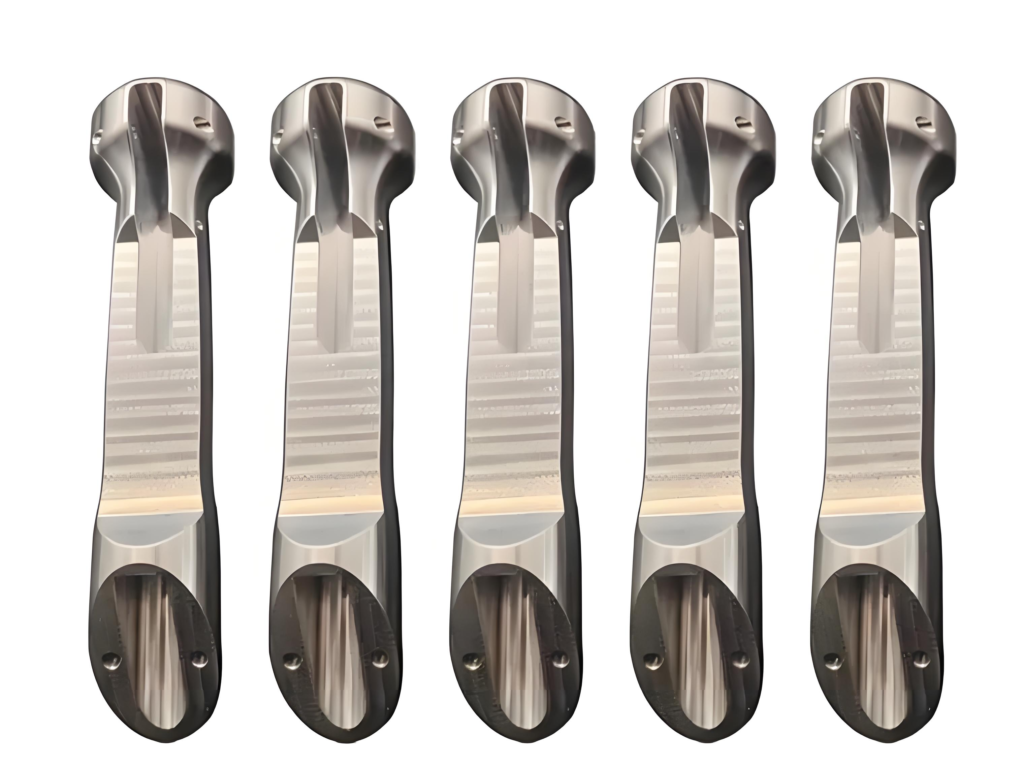
The medical CNC machining industry involves the manufacturing of high-precision parts for medical equipment, devices, and implants. These parts must meet stringent quality standards and often play a critical role in patient safety and medical treatment outcomes. Components produced for the medical industry via CNC machining include orthopedic implants (such as knee and hip replacements), dental implants, surgical instruments, and diagnostic equipment.
Given the critical importance of these components, the medical CNC machining market is heavily regulated. Manufacturers must comply with strict guidelines and certifications to ensure the safety and performance of their products. The industry places great emphasis on precision, cleanliness, and the use of biocompatible materials, making it a unique and highly specialized sector.
CNC machining in the medical field involves far more than simply operating machines; it also requires a comprehensive understanding of medical device design, materials, manufacturing processes, and compliance with global standards.
Acquire Essential Skills
Beyond general CNC machining knowledge, it is also crucial to understand the specific requirements of medical device manufacturing and the healthcare industry.
Professional training in medical device regulations — such as FDA guidelines, ISO standards, and Good Manufacturing Practice (GMP) — is essential for achieving success in this field.
For those already working in the mechanical machining industry, obtaining medical device manufacturing certifications can help them stand out from other professionals in the field. Various organizations offer certifications in specialized areas, including medical implant machining, precision machining, and medical device design and manufacturing.
Choosing the Right Medical CNC Machining Equipment
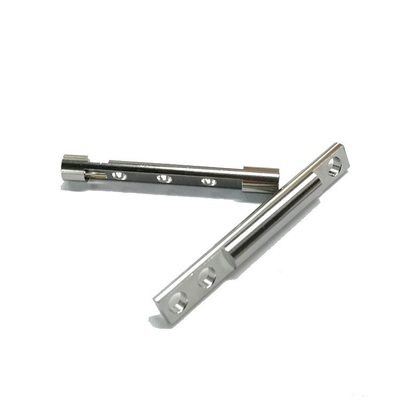
Investing in suitable CNC machining equipment is critical to success in the medical industry. The precision required for medical components often demands state-of-the-art machinery and specialized tooling. Some key factors to consider when selecting medical CNC machining equipment include:
Precision and Tolerance
Medical devices require extremely tight tolerances to ensure proper functionality and safety. Even a minor error during machining may lead to device malfunction, patient injury, or regulatory non-compliance. It is critical to invest in CNC machines that deliver high precision and repeatability.
Machines such as multi-axis CNC milling machines, lathes, and Swiss-type lathes are commonly used in medical machining to handle complex geometries and tight tolerances. Specialized equipment like electrical discharge machining (EDM) machines are required for producing intricate features or machining difficult-to-cut materials.
Material Selection
Material selection is also critical in medical CNC machining. Medical-grade materials must be biocompatible, meaning they do not cause adverse reactions when in contact with human tissues. Commonly used materials in medical device manufacturing include stainless steel, titanium, cobalt-chromium alloys, and polymers such as PEEK (Polyether Ether Ketone).
Machinists in the medical industry must be familiar with the properties of these materials and the specific machining techniques required to process them. Certain materials such as titanium require specialized tooling and cutting strategies to achieve the required surface finish and dimensional accuracy.
Cleanliness and Contamination Control
Cleanliness is critical for medical components, as even the slightest amount of contamination can compromise the safety of the final products. CNC machining centers used in medical device manufacturing must be equipped with advanced cleaning systems and follow strict contamination control protocols.
Many medical CNC machining facilities adopt Class 100 or ISO Class 5 cleanroom environments to ensure parts are produced in a contamination-free space. These controlled environments are equipped with air filtration systems, humidity regulation, and other features to maintain workplace cleanliness.
Building Relationships with Medical Device Manufacturers
Establishing connections and long-term solid relationships with medical device manufacturing factories is a key strategy for entering the medical CNC machining industry. Many medical device companies outsource the production of certain components, including custom parts, to professional CNC machinists and manufacturers. By building partnerships with these enterprises, machinists can secure high-value contracts and expand their influence across the industry.
Attending industry conferences, trade shows, and medical device exhibitions is an excellent way to meet potential clients and keep up with the latest trends and innovations in medical manufacturing. Industry events also offer opportunities to network with regulatory experts, quality control professionals, and other key stakeholders in the medical device sector.
Challenges and Opportunities in the Medical CNC Machining Industry
Challenges
The medical CNC machining industry presents numerous challenges for new entrants, including a complex regulatory environment, high costs of equipment and certifications, and the need to keep pace with advancements in medical technology. Compliance with regulations such as ISO certification and FDA approval involves substantial expenses, which can serve as a major barrier for small and medium-sized enterprises entering the industry.
Opportunities
Despite these challenges, the medical CNC machining industry offers tremendous growth opportunities. With an aging population and rising demand for medical devices, the need for high-quality, precision-manufactured parts continues to grow. Technological advancements in medical imaging, robotics, and implantable devices also create new opportunities for CNC machinists, enabling them to contribute to cutting-edge innovations in the healthcare sector.
Conclusion
Entering the medical CNC machining industry requires technical expertise, regulatory knowledge, and a firm commitment to quality. By acquiring essential skills and certifications, investing in proper equipment, and building solid relationships with medical device manufacturers, machinists and companies can gain a foothold in this critical and lucrative market. With the right approach, the medical CNC machining industry offers abundant opportunities for those who are willing to navigate its complexities and meet the stringent requirements of the healthcare sector.
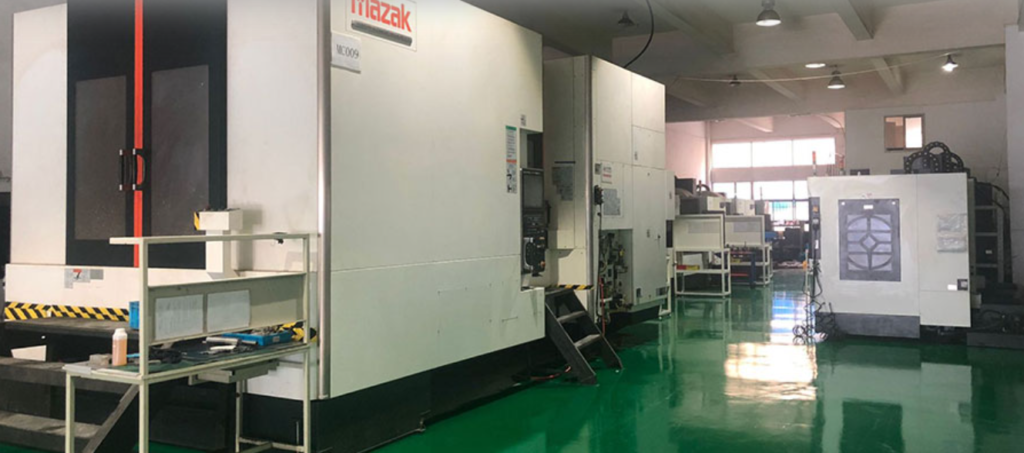
3, 4 & 5-Axis Precision CNC Machining Services
Services include aluminum machining, beryllium machining, carbon steel machining, magnesium machining, titanium machining, Inconel, platinum, superalloys, acetal, polycarbonate, fiberglass, graphite, and wood.
Capable of machining parts with a turning diameter up to 98 inches and a straightness tolerance of ±0.001 inch.
Processes include milling, turning, drilling, boring, threading, tapping, forming, knurling, counterboring, countersinking, reaming, and laser cutting.
Secondary services such as assembly, centerless grinding, heat treatment, electroplating, and welding are available.
Prototyping and low-volume production up to 50,000 pieces are provided.
Suitable for fluid power, pneumatic, hydraulic, and valve applications.
Serving the aerospace, aircraft, military, medical, and defense industries.
PTJ will work with you to develop strategies and deliver the most cost-effective services to help you achieve your goals. Welcome to contact us directly at https://zorapid.com for your new projects.