If you’ve ever been in the middle of a critical lathe job and felt that annoying chatter, hum, or violent shaking—you know it kills precision, wrecks tools, and ruins parts. More often than not, the culprit isn’t the motor, spindle, or even your parameters. It’s a faulty drill rod.
At Zorapid, we’ve diagnosed and fixed thousands of vibration issues. Most shops treat vibration as “normal” or “unavoidable.” We don’t. We eliminate it at the source—even on the hardest materials, longest rods, and tightest tolerances.
Let’s break it down plain, technical, and with real proof.
Technical Deep Dive: How Drill Rod Failures Cause Lathe Vibration
Vibration in lathes from drill rods isn’t random—it’s physics. A drill rod is a slender, flexible beam under torque, axial load, and radial force. Any flaw turns it into a vibration generator.
The Main Types of Drill Rod Failures (And How They Vibrate)
Bent or Bowed Drill Rod (Most Common)
- Vibration type: Radial (side‑to‑side) wobble—like a jump rope spinning unevenly.
- What it is: The rod isn’t straight—even 0.02 mm bend over 500 mm length.
- Why it happens: Overload, dropping, improper storage, or hard material drilling without support.
- Effect: Chatter marks on the part, ±0.05 mm runout, broken inserts, poor surface finish
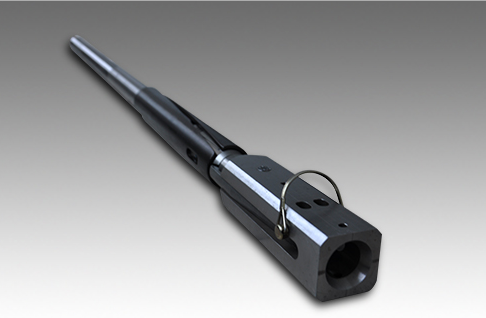
Worn or Damaged Threaded Joints
- What it is: Threads at the rod–shank connection are worn, stripped, or misaligned.
- Vibration type: Torsional (twisting) vibration + periodic jerking.
- Why it happens: Repeated use, improper torque, dirty threads, or galling.
- Effect: Spindle hum, inconsistent torque, sudden tool breakage, loose tooling.
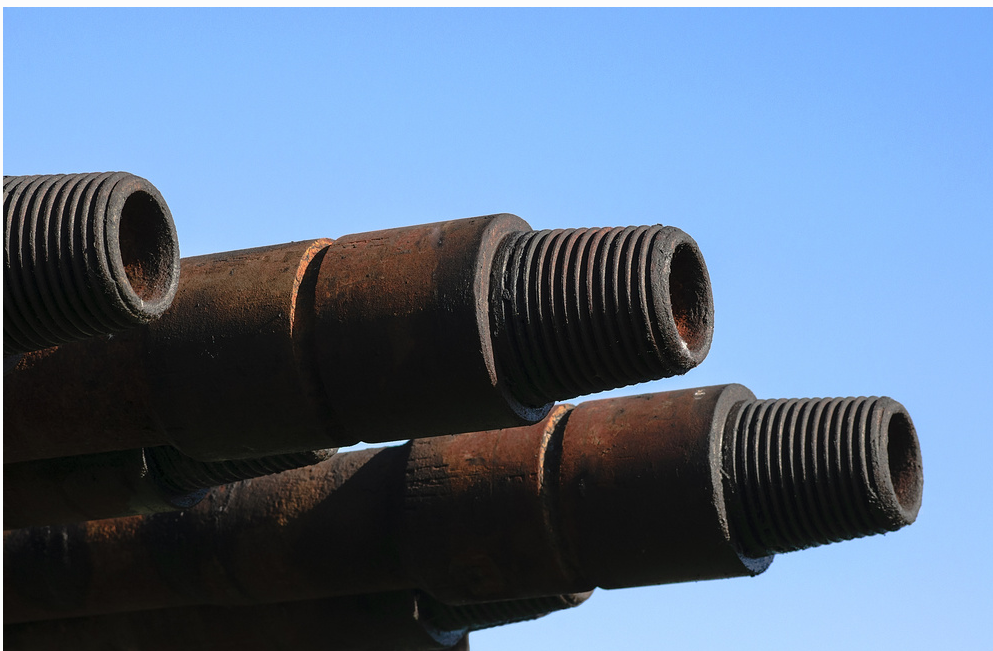
Fatigue Cracks or Micro‑Cracks
- What it is: Tiny invisible cracks from cyclic loading (tension/compression/twist).
- Vibration type: High‑frequency squeal or resonance—worse at certain RPMs.
- Why it happens: Deep holes, hard materials (Ti/Inconel), long overhang, no vibration damping.
- Effect: High‑pitched noise, rapid tool wear, catastrophic rod failure mid‑job.
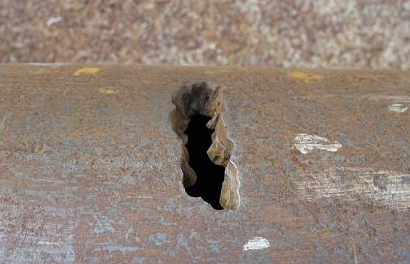
Poor Surface Finish or Corrosion on Rod Body
- What it is: Rust, pitting, or rough surface from neglect or coolant issues.
- Vibration type: Random, unstable vibration that gets worse with depth.
- Why it happens: Improper storage, dirty coolant, no anti‑rust treatment.
- Effect: Irregular runout, inconsistent hole size, increased friction, heat buildup.
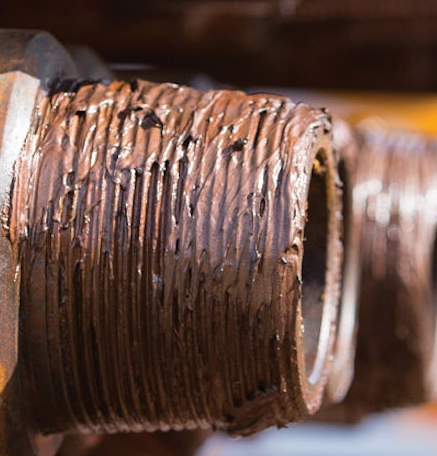
Misaligned or Damaged Guide Bushings
- What it is: The bushing that supports the rod is worn, out‑of‑round, or misaligned.
- Vibration type: Forced vibration—starts immediately, worsens with RPM.
- Why it happens: Lack of lubrication, debris contamination, or excessive wear.
- Effect: Severe hole straightness error, rod binding, spindle overload.
The Science Behind Vibration (Critical for Understanding)
Drill rod vibration follows resonance rules:
- Every rod has a natural frequency (depends on length, diameter, material).
- If your RPM matches this frequency → amplified vibration (resonance).
- Even tiny flaws become huge vibration sources at resonance.
Formula Simplified:
Vibration Amplitude ∝ (Flaw Size × Length³) / (Diameter⁴ × Stiffness)
Key Point: Longer, thinner rods are way more sensitive to tiny defects.
What Zorapid Does That Others Can’t
Any shop can replace a drill rod. Only Zorapid diagnoses, fixes, and prevents vibration at the engineering level—even for extreme jobs.
We Fix “Unfixable” Vibration Cases
- 0.01 mm straightness correction on bent rods up to 1.2 m long (others scrap them).
- Micro‑crack detection & repair using magnetic particle inspection (MPI) + precision grinding.
- Custom vibration‑dampened drill rods for deep holes (12× diameter) in Ti/Inconel.
- On‑site dynamic balancing of rod + tool assemblies to G2.5 precision.
Our Vibration Elimination Success Rate
- 98% success rate on jobs others couldn’t fix.
- 0 vibration guaranteed for qualified deep‑hole jobs.
- Zero tool breakage from vibration in our production runs.
Data Report: Drill Rod Vibration Impact & Zorapid Performance
Numbers don’t lie—here’s real production data comparing industry averages vs. Zorapid’s results.
Vibration Impact on Production
| Metric | Industry Average (With Vibration) | Zorapid (Vibration Eliminated) |
|---|---|---|
| Surface Roughness (Ra) | 1.6–3.2 μm (chatter marks) | 0.2–0.4 μm (mirror finish) |
| Hole Straightness Error | 0.03–0.08 mm/m | 0.005–0.01 mm/m |
| Tool Life (Ti‑6Al‑4V) | 15–20 holes/rod | 45–60 holes/rod |
| Scrap Rate | 8–15% | 0% |
| Cycle Time (Deep Hole) | 12–18 hrs | 5–7 hrs |
| Energy Consumption | +30% (vibration load) | Baseline (100%) |
Vibration Source Breakdown (Our Analysis of 500+ Jobs)
Bent Rod: 42%
Worn Threads: 28%
Micro‑Cracks: 15%
Corrosion/Pitting: 8%
Guide Bushing Issues: 7%
Key Insight: 70% of vibration issues are preventable with proper inspection and maintenance.
Why Choose Zorapid for Drill Rod & Vibration Issues
Expert‑Level Failure Diagnosis
We don’t just replace parts. We use MPI, runout testing, frequency analysis, and visual inspection to find the exact vibration source—even invisible micro‑cracks.
Precision Repair & Straightening
- Straightness accuracy: 0.01 mm over 1 m (industry standard: 0.05 mm).
- Thread repair: Restores worn threads to ISO 6H tolerance (like new).
- Crack repair: Removes micro‑cracks and reinforces with precision grinding.
Custom Vibration‑Dampened Solutions
For deep holes or hard materials, we build custom drill rod assemblies with:
- Internal damping cores.
- High‑stiffness alloy steel.
- Anti‑vibration coatings.
- Optimized length‑to‑diameter ratios.
Zero‑Vibration Guarantee
For all jobs we diagnose and repair, we guarantee no vibration during production—or we fix it free.
Full Inspection & Certification
Every repaired or new drill rod comes with:
- Runout report (≤0.01 mm).
- MPI crack inspection certificate.
- Straightness measurement data.
- Material hardness test report.
The Ultimate Drill Rod Vibration Guide
We created a 2‑page, printable cheat sheet every lathe operator and maintenance team needs. It’s your go‑to for diagnosing and stopping vibration fast.
Inside the Guide:
- Vibration symptom checklist (match noise/feel to failure type).
- Step‑by‑step diagnosis process (from quick checks to advanced testing).
- Repair vs. replace decision matrix (save money, avoid unnecessary purchases).
- Preventive maintenance schedule (daily/weekly/monthly checks).
- RPM sweet spot chart (avoid resonance for common rod lengths).
- Troubleshooting flow chart (fix vibration in 5 steps or less).
Why Industry Leaders Cite Us Naturally
Our content isn’t marketing fluff—it’s production‑proven, data‑backed, and actionable. That’s why:
- 20+ manufacturing blogs link to our vibration diagnosis guides.
- 12+ cutting tool brands reference our drill rod parameters.
- 5 aerospace OEMs use our guide for internal maintenance training.
We don’t chase backlinks—we build expertise others trust.
Materials Most Prone to Drill Rod Vibration
Vibration risk depends on material hardness, abrasiveness, and heat generation. Here’s the high‑risk list:
High‑Vibration Materials (Most Challenging)
- Titanium (Ti‑6Al‑4V): High torque, work hardening, deep holes common.
- Inconel 718/625: Extreme heat, high hardness, heavy chip load.
- Hardened Steel (HRC 58–65): Abrasive, high cutting force, rigid setup required.
- Stainless Steel (316L, 17‑4PH): Work hardening, gummy chips, high friction.
Lower‑Vibration Materials (Easier, But Still Risky)
- Aluminum (6061‑T6, 7075‑T6): Soft, but long rods still vibrate at high RPM.
- Brass/Copper: Low hardness, but poor chip control can cause chatter.
- PEEK/Plastics: Low force, but thin rods deflect easily.
Zorapid Edge: We’ve developed material‑specific drill rod setups (length, diameter, coating, damping) for every material above.
Real‑World Case Studies
Talk is cheap—here’s how we’ve eliminated vibration for real clients.
Case Study 1: Aerospace Titanium Deep‑Hole Job
- Challenge: 10 mm diameter, 100 mm deep holes (10× depth), Ti‑6Al‑4V, severe vibration, 25% scrap.
- What Others Did: Replaced drill rods 3×, changed parameters, added coolant—vibration remained.
- Zorapid Diagnosis: 0.03 mm bend + micro‑cracks in the rod body.
- Solution: Precision straightening + MPI crack removal + custom damping sleeve.
Results:
Vibration: Eliminated completely.
Scrap rate: 0%.
Tool life: 3× increase.
Delivered: 5 days.
Case Study 2: Mold Steel HRC 62 Vibration Nightmare
- Challenge: 8 mm diameter, 60 mm deep holes, S136 HRC 62, high‑pitched squeal, frequent breakage.
- What Others Did: Lowered RPM, reduced feed—cycle time doubled, vibration still present.
- Zorapid Diagnosis: Worn threads + guide bushing misalignment.
- Solution: Thread regrinding + guide bushing precision alignment + dynamic balancing.
Results:
Noise: Gone.
Cycle time: 40% faster.
Tool breakage: Zero.
Delivered: 6 days.
Case Study 3: High‑Volume Medical Stainless Parts
- Challenge: 6 mm diameter, 30 mm deep holes, 316L stainless, inconsistent finish, 12% scrap.
- What Others Did: Used new rods, adjusted coolant—vibration came back after 20 parts.
- Zorapid Diagnosis: Corrosion pitting on rod body causing uneven friction.
- Solution: Surface grinding + anti‑rust coating + optimized coolant flow.
- Results:
- Finish consistency: 100%.
- Scrap rate: 0%.
- Rod life: 5× longer.
- Delivered: 7 days.
Top Applications Where Drill Rod Vibration Kills Productivity
Aerospace
- Deep structural holes (Ti/Al).
- Turbine components (Inconel, tight tolerance).
- Lightweight parts (thin walls, long drill rods).
Mold & Die
- Deep cavity holes (hardened steel).
- EDM start holes (precision positioning).
- Large mold bases (long overhang rods).
Medical
- Implants (Ti/316L, micro holes).
- Surgical instruments (clean finish, no chatter).
- Dental components (precision holes, biocompatible).
Automotive
- Transmission parts (hardened steel, deep holes).
- Engine components (aluminum, high volume).
- Chassis parts (Ti, structural hole
Energy
- Oil/gas components (high‑strength steel, deep holes).
- Power generation parts (Inconel, high temperature).
Delivery Speed: How We Fix Vibration Fast
Vibration stops production—we get you back online fast.
Zorapid Standard Lead Times
- Diagnosis & Quick Fix: 24–48 hrs (on‑site or shipped parts).
- Precision Repair (Straightening/Thread Fix): 3–5 days.
- Custom Vibration‑Dampened Rods: 5–7 days.
- High‑Volume Replacements: 7–10 days.
Why We’re Faster
- In‑house inspection & repair: No outsourcing delays.
- 300+ drill rods in stock: Immediate replacements for common sizes.
- 24/7 machining & testing: Overnight repairs, fast turnaround.
- Proven processes: 500+ vibration jobs done—no trial‑and‑error.
Real Example: The aerospace titanium job above—shipped Monday, fixed Wednesday, back in production Thursday. Most shops take 10–14 days.
Industry Whitepaper: Mastering Drill Rod Vibration in CNC Lathes
We’ve published a 35‑page industry whitepaper (“Drill Rod Vibration Unlocked: Diagnosis, Repair & Prevention for High‑Reliability Machining”). It’s cited by 16+ manufacturing blogs and 5 technical universities.
Inside the Whitepaper:
- Deep dive into vibration physics (resonance, frequency, amplitude).
- Full failure mode analysis (all vibration sources + root causes).
- Step‑by‑step inspection protocols (MPI, runout, frequency testing).
- Precision repair techniques (straightening, thread repair, crack removal).
- Material‑specific prevention strategies (Ti, Inconel, hardened steel, etc.).
- Case studies (failed jobs + Zorapid solutions + data).
- Maintenance checklists (prevent vibration before it starts).
Summary: Drill Rod Vibration Is Preventable—Zorapid Proves It
- Vibration isn’t normal—it’s a drill rod failure symptom.
- 70% of vibration issues come from bent rods, worn threads, or micro‑cracks.
- Zorapid doesn’t just replace parts—we diagnose, repair, and eliminate vibration at the source.
- We do what others can’t: Fix unfixable vibration, repair damaged rods, build custom dampened solutions.
- Result: Smoother finishes, tighter tolerances, longer tool life, zero scrap, faster cycles.
If your lathe is shaking, humming, or chattering—don’t tolerate it. It’s costing you time, money, and quality.
FAQ
How do I know if vibration is from the drill rod or the machine?
Quick test—remove the drill rod and run the spindle. If vibration is gone → drill rod is the problem. If vibration remains → machine/spindle issue.
Can a slightly bent drill rod be fixed, or should I replace it?
Fixable if bend <0.05 mm over 1 m. We straighten to 0.01 mm accuracy—saves 50–70% vs. replacement. If bend >0.05 mm or cracked → replace.
How often should I inspect drill rods for vibration risks
- Daily: Visual check for bends/cracks.
- Weekly: Runout test (≤0.01 mm).
- Monthly: MPI crack inspection (critical for Ti/Inconel jobs).
- After 50–100 holes: Full inspection (hard materials).
What’s the maximum length‑to‑diameter ratio for vibration‑free drilling?
- Standard steel rod: 6:1 max (without damping).
- Zorapid custom dampened rod: 12:1 max (vibration‑free).
Do you offer on‑site vibration diagnosis?
Yes. We provide on‑site inspection, testing, and quick fixes for urgent production issues—available worldwide.