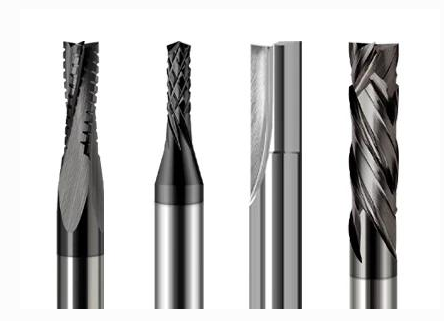
If you’re a CNC machinist, shop owner, or manufacturing engineer, you know one truth better than anyone:The right end mill makes or breaks your entire job.
Pick the wrong tool, and you’re looking at poor surface finishes, broken cutters, burned material, slow cycle times, and scrapped parts. Pick the right one, and your machine runs smoother, your tool life skyrockets, and your profit margins stay healthy.
Most generic end mill guides only scratch the surface. Today, we’re breaking down exactly how to select the best end mill for every material, application, and tough machining challenge—including the hard-to-machine jobs most suppliers refuse to take on.
We’ll cover industry trends, material-specific tooling rules, real machining cases, application scenarios, fast delivery advantages, and why Zorapid stands out in the competitive precision tooling market.
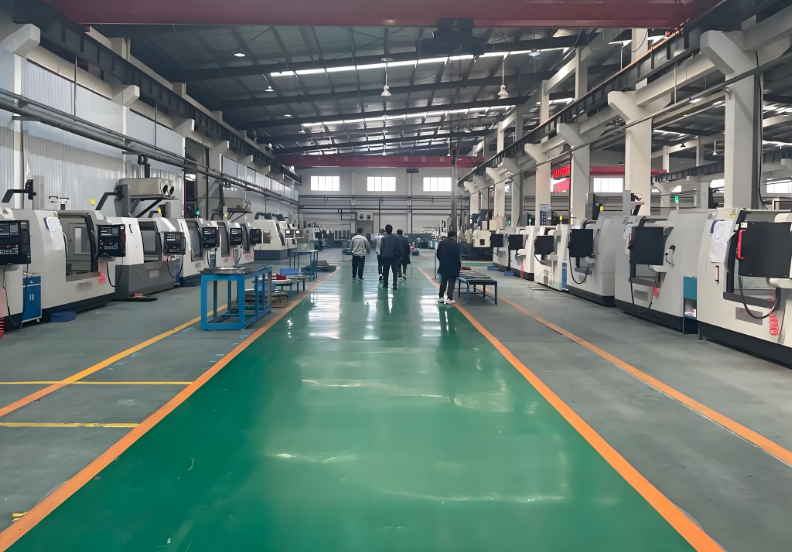
Modern CNC Machining Industry Analysis (Full Breakdown)
The global precision machining industry is evolving fast, and tooling requirements have changed drastically over the past 3–5 years. For EU and US manufacturing shops, three trends dominate daily production:
Higher precision demands with tighter tolerances
Aerospace, automotive, medical, and mold industries now routinely require±0.005mm tolerance accuracy. Standard off-the-shelf end mills can’t hold consistent precision during long-run mass production. Most budget tools suffer from runout errors, edge wear, and vibration after just a few hours of cutting, leading to dimensional drift and defective parts.
Difficult-to-material processing is mainstream
More shops are moving beyond regular aluminum and mild steel. Titanium alloys, stainless steel (304/316), hardened steel (HRC 45–60), copper alloys, and high-temperature nickel alloys are now standard job materials. These materials generate massive cutting heat, severe tool friction, and chip clogging issues—challenges generic end mills cannot solve.
Higher efficiency + lower cost pressure
Western manufacturing shops face rising labor and machine costs. The old “slow and safe” machining method is no longer profitable. Manufacturers need end mills that support higher feed rates, higher spindle speeds, and longer tool life to reduce tool change frequency and machine downtime.
Short lead time & customized tooling demand
Custom mold parts and low-volume high-precision orders are growing rapidly. Many standard tool suppliers only provide fixed-size products with 2–4 week delivery times, which cannot match fast-paced prototype and small-batch production needs.
Tough Machining Challenges Others Can’t Handle (Zorapid Exclusive Solutions)
A lot of tooling suppliers only handle easy, standard cutting jobs. When jobs get tough, most will tell you “it’s impossible” or “needs multiple processes”. At Zorapid, we specialize in the difficult machining scenarios competitors avoid.
Ultra-hardened steel continuous milling (HRC 55–62)
Most common end mills chip or burn out within minutes when cutting HRC 55+ hardened steel. Poor coating heat resistance and weak edge rigidity cause rapid wear and catastrophic failure. Our customized micro-grain carbide end mills adopt ultra-fine grain substrate + multi-layer nano coating, maintaining stable cutting for hours without edge chipping or tool burning.
Deep cavity long-reach precision milling
Deep groove and deep cavity processing requires long-flute tools. Ordinary long-reach end mills vibrate severely, resulting in terrible surface finish and dimension deviation. Zorapid anti-vibration variable helix end mills eliminate resonance effectively, ensuring consistent precision for deep cavity finishing.
Stainless steel & titanium anti-adhesion processing
Stainless steel and titanium are prone to built-up edge (BUE), chip adhesion, and work hardening. Generic tools cause sticky chips, scratched surfaces, and frequent tool replacement. Our specialized flute groove design and low-friction coating perfectly solve chip clogging and adhesion problems.
High-precision tiny micro-tool machining
Micro end mills below 1mm diameter are extremely fragile. Most manufacturers cannot guarantee concentricity and uniformity. Zorapid’s ultra-precision grinding process controls runout ≤0.003mm, enabling stable micro-hole and micro-groove precision processing.
Complete Material Matching Guide: Choose End Mills by Workpiece Material
Rule of end mill selection: Material first, parameters second. The best tool geometry, flute count, and coating all depend entirely on what material you’re cutting. Below is our 100% practical material matching cheat sheet for machinists.
Aluminum & Non-Ferrous Alloys
Recommended specs: 2-flute / 3-flute, large flute gap, polished flute surface, DLC or no coating
Aluminum produces long, stringy chips that clog standard 4-flute tools. Large chip room ensures smooth chip evacuation, polished flute prevents adhesion, and high helix angle delivers mirror surface finish.
Mild Steel & Carbon Steel (HRC 20–35)
Recommended specs: 4-flute standard, TiAlN coating, 30° helix
Balanced rigidity and chip removal, perfect for general roughing and finishing, stable for long-run production.
Stainless Steel 304/316
Recommended specs: 3-flute / 4-flute variable helix, AlCrN high-temperature coating
Variable helix design eliminates vibration, high-temperature resistant coating resists work hardening and built-up edge.
Hardened Steel (HRC 45–62)
Recommended specs: 4–6 flutes, ultra-fine grain carbide, nano multi-layer coating, corner radius protection
High rigidity body and heat-resistant coating resist extreme cutting heat, corner protection avoids edge chipping during heavy cutting.
Titanium Alloy & Nickel-Based Alloy
Recommended specs: Special anti-vibration geometry, thick core diameter, high-pressure coolant compatible
Solves high-temperature hard cutting and work hardening problems, greatly extending tool life.
Plastic, Acrylic & Wood Composites
Recommended specs: Single/double flute sharp edge, anti-friction coating
No burrs, no melting edge, clean cutting finish for soft composite materials.
Real Machining Case Studies
Theory means nothing without real workshop results. Here are 3 typical successful cases from our EU and US clients.
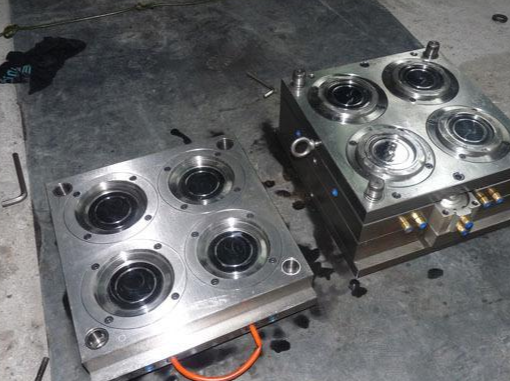
Case 1: US Mold Shop – HRC 58 Hardened Steel Mold Processing
Problem: Client used standard 4-flute end mills, tool failed every 40 minutes, frequent replacement, low efficiency, poor cavity surface finish.
Zorapid Solution: Custom 5-flute high-hardness end mill with nano coating
Result: Single tool life extended to 4 hours, tool change frequency reduced by 80%, surface roughness Ra ≤0.8μm, no manual polishing needed.
Case 2: EU Aerospace Factory – Titanium Alloy Parts Milling
Problem: Titanium work hardening caused severe tool wear, part dimensional instability, high scrap rate.
Zorapid Solution: Special titanium alloy anti-vibration end mill
Result: Cutting stability improved significantly, scrap rate dropped from 12% to 1.5%, production efficiency increased by 35%.
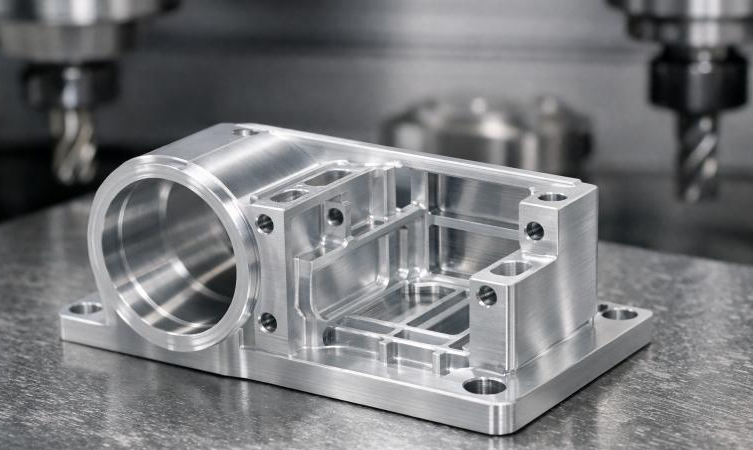
Case 3: Precision Medical Parts – Aluminum Micro Groove Machining
Problem: Micro groove tool runout caused uneven groove width, defective rate high.
Zorapid Solution: Ultra-precision micro 2-flute end mill (runout ≤0.003mm)
Result: 100% qualified rate for micro parts, stable mass production achieved.
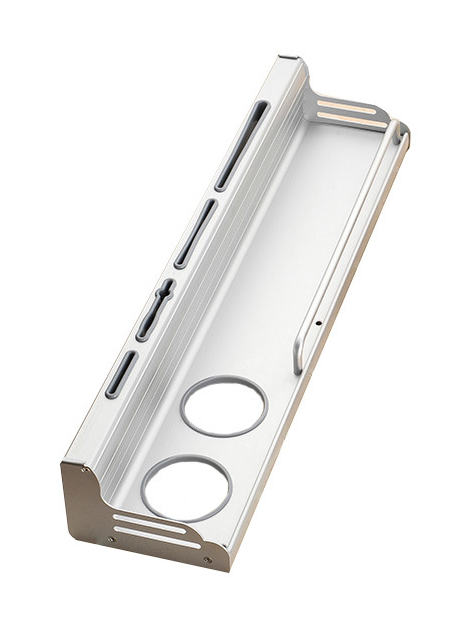
Wide Application Scenarios of Zorapid End Mills
Our end mills are engineered to fit almost all precision machining scenarios, covering mainstream high-end manufacturing fields in Europe and America:
- Mold & Die Manufacturing: Hardened steel mold cavity, core processing, roughing & finishing integrated
- Aerospace & Aviation: Titanium alloy, aluminum structural parts, high-precision hole and groove processing
- Medical Device Machining: Stainless steel instrument parts, micro-precision components
- Automotive Precision Parts: Engine parts, mold parts, aluminum alloy shell processing
- 3C Electronic Precision Milling: Thin-wall parts, micro-groove, high-gloss surface finishing
- General Mechanical Processing: Carbon steel, stainless steel batch production, efficient roughing
No matter simple conventional cutting or ultra-difficult high-precision hard cutting, Zorapid has matched tooling solutions.
Industry-Leading Fast Delivery & Service Efficiency
We know the biggest pain point for Western machining shops: Waiting for tooling delays your entire production schedule.
Most precision tool suppliers take 2–3 weeks for standard orders and 4+ weeks for customized tools. At Zorapid, we completely redefine delivery efficiency:
- Standard end mills: Sufficient in-stock inventory, ship within 24 hours
- Conventional customized size tools: 3–5 working days delivery
- Special geometric & special coating customized tools: 7–10 working days fast delivery
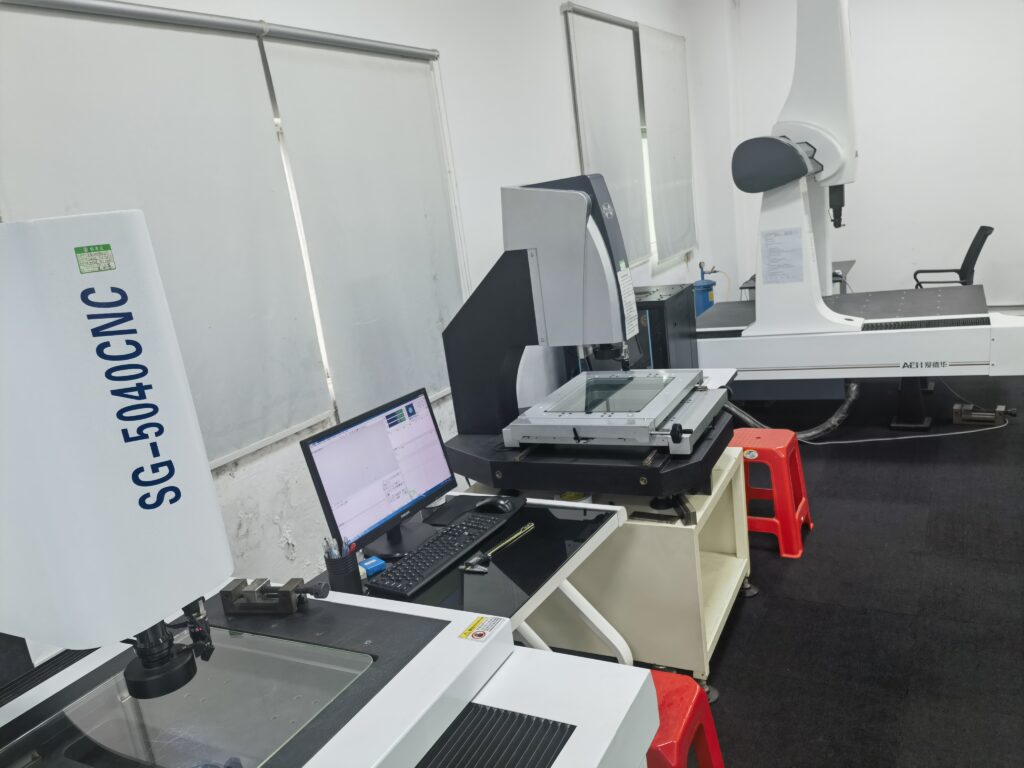
We have mature production lines and strict finished product inspection mechanisms. Fast delivery never means compromised quality. Every tool is strictly tested for runout, hardness, and surface finish before shipment, ensuring zero defective delivery.
Why Choose Zorapid End Mills? Core Advantages
After comparing hundreds of tool brands, more and more European and American machining shops choose Zorapid for 6 core reasons:
Strict raw material control
We adopt imported ultra-fine grain carbide blank, with higher hardness, better toughness, and stronger wear resistance than ordinary materials, avoiding tool breakage and rapid wear.
High-precision German grinding technology
Precision grinding equipment ensures tool runout ≤0.003mm, far beyond the industry standard, guaranteeing high-precision processing requirements.
High-performance nano coating
Multi-layer nano coating improves high-temperature resistance, wear resistance, and anti-adhesion ability, effectively extending tool life by 30%–120% compared with ordinary tools.
Customized one-stop solution
We support personalized customization of flute shape, helix angle, coating, corner radius, and total length, solving all kinds of non-standard difficult machining problems for clients.
Stable mass production quality
Strict QC full inspection process, consistent tool precision and performance in batch orders, no quality fluctuation.
Professional after-sales technical support
We provide free machining parameter guidance, tool selection suggestions, and problem-solving support, helping clients improve efficiency and reduce costs continuously.
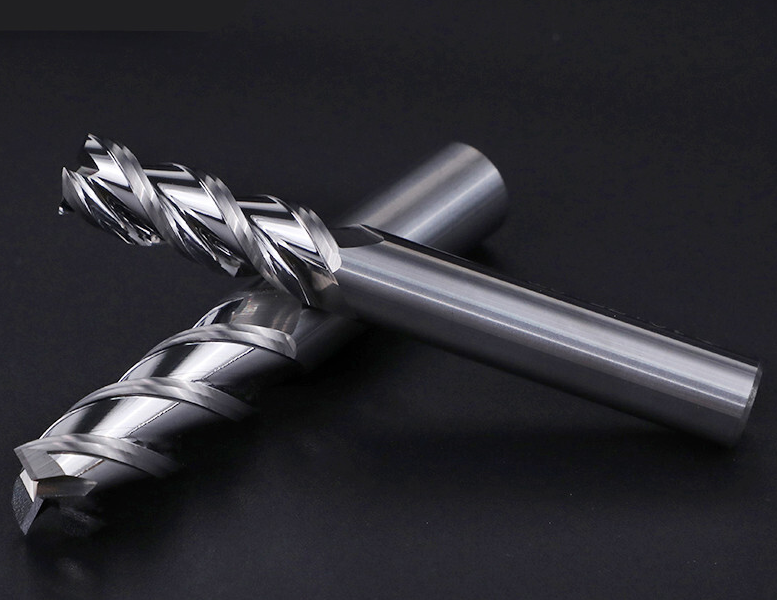
Final Summary: How to Pick Your Ideal End Mill
To wrap up this complete guide, here is your simple, actionable end mill selection logic:
1:Confirm workpiece material — Match flute count and coating according to material hardness and chip characteristics
2: Confirm processing type — Roughing chooses large chip space, finishing chooses high-rigidity multi-flute tool
3:Confirm precision requirement — High-precision jobs need low-runout ultra-fine grain tools
4:Choose professional supplier — Pick Zorapid for difficult machining, stable quality, fast delivery, and full technical support
The right end mill is not the most expensive one, but the one that perfectly matches your material, machine, and process. Zorapid always provides the most cost-effective and efficient tooling solution for every machining job.
FAQ – Most Common End Mill Selection & Machining Questions
We sorted out the most frequent questions from our global clients to help you avoid tooling mistakes:
More flutes mean better cutting performance?
No. More flutes improve rigidity and surface finish but reduce chip space. Soft materials like aluminum need fewer flutes for smooth chip evacuation; hard materials need more flutes for higher rigidity.
Is coated end mill always better than uncoated?
No. Aluminum processing is suitable for uncoated or DLC polished coating to avoid chip adhesion. Steel and hard materials must use high-temperature resistant coatings.
Why do my end mills keep breaking during hard steel cutting?
Main reasons: improper tool selection, unreasonable cutting parameters, excessive feed speed, or poor tool rigidity. Switch to high-hardness special end mills and optimize speed/feed parameters to solve the problem.
Can customized end mills achieve the same precision as standard ones?
Yes. Zorapid’s customized tools adopt the same precision production and inspection standards as standard tools, with completely consistent precision and performance.
How to extend end mill service life?
Match tool geometry with material, use reasonable cooling methods, avoid over-cutting, and choose high-quality coated tools. Proper tool clamping and runout control are also critical.
Final Words
End mill selection doesn’t have to be complicated or trial-and-error. With clear material matching rules, professional process analysis, and reliable high-performance tools, you can eliminate tool failure, reduce scrap rates, and boost your shop’s profitability easily.
If you have any tough machining problems or customized tooling demands,Zorapid is always your most reliable partner for precision end mill solutions.