Published:Zorapid.Ltd
Core Process Overview (LSR – Liquid Silicone Rubber Molding)
What is LSR Molding
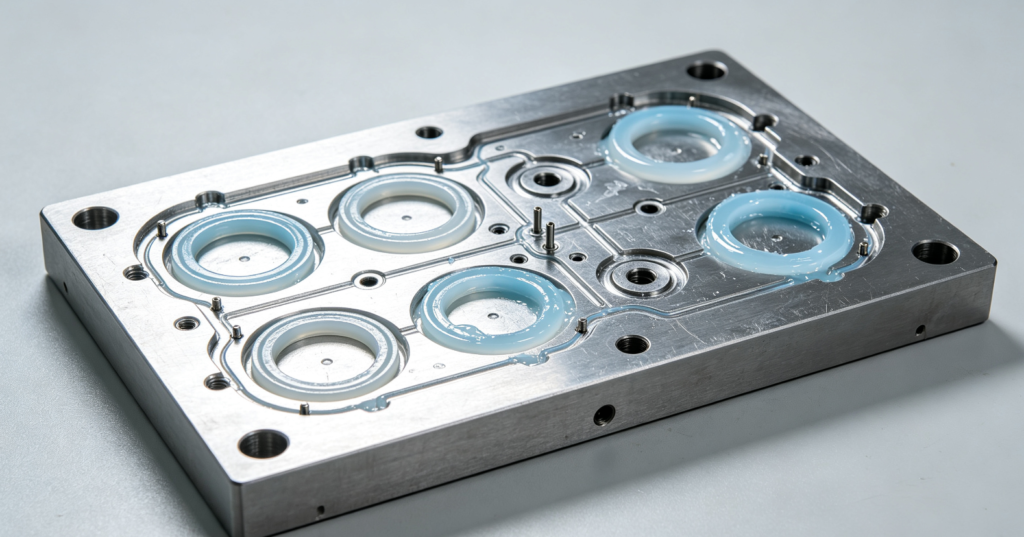
Liquid Silicone Rubber (LSR) = two-part, platinum-cured liquid silicone system (base + catalyst), processed via liquid injection molding (LIM) – metered, mixed, injected cold into a heated mold, rapidly cured, automated ejection, no post-vulcanization (peroxide cure = avoided for medical grades).

- Contrast: HCR (High Consistency Rubber) solid silicone (hot press compression molding, longer cycles, manual trimming, less precision)
- Primary Applications
- Medical: Implantable/non-implantable seals, catheter gaskets, valve diaphragms, syringe gaskets, IV connectors, surgical instrument seals, implant port gaskets, peristaltic pump tubing seals
- Industrial: Automotive gaskets, EV battery seals, fluid valve gaskets, food & beverage seals, HVAC gaskets, vacuum/pump seals, consumer appliance gaskets
- Core LSR Properties: Broad temperature range (-60°C to +200°C+), biocompatibility, low compression set, chemical resistance, excellent elastomeric recovery, transparency, sterilization compatibility (gamma, ETO, autoclave, steam), low extractables
- Key Differentiator: Precision micro-gasket geometry, consistent cross-section, flash-free design, high-volume automated cycles, cleanroom capable
LSR Molding Machine Basics
- Specialized LSR injection systems: 2-component metering pumps, static mixer, cold runner system (prevent premature cure in runners), screw/injection barrel chilled (keeps LSR uncured before mold entry)
- Mold: Heated mold (160–180°C typical) for rapid platinum cure; cold runner gating (direct pin gating, sub-gating) to eliminate waste sprue
- Cleanroom Config: ISO 7 / ISO 6 cleanroom injection presses for medical implant/fluid contact components
LSR Material Grades & Key Specifications
Medical Grade LSR (Critical Specs)
- Non-Implanted Short-Term (ISO 10993):
- General medical fluid contact, IV seals, catheters, disposable gaskets
- Specs: ISO 10993 (cytotoxicity, sensitization, irritation), USP Class VI, RoHS, no toxic additives, low extractables/leachables
- Cure System: platinum cure only (no peroxide cure, no residual peroxides/byproducts)
- Durometer: Shore A 30–70 (common: 40/50A for general sealing)
- Long-Term / Permanent Implant Grade LSR:
- Cardiac device seals, chronic implant port gaskets
- Specs: ISO 10993 long-term biocompatibility, chronic toxicity, hemocompatibility, MRI compatibility, ISO 13485 traceability, USP Class VI, validated ultra-low extractable formulations
- Extrusion testing, accelerated aging, fatigue cycling validation
- Not standard industrial LSR; dedicated medical formulations only
- Industrial Grade LSR:
- General gaskets, HVAC, consumer, automotive non-fluid-critical seals
- Specs: ASTM D2000, SAE J200, AMS, food-grade (FDA 21 CFR 177.2600), weather/UV/oil resistance
- Special variants: flame retardant LSR, conductive ESD LSR, colored LSR, high-temperature LSR, oil-resistant modified LSR
- Durometer range: Shore A 10 (ultra-soft) up to 90A, also Shore 00 soft grades for micro-seals
- Key Material Performance Tests
- Compression Set (ASTM D395): Critical for long-term sealing (<10% typical for premium LSR)
- Tensile/elongation (ASTM D412), tear strength (ASTM D624)
- Accelerated aging, fluid resistance (saline, IPA, oil, disinfectants)
- Sterilization cycle validation (gamma, autoclave, ETO) – confirm no degradation, no extractable migration
LSR Injection Molding Process Basics
Standard LSR Workflow
- Metering: A/B LSR components pumped in fixed 1:1 ratio via precision metering system
- Mixing: Static mixer homogenizes A+B silicone; inline check for ratio variation (critical for cure consistency)
- Cold Runner Delivery: Chilled manifold/runners prevent premature cross-linking (scorch/cure in feed system)
- Injection: Inject mixed LSR through pinpoint cold runner gates into heated mold cavities
- Cure: Mold heated (160–180°C), rapid platinum cross-link cure (seconds vs minutes for HCR compression molding)
- Ejection: Automated ejector pins, robotic demolding (minimize manual handling for medical grades)
- Post-Cure (if required): Post-bake (150°C, 2–4hrs) for medical ultra-low extractable grades, remove residual volatiles
- Inspection / Packaging: Cleanroom inspection, sterilization validation, ESD/medical clean packaging
Core Process Risks
- Premature Cure (Scorch): cold runner failure, high barrel/mixer temperature, incorrect A/B ratio → incomplete fill, defects
- Incomplete Cure: wrong ratio, insufficient mold temperature, short cycle time → sticky surface, high extractables, poor compression set
- Trapped Air/Voids: poor venting, fast fill speed, inconsistent metering → leaky seals, early failure
- Flash: excessive injection pressure, worn mold parting lines, incorrect clamp tonnage → micro-flash, inconsistent sealing geometry
Mold Design & Tooling Requirements
LSR Mold Core Design Rules
- Cold Runner Mold (Mandatory for High-Volume Precision LSR):
- Insulated/chilled cold runner manifold, pinpoint gate / sub-gate / tunnel gate (tiny gate vestige, minimal flash)
- Eliminate large sprues; reduce material waste, reduce secondary trimming
- Separate cold runner system (chilled ~15–25°C) vs heated mold cavities (160–180°C)
- Balanced runner layout for multi-cavity molds to ensure equal fill/cure across all cavities
- Venting Design:
- Fine micro-venting (0.005–0.015mm depth, LSR specific venting), vacuum assist venting (common for micro-gaskets)
- Critical for preventing air traps, voids, burn marks; silicone has very low viscosity, easily flashes through oversize vents
- Mold Materials & Surface Finish:
- P20, H13, S136 stainless tool steel, polished / plated (DLC / chrome) for medical ultra-clean production
- Mirror finish for medical fluid contact surfaces (Ra ≤0.2–0.4μm), validated no micro-pits/extractable contamination
- Non-stick mold coatings (approved medical release coatings; avoid silicone-based release agents for medical LSR)
- Hardened mold surfaces to resist LSR flash, prevent micro-flash generation over cycles
- Ejection & Draft:
- Minimal draft (LSR elastomer demolds easily, very low draft possible), ejector pin layout balanced to avoid seal distortion
- No deep undercuts unless validated core pull/side action design (micro-gaskets typically simple 2-plate cold runner molds)
- Parting line placement: outside primary sealing surfaces (prevent flash on critical seal lip geometry)
- Mold Validation:
- Flow simulation (Moldflow LSR analysis), fill pattern validation, vent validation, first article FAI/PPAP
- Cleanroom mold validation (medical): ultra-sonic cleaning, no residual mold release/contaminants, biocompatible coating validation
DFM Design Rules for LSR Seals & Gaskets
- Cross-Section Geometry:
- Uniform wall thickness (0.3mm minimum typical for micro LSR gaskets; avoid extreme thin/heavy uneven cross-sections → uneven cure, distortion)
- Rounded fillets (R≥0.2mm), avoid sharp corners (stress risers, fatigue failure, flash risk)
- Seal lip geometry: controlled interference profile (finite element seal simulation), validated squeeze/deflection specs
- O-ring style: standard AS568 / ISO 3601 or custom precision micro-profile (validate compression set performance)
- Material Thickness & Durometer Matching:
- Match Shore A durometer to squeeze load: softer grades (30–40A) for low-pressure medical fluid seals; harder (50–70A) for high-pressure industrial gaskets
- Avoid abrupt thickness transitions, add gradual transitions to prevent cure gradients and residual stress
- Overmolding DFM (LSR + rigid substrate – PEEK, PPSU, PC, PEEK, 316L):
- Substrate surface treatment (plasma etching, priming) for LSR bonding; validated medical-grade adhesive systems
- Mask non-bonded areas, design substrate undercuts for mechanical interlock; validate bond peel/leak performance
- Substrate thermal expansion matching, prevent overmold residual stress
- Parting Line DFM:
- Locate parting lines away from primary sealing contact zone; define parting line tolerance clearly on GD&T drawings
- Specify maximum allowable flash height (typically <0.02mm for medical micro-seals)
- Sterilization DFM:
- Avoid deep blind crevices (bioburden risk for medical seals), validate geometry for repeated autoclave/gamma cycles, no hidden fluid traps
- Label non-fluid contact zones only (laser marking, validated medical marking processes)
Key Process Parameters & Quality Control
Core LSR Molding Parameters
- A/B Ratio Control: 1:1 fixed volumetric ratio (primary root cause of cure variation); inline ratio monitoring, regular calibration of metering pumps
- Validate cure via durometer testing, extractable testing, gel check
- Mold Temperature: 160°C–180°C (platinum cure LSR), consistent across mold cavities (hot runner / cold runner thermal mapping)
- Avoid hotspots → discoloration, extractable degradation, over-cure brittleness
- Injection Speed & Pressure: Slow controlled fill, balanced fill to reduce shear stress, prevent flash/air traps; vacuum assist for micro-seal cavities
- Use Moldflow simulation to optimize fill pattern, eliminate air entrapment
- Cure Cycle Time: Based on wall thickness; validate full cure via durometer, compression set testing, extractable analysis
- Medical LSR: post-bake cycle (150°C / 2–4 hours) to reduce volatiles/extractables, then cool to ambient
- SPC & Process Monitoring:
- Monitor cavity pressure, injection profile, A/B ratio, mold temperature, cycle time, durometer, cross-section dimensions
- Cpk ≥1.33 for CTQ seal cross-section, interference dimensions (IATF/ISO13485 regulated programs)
- Gage R&R validation for micro-gasket dimensional inspection
- Batch traceability, MES job records, lot genealogy (ISO13485 medical)
- Accelerated cyclic fatigue, compression set, fluid soak validation for long-life seals
Tolerance & Surface Finish Specs
Dimensional Tolerance
- General LSR Gaskets: ISO 2768-1 medium, ±0.05mm ~ ±0.1mm (standard multi-cavity cold runner molds)
- Precision Micro Medical Seals: ±0.02mm or tighter (controlled cold runner, validated tooling, CMM/optical inspection)
- Key CTQ: cross-sectional diameter, seal lip height, interference profile, flatness, concentricity
- Elastomer measurement note: measure in relaxed state, fixed datum fixture, avoid squeezing during inspection
- Long-term dimensional stability: validate after accelerated aging, sterilization cycles, 24hr soak validation
Surface Finish
- General Industrial LSR: Ra 0.8μm or better, no visible pits, voids, flash, pinholes
- Medical Fluid Contact Surfaces: Ra ≤0.2–0.4μm, mirror polished mold finish, validated no residual mold release, no micro-pores
- 10x magnified visual inspection, SEM validation (critical implant seals)
- No residual silicone release agent / extractable surface contaminants (biocompatibility risk)
- Flash Spec: Medical micro-seals: ≤0.02mm max flash, no manual trimming (automated gate break design preferred to eliminate manual flash trimming contamination risk)
Regulatory Compliance & Validation
Medical Compliance Framework
- ISO 13485 QMS: Full DHF (Device History File), DFM/PFMEA/DFMEA, formal validation protocol, batch traceability, change control (ECO)
- Full biocompatibility testing: ISO 10993 (cytotoxicity, sensitization, irritation, hemocompatibility, chronic toxicity, extractables/leachables)
- USP Class VI, FDA 21 CFR (medical device), EU MDR, CE marking, UDI traceability
- Material master records, validated LSR formulation, lot-specific MTR, no unapproved additives
- Cleanroom Production: ISO 7 / ISO 6 cleanroom (critical fluid/implant seals), periodic particle/bioburden validation, bioburden reduction process
- Sterilization Validation: gamma, ETO, autoclave validation (ISO 11135), residual EO testing, post-sterilization property testing
- Packaging Validation: ISO 11607 medical packaging, barrier validation, shelf-life aging validation
- Industrial Compliance:
- FDA 21 CFR (food contact), RoHS/REACH, SAE AMS, automotive IATF16949, fire/fluid specs (aerospace/energy gaskets)
- PPAP/FAI validation for automotive/regulated industrial gaskets
- Validation Protocol
- FAI first article inspection (AS9102/AIAG PPAP), leak testing (pressure decay, helium leak), cyclic fatigue, accelerated aging, fluid soak testing
- Formal design validation, process validation, software validation (Moldflow, molding process)
- Periodic revalidation after material/tool/process changes (medical devices)
Common Defects & Troubleshooting
1. Voids / Bubbles / Pinholes
- Root: Air entrapment, insufficient venting, fast fill speed, poor vacuum assist, A/B ratio inconsistency, trapped moisture
- Fix: Add micro-vacuum venting, slow fill profiles, validate A/B ratio metering, dry raw LSR material, Moldflow fill simulation
2. Flash / Excess Edge Flash
- Root: Worn mold parting lines, excessive injection pressure, oversized vents, insufficient clamp tonnage, elastomer squeeze-out
- Fix: Refinish mold parting lines, reduce injection pressure, re-spec micro-vents, validate clamp tonnage, cold runner pinpoint gating
3. Sticky / Tacky Surface, Incomplete Cure
- Root: Wrong A/B ratio, insufficient mold temperature, short cure time, contaminated catalyst, peroxide contamination
- Fix: Recalibrate metering pumps, validate mold temperature profile, extend cure cycle, use pure platinum LSR formulation, perform durometer/gel testing
4. Dimensional Distortion / Warpage
- Root: Residual cure stress, uneven mold temperature, demold distortion, post-cure shrinkage, improper post-bake
- Fix: Balanced mold heating, controlled demolding, validated post-bake cycles, fixture cooling, CMM long-term SPC monitoring
5. Discoloration / Yellowing (Medical)
- Root: Over-cure, high heat, contamination, poor formulation, residual volatiles
- Fix: Validate mold temperature, formal post-bake extractable reduction, medical-grade pure LSR formulation, periodic extractable testing
6. Poor Sealing / High Compression Set
- Root: Incorrect durometer, inadequate cure, accelerated aging degradation, wrong interference design
- Fix: Validate compression set (ASTM D395), full cure validation, FEA seal profile simulation, accelerated aging validation
7. Bond Failure (LSR Overmold)
- Root: Unprepared substrate, wrong primer/adhesive, surface contamination, incorrect cure temperature
- Fix: Plasma surface treatment, validated medical primer systems, bond peel testing, formal overmold process validation
Post-Processing & Assembly
Medical LSR Post-Processing
- Gate Break: In-mold automatic gate break (preferred) – eliminate manual trimming (bioburden/contamination risk)
- If trimming required: cleanroom laser micro-trim (no abrasive cutting), avoid manual blade trimming
- Post-Cure Bake (Medical Grades): validated thermal bake cycle to reduce extractables/volatiles; follow LSR material spec
- Followed by: ultra-pure DI water/IPA ultrasonic clean, bioburden reduction, validated rinse cycles
- Inspection: automated vision inspection (voids, flash, dimensional check), 10x magnified visual inspection, leak testing, optical profilometer
- Bioburden testing, endotoxin testing (implant/fluid contact seals)
- Packaging: ISO11607 validated medical barrier packaging, gamma-compatible packaging, nitrogen purge, ESD/cleanroom packaging
- Labeling: UDI, batch/lot number, expiry date, sterilization lot info, traceability ID
Industrial LSR Post-Processing
- Automated flash trimming, cryo-deflashing (validate no surface damage), general visual inspection, leak testing, standard packaging
- Avoid cryo trimming for ultra-precision medical micro-seals (risk micro-cracking, surface damage)
Storage
- LSR finished parts: controlled temperature/dark storage, avoid UV/ozone exposure; track shelf life per material spec, FIFO inventory
- Raw LSR A/B material: refrigerated storage per supplier specs, validate shelf life, avoid contamination
Production & Cost Considerations
Volume Sweet Spot
- High Volume (millions of micro medical seals / gaskets): Cold runner multi-cavity LSR LIM (low per-unit cost, high upfront tooling cost)
- Break-even: ~100k+ parts for dedicated medical cold runner molds
- Low Volume / Custom Prototypes: LSR casting, compression HCR molding, 3D printed molds (not for long-term medical use)
Tooling Cost
- Basic LSR 2-plate cold runner multi-cavity mold: $15k–$50k (industrial)
- Medical validated cleanroom stainless cold runner mold: $50k–$150k (biocompatible coating, validated venting, traceability features)
- Regular mold maintenance, polishing, re-coating schedule for long-term precision
Material Cost
- Medical implant/fluid-grade LSR = premium cost vs general industrial LSR
- Cold runner design drastically reduces LSR material waste (critical for expensive medical LSR grades)
Cycle Time
- Standard LSR cycles: 20–60 seconds (depends on wall thickness), much faster than HCR compression molding
- Cleanroom medical production adds validation/inspection cycle overhead
Quick Checklist
LSR Medical/Industrial Gasket Molding Checklist
LSR Formulation validated (platinum cure only, ISO10993/USP Class VI if medical, A/B ratio 1:1)
Cold runner validated LSR mold, micro-vacuum venting, parting line outside primary seal zones
LSR mold flow simulation + FAI/PPAP validation, CTQ seal cross-section Cpk ≥1.33
Mold temperature profile validated, full cure + medical post-bake (if required), extractable testing
Cleanroom production (medical grades), bioburden/sterilization validation, ISO13485 traceability
Automated vision/leak testing, SPC dimensional monitoring, accelerated compression set/fatigue validation
No silicone release agents on medical fluid contact surfaces, validated surface finish (Ra ≤0.4μm)
Formal DFM seal FEA simulation, interference profile validation, sterilization cycle validation
Full batch MES traceability, DHF documentation, formal ECO change control
Validated packaging (ISO11607 medical), shelf-life aging validation, UDI marking (medical)
FAQ
What is the difference between LSR and HCR silicone gaskets?
LSR = liquid platinum-cured injection molding, cold runner, fast cycles, micro-precision, cleanroom capable, minimal flash. HCR (high consistency rubber) = solid silicone compression molding, longer cycles, manual trimming, poorer dimensional precision, best for low-volume thick gaskets, not micro medical seals.
Can LSR be used for permanent implant medical seals?
Yes, only validated long-term implant-grade platinum LSR with full ISO10993 chronic biocompatibility/extractables validation, ISO13485 QMS, formal DHF documentation; NOT standard general LSR grades.
Why avoid peroxide-cured LSR for medical fluid seals?
Peroxide curing creates residual byproducts, high extractables, biocompatibility risk, accelerated degradation, cannot meet long-term USP/ISO10993 extractable specs; use pure platinum cure LSR only.
What is the biggest LSR micro-gasket failure mode?
Hidden voids/air traps and improper cure (variable A/B ratio) → fluid leakage, bioburden risk, premature compression set failure.
Can I directly laser mark medical LSR seal fluid contact surfaces?
No – laser marking can create micro-pits/extractable contamination on fluid contact zones; mark only non-seal, non-fluid contact regions and validate marking biocompatibility.
How to reduce LSR extractables for medical applications?
Use ultra-pure platinum LSR, formal post-bake thermal cycles, validated ultra-clean mold finish, no mold release agents, periodic extractable/leachable testing per ISO10993.
Is cold runner always required for LSR medical gaskets?
Yes for high-volume precision medical micro-seals: reduces waste, flash, residual material contamination, enables consistent multi-cavity dimensional control; simple small runs may use hot runner/gate designs with formal validation.
Closing Notes
Liquid Silicone Rubber (LSR) injection molding is the primary manufacturing method for high-volume precision medical elastomer seals and industrial micro-gaskets, enabled by cold runner platinum-cure LSR systems and validated cleanroom processes. The core success factors are: pure platinum medical-grade LSR formulation, balanced cold runner mold design, precise A/B metering control, formal biocompatibility/sterilization validation, and long-term compression set/seal performance testing.
- Industrial gaskets: focus on dimensional consistency, compression set, chemical/aging validation, cost efficiency
- Medical fluid/implant seals: prioritize biocompatibility, extractable control, bioburden control, ISO13485 traceability, leak integrity