Published:Zorapid.Ltd
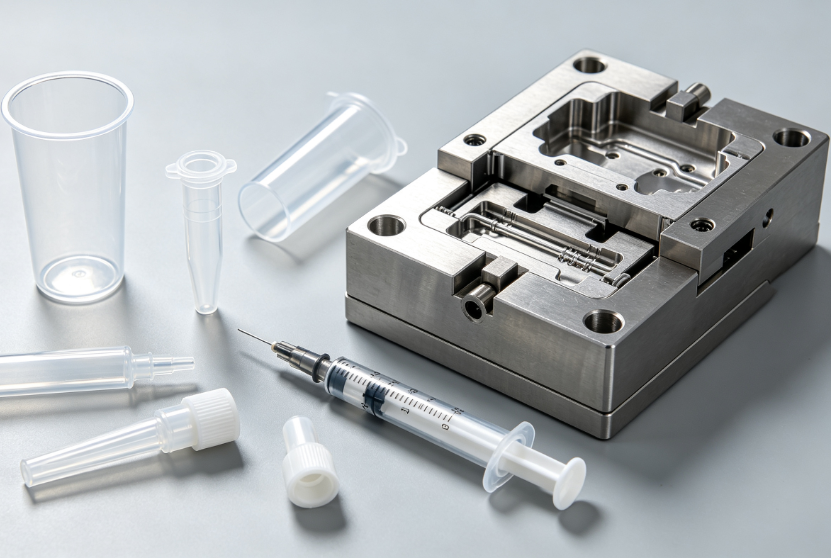
Disposable thin-wall medical components—including syringe barrels, IV connectors, diagnostic test tubes, and medical packaging—are foundational to modern healthcare. These ultra-thin parts (often wall thickness <0.5mm) require strict biocompatibility, high dimensional accuracy, optical clarity, and mass-production repeatability, while complying with ISO 13485, FDA, and ISO 10993 medical standards.
Thin-wall medical molding faces unique core challenges: rapid melt cooling causes incomplete filling (short shots), trapped air creates burns/bubbles, uneven cooling triggers warpage and residual stress, and high-speed injection leads to flash, weld lines, and fragile demolding damage. Combined with medical-grade material constraints and cleanroom production rules, traditional general injection molding methods cannot achieve stable, high-yield production. This blog breaks down key solutions across material selection, precision mold design, equipment upgrades, process optimization, quality control, and cleanroom management.
Medical-Grade Material Selection & Pre-Processing
Material performance directly determines thin-wall formability and medical safety.
- Core Resin Requirements: Low viscosity, high melt flow index (MFI), biocompatible, gamma/ETO sterilization resistant, low extractables, and compliant with medical regulatory certifications. Common options: medical-grade PP, COC/COP, transparent PC, PET, and TPE. These reduce flow resistance during ultra-fast filling and avoid toxic additives.
- PP: widely used for disposable syringes, low cost, good sterilization tolerance
- COC/COP: ultra-transparent, low drug adsorption, ideal for diagnostic consumables
- Medical PC: high rigidity, clarity, for rigid thin-wall medical containers
- Material Pre-Processing: Strict drying to eliminate moisture (prevents splay, bubbles, hydrolysis degradation), controlled regrind ratios (minimize recycled material to avoid impurity risks), and consistent batch quality verification. Uniform melt viscosity is essential for repeatable thin-wall filling.
- Material Modification: Controlled additive modification (nano-fillers, flow modifiers) to improve melt flow, reduce shear stress, and enhance structural integrity without compromising biocompatibility.
Ultra-Precision Medical Mold Design & Manufacturing
Mold design is the backbone of thin-wall medical molding, validated via CAE Moldflow simulation for fill, cooling, warpage, and vent analysis upfront.
- Mold Base & Steel: Corrosion-resistant, high-polish mold steel (S136, NAK80) to ensure surface finish, avoid contamination, and extend multi-cavity mold life; precision alignment systems to maintain tight core-cavity clearances (±0.01mm tolerance) and prevent flash.
- Runner & Gating: Hot runner systems for balanced melt delivery, reduced waste, consistent temperature, and short flow paths; micro-gate designs (pinpoint, film gates) to minimize gate marks, balance filling across multi-cavity layouts, and reduce shear damage to sensitive medical resins.
- Conformal Cooling Channels: 3D printed or precision-machined conformal cooling layouts, enabling uniform mold temperature control (±0.3~1°C fluctuation), minimizing thermal stress, reducing warpage, and shortening cycle time. Independent zonal temperature control for complex thin-wall geometry.
- Micro-Venting System: Fine vent slots (0.015–0.03mm depth) along flow paths to exhaust trapped air, eliminate burn marks, weld lines, and incomplete filling, without causing flash. Add debris trap grooves to reduce contamination risk.
- Gentle Demolding Mechanism: Balanced multi-point ejection systems, optimized draft angles and surface polishing to avoid white marks, cracking, deformation of fragile ultra-thin walls; guided ejection to distribute stress evenly during demolding.
- Cleanroom Mold Construction: Non-corrosive coatings, sealed components, easy disassembly for regular medical-grade cleaning and sanitization.
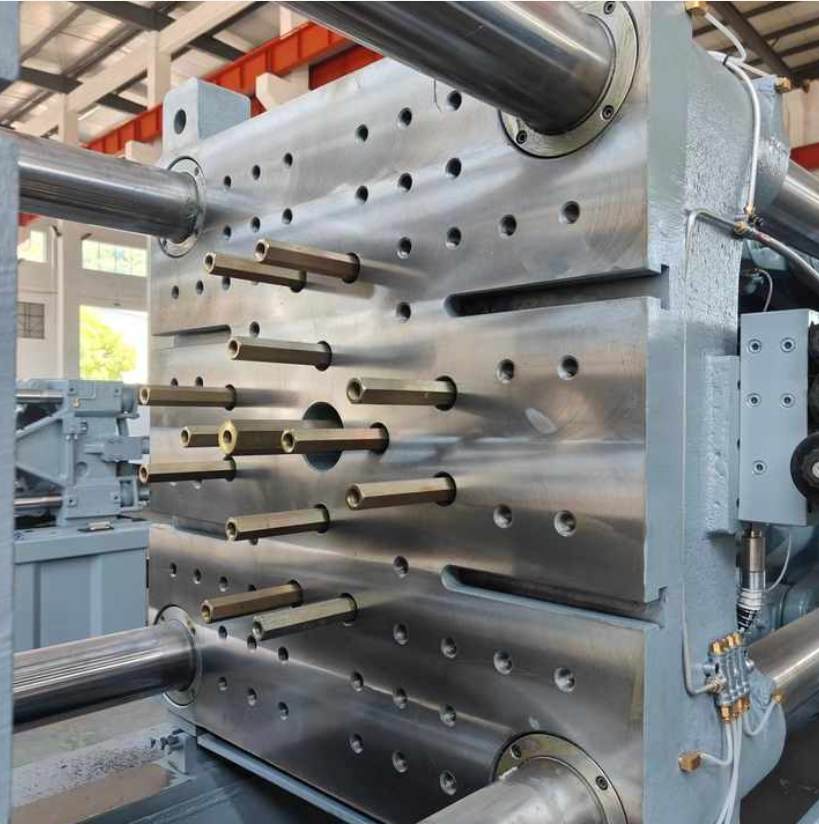
High-Speed Precision Injection Molding Equipment
Standard injection machines cannot deliver the speed, pressure control, and repeatability required for ultra-thin medical molding.
- All-Electric High-Speed Injection Machines: Fast acceleration, closed-loop servo control, high injection speed (400mm/s+), precise pressure/velocity response for rapid filling before melt solidifies. Closed-loop pressure monitoring ensures consistent shot weight across millions of cycles.
- Short fill cycle: complete cavity filling in milliseconds to counter rapid cooling
- Precise holding pressure control: reduce residual stress and shrinkage variation
- Cleanroom-compliant design: low particle emissions, oil-free actuation for ISO 7/8 cleanrooms
- Auxiliary Systems:
- Precision mold temperature controllers (oil/water dual systems) for dynamic mold temperature regulation
- Material dryers, medical-grade robots for automated in-mold handling, reducing human contact and contamination risk
- In-line vision inspection systems for real-time dimensional and defect checking
- Scientific Molding Methodology: Establish consistent pressure-volume-temperature (PVT) process windows, decouple fill/hold/cool phases, and create validated recipe parameters for stable mass production.
Process Optimization & Defect Remediation
Common Defects & Fixes
- Short Shots (Incomplete Filling)
- Root cause: Fast cooling, high viscosity, long flow paths, insufficient venting
- Solutions: Increase injection speed/initial melt temperature, rebalance runners/gates, add micro-vents, use higher MFI resin, dynamic mold heating
- Warpage & Dimensional Drift
- Root cause: Uneven cooling, asymmetric residual stress, improper hold pressure
- Solutions: Conformal cooling, balanced hold pressure profiles, extend controlled cooling time, reduce excessive peak pressure
- Weld Lines, Bubbles & Burn Marks
- Root cause: Poor venting, trapped gas, cold flow fronts, excessive shear heat
- Solutions: Optimize vent layout, adjust fill speed, relocate weld lines to non-critical areas, reduce shear heating
- Demolding Damage, Cracking & Whitening
- Root cause: Residual stress, insufficient draft, uneven ejection
- Solutions: Improve mold polish & draft angles, reduce peak pressure, slow ejection speed, add flexible ejection structure
Advanced Molding Technologies
- Supercritical fluid (SCF) assisted injection molding to reduce melt viscosity and lower residual stress
- Variotherm (dynamic mold temperature) molding: heat mold surface during filling then rapidly cool, improving surface quality and reducing flow marks
- Multi-shot/overmolding for complex thin-wall medical assemblies (e.g., TPE seals + rigid substrate), validated for biocompatibility post-molding
Cleanroom Production & Quality Compliance
Disposable medical molding must follow strict regulatory and contamination controls:
- Cleanroom Environment: ISO 7 / ISO 8 cleanroom workshops, controlled air filtration, temperature/humidity, particle count, and sanitization schedules to prevent microbial and particulate contamination
- Validation & Documentation: Full process validation (IQ/OQ/PQ), batch traceability, material lot records, dimensional metrology (CMM, optical measurement), and biocompatibility testing
- Sterilization Compatibility: Validate finished parts for gamma irradiation, ETO, or autoclave sterilization, checking for discoloration, dimensional shift, or leaching
- Quality Metrics: Track Cpk dimensional capability, reject rate, cycle consistency, and perform regular mold maintenance to sustain high-volume production quality.
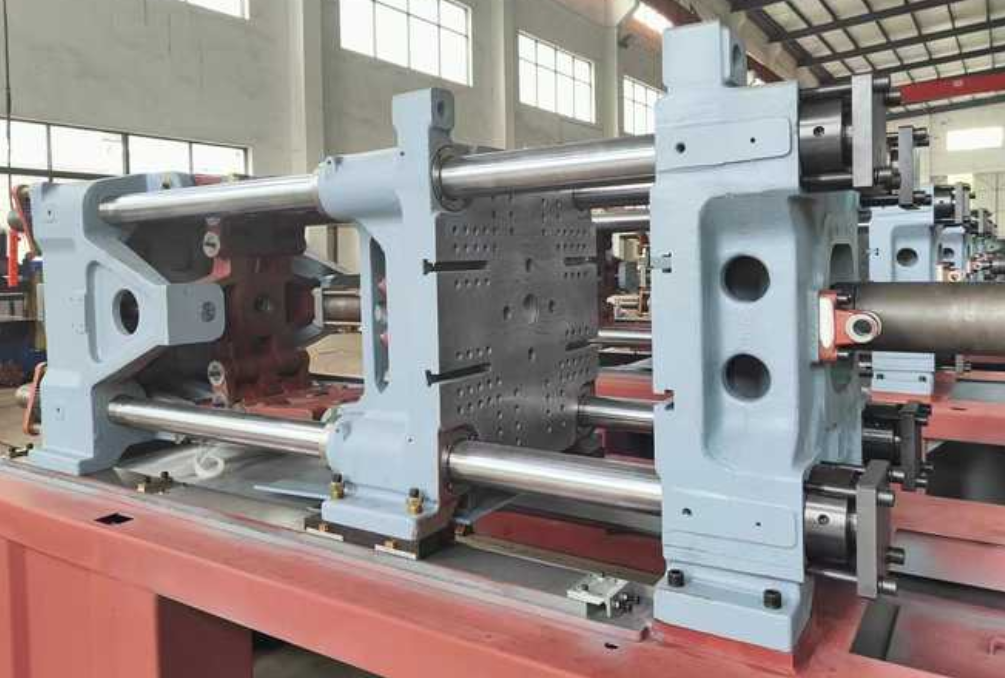
Digital Simulation & Iterative Validation
- CAE Simulation (Moldflow, CFD): Simulate melt flow, pressure distribution, cooling cycles, and warpage early in design, reducing costly rework and prototype cycles. Predict air traps, weld line locations, and residual stress before steel cutting
- Rapid Prototyping & DFM (Design for Manufacturing): Early DFM reviews to simplify thin-wall geometry (add gentle radii, avoid sharp corners), reduce sharp thickness transitions, and balance wall thickness to improve manufacturability
- Data Monitoring & MES Systems: Real-time process data logging, machine learning process monitoring to predict drift and reduce scrap in continuous multi-cavity production.
Sustainability & Cost Optimization
- Hot runner multi-cavity molds cut cold runner waste and reduce material consumption
- Optimize cycle times via conformal cooling and high-speed molding to improve OEE (Overall Equipment Efficiency)
- Validate safe, compliant regrind usage where medical regulations permit
- Modular mold designs for fast changeover across similar disposable product families, reducing tooling investment
Conclusion
Stable thin-wall disposable medical molding is a holistic system solution, not just a single process tweak. The core pillars are: medical-grade low-viscosity materials, ultra-precision validated multi-cavity molds with conformal cooling and micro-venting, all-electric high-speed closed-loop injection equipment, scientific molding process recipes, and validated cleanroom quality management aligned with ISO 13485.
As ultra-thin, microfluidic, and disposable diagnostic devices continue to evolve, ongoing integration of digital simulation, variotherm molding, and automated in-line inspection will further boost yield, consistency, and regulatory compliance. The goal is to balance ultra-thin geometry requirements, medical safety standards, and high-volume cost efficiency for the global disposable medical supply chain.
FAQ
What is thin-wall disposable medical molding?
It’s injection molding for ultra-thin plastic medical single-use parts (e.g., syringes, IV components, pipettes), requiring fast filling, clean materials & precise control.
Main common problems ?
Short shots, flow marks, warpage, brittleness, flash, residual stress, inconsistent wall thickness, medical compliance issues.
Material selection tips?
Use medical-grade PP, COC, PE, etc. – high flow, low viscosity, gamma/ETO sterilizable, biocompatible, impurity-free.
Mold key solutions ?
- Optimize runner/gate design (hot runners, micro gates) for fast uniform filling
- Fine-tune cooling system to reduce warpage & residual stress
- Use high-precision mold steel, proper venting to avoid burns/traps
- Strict cleanroom mold maintenance
Injection process parameters ?
- High injection speed & proper pressure for rapid cavity fill
- Match barrel/mold temperature to material (avoid overheating degradation)
- Short cycle time for mass production; control hold pressure carefully
- Monitor melt consistency
Quality & compliance requirements ?
Meet ISO 13485, USP Class VI, biocompatibility, no toxic additives, pass sterilization & dimensional checks, zero contamination.
How to reduce defects & improve yield ?
- Use precision high-speed medical injection machines
- Add proper melt flow modifiers (per medical specs only)
- Check moisture & material drying; avoid regrind overuse
- Do DFM design review first (uniform wall thickness, avoid sharp corners)
Mass production & cost tips ?
Multi-cavity molds + automated in-mold handling/assembly; optimize cycle time; validated repeatable process; cleanroom production environment.
Sterilization impact on thin parts ?
Verify material stability after ETO/gamma/steam sterilization to prevent cracking, discoloration or property degradation.
Core challenges summary ?
Balance ultra-thin filling + high speed + medical purity + dimensional stability + low cost high-volume production.