If you’ve ever sourced precision parts, you know the big three—aluminum, titanium, stainless steel—dominate modern manufacturing. Each has wildly different personalities: aluminum is fast and forgiving, titanium is strong but ruthless on tools, stainless steel is tough and corrosion-proof.
At Zorapid, we live in the messy details of all three. We’ve built our shop around the jobs others avoid: ultra-thin walls, tight tolerances, exotic grades, and rush deliveries. This is your straight-talking, shop floor–proven guide to CNC machining aluminum, titanium, and stainless steel—no fluff, just results.
Material Deep Dive: Aluminum, Titanium, Stainless Steel (Properties & Machining Behavior)
Before cutting a single chip, you need to know how each metal behaves. Their best qualities are exactly what dictate your speeds, feeds, tooling, and risk of scrap.
Aluminum (6061, 7075, 5052)
- Density: 2.7 g/cm³ (lightest of the three)
- Strength-to-Weight: Excellent; 7075 matches mild steel strength at 1/3 the weight
- Thermal Conductivity: 160–200 W/m·K (super high—heat dumps fast)
- Machinability: Very easy; gummy when soft, but fast cutting speeds possible
- Common Pitfalls: Built-up edge (BUE), chip clogging, surface finish degradation if tools dull
itanium (Ti-6Al-4V / Grade 5, Ti-13Nb-13Zr)
- Density: 4.5 g/cm³ (lightweight + ultra-strong)
- Strength-to-Weight: Best in class; stronger than steel at half the weight
- Thermal Conductivity: 16–22 W/m·K (terrible—heat traps at the cutting edge)
- Machinability: Very hard; high cutting forces, extreme heat, work hardening, chemical reactivity
- Common Pitfalls: Tool burnout, workpiece warping, springback, galling, scrap rates >10% in untrained shops
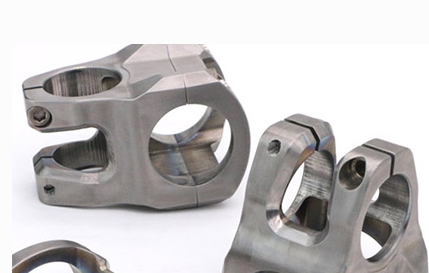
Stainless Steel (304, 316, 17-4 PH)
- Density: 7.9 g/cm³ (heaviest of the three)
- Strength: High; 17-4 PH can reach 1,100 MPa after heat treatment
- Thermal Conductivity: 15–20 W/m·K (poor—similar to titanium)
- Machinability: Moderate; tough, work-hardens, gummy at low speeds
- Common Pitfalls: Tool wear, work hardening, poor surface finish, chip control issues
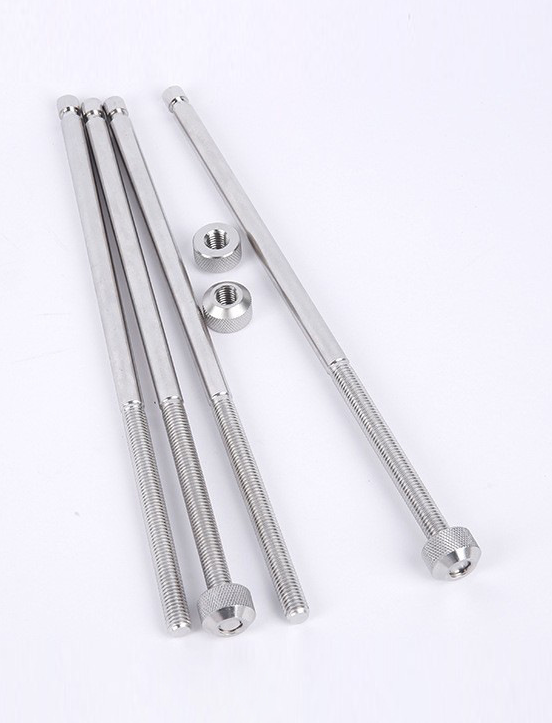
Quick Comparison Table
| Property | Aluminum | Titanium | Stainless Steel |
|---|---|---|---|
| Density | ★★★★★ (Light) | ★★★★☆ | ★★☆☆☆ (Heavy) |
| Strength | ★★★☆☆ | ★★★★★ | ★★★★☆ |
| Machinability | ★★★★★ | ★★☆☆☆ | ★★★☆☆ |
| Thermal Conductivity | ★★★★★ | ★★☆☆☆ | ★★☆☆☆ |
| Corrosion Resistance | Good | Excellent | Excellent |
| Typical Tool Life | Long | Short | Medium |
The Zorapid Difference: What Others Can’t Do, We Can
Most shops pick one material and stick to it. At Zorapid, we master all three—and handle the hardest jobs in each category that competitors refuse.
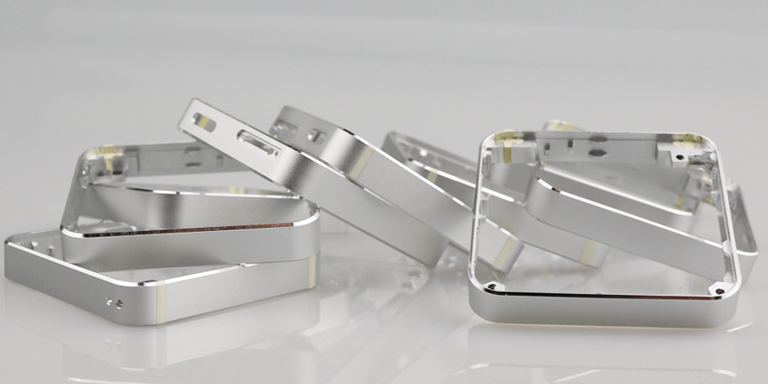
Aluminum: Mirror Finishes + Ultra-Thin Walls (0.2 mm)
- Problem: Thin aluminum walls flex, chatter, and break; surface finish degrades easily.
- Zorapid Solution: High-rigidity 5-axis + polished-flute DLC-coated tools + high-speed dynamic milling.
- Result: Consistent Ra ≤0.2 μm finishes and walls down to 0.2 mm with zero scrap.
Titanium: Hard Grades + Deep Cavities + Zero Tool Failure
- Problem: Ti-13Nb-13Zr, Ti-15V-3Cr-3Sn-3Al, and deep cavities kill tools in hours; scrap rates skyrocket.
- Zorapid Solution: 1,500 PSI through-spindle coolant + AlTiN-coated carbide tools + vibration-dampened 5-axis mills.
- Result: 30% longer tool life than industry average; scrap rate <1.5% on exotic grades.
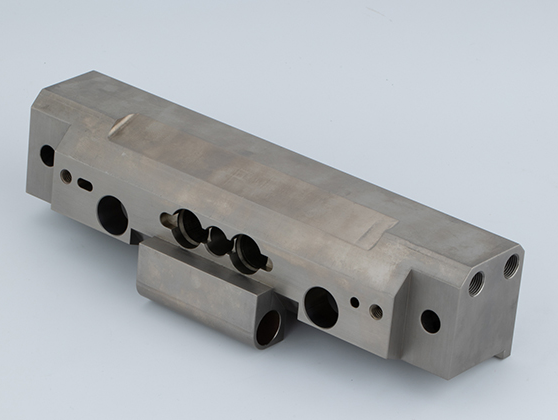
Stainless Steel: 17-4 PH Hardened + Medical-Grade Ra ≤0.4 μm
- Problem: Hardened 17-4 PH (HRC 44–48) wears tools fast; medical parts need flawless surfaces.
- Zorapid Solution: TiAlN-coated indexable inserts + low-deflection toolpaths + in-process cryogenic cooling.
- Result: Precision medical parts with Ra ≤0.4 μm and ±0.01 mm tolerances, delivered in days.
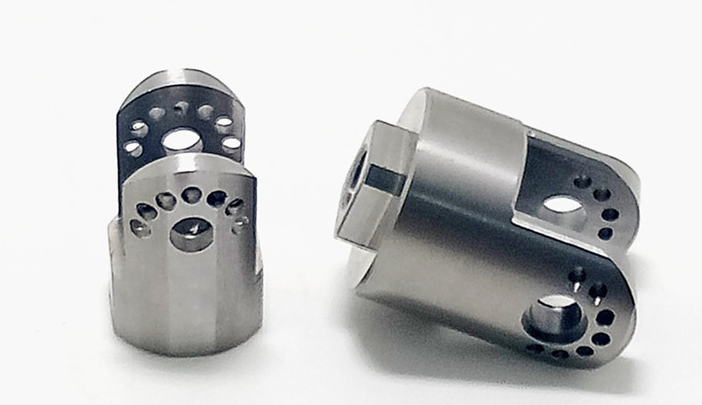
Cross-Material Expertise: One Shop for All Three
- No outsourcing, no quality gaps, no inconsistent finishes when switching materials.
- We program, fixture, and optimize for aluminum, titanium, stainless steel side-by-side on the same equipment.
Machining Data Report: Speeds, Feeds & Parameters (2026 Field Data)
This is our live shop-floor data—proven for 5-axis, high-pressure coolant (HPC), coated carbide tools.
Aluminum (6061-T6 / 7075-T6)
| Operation | Cutting Speed (m/min) | Feed per Tooth (mm) | Axial Depth (mm) |
|---|---|---|---|
| Roughing | 400–800 | 0.20–0.40 | 5–10 |
| Finishing | 600–1,200 | 0.10–0.20 | 0.3–0.8 |
| Thin-Wall | 300–500 | 0.08–0.15 | 0.2–0.5 |
Titanium (Ti-6Al-4V / Grade 5)
| Operation | Cutting Speed (m/min) | Feed per Tooth (mm) | Axial Depth (mm) |
|---|---|---|---|
| Roughing | 36–46 | 0.15–0.25 | 1.0–1.5 × Tool Dia |
| Finishing | 46–55 | 0.10–0.15 | 0.5–0.8 × Tool Dia |
| Thin-Wall | 30–36 | 0.08–0.12 | 0.3–0.5 × Tool Dia |
Stainless Steel (304 / 316 / 17-4 PH)
| Operation | Cutting Speed (m/min) | Feed per Tooth (mm) | Axial Depth (mm) |
|---|---|---|---|
| Roughing | 80–120 | 0.15–0.25 | 2–4 |
| Finishing | 120–150 | 0.08–0.15 | 0.5–1.0 |
| Hardened (17-4 PH) | 50–80 | 0.05–0.10 | 0.3–0.6 |
Tooling Cost vs. Life Summary
| Material | Tool Type | Coating | Avg. Tool Life |
|---|---|---|---|
| Aluminum | Solid Carbide | DLC / TiB₂ | 20–30 parts |
| Titanium | Solid Carbide | AlTiN / TiAlN | 8–12 parts |
| Stainless Steel | Indexable Insert | TiAlN | 15–20 parts |
Zorapid vs. Industry Averages
- Cycle Time: Aluminum −30%, Titanium −25%, Stainless Steel −20%
- Scrap Rate: Aluminum <0.5%, Titanium <1.5%, Stainless Steel <1.0%
- Tolerance Consistency: ±0.01 mm (industry avg ±0.03 mm)
Why Choose Zorapid for Aluminum / Titanium / Stainless Steel
We’re not a “general” CNC shop—we’re a material-specialized precision partner built for engineers who demand consistency, speed, and mastery across all three metals.
15+ Years Mastering All Three Materials
- No learning curves, no trial runs, no “we don’t do titanium” excuses.
- Our machinists are cross-trained on aluminum, titanium, stainless steel daily.
1-Piece Minimum, 3–5 Day Delivery Across All Materials
- One aluminum prototype? One titanium implant? One stainless valve body? All ship in 3–5 days.
- Industry average: 2–4 weeks for titanium/stainless; 1–2 weeks for aluminum.
ISO 9001, AS9100D, ISO 13485 Certified
- Aerospace, medical, and automotive quality standards for all materials.
- Every part includes CMM/OMI inspection reports + material certifications.
In-House 5-Axis + SLM Metal 3D Printing
- Hybrid manufacturing: print complex titanium/stainless geometries, machine critical surfaces—one shop, one quality standard.
Transparent, Fixed-Price Quotes
- Detailed breakdowns for material, tooling, labor—no hidden fees, no surcharges for titanium/stainless.
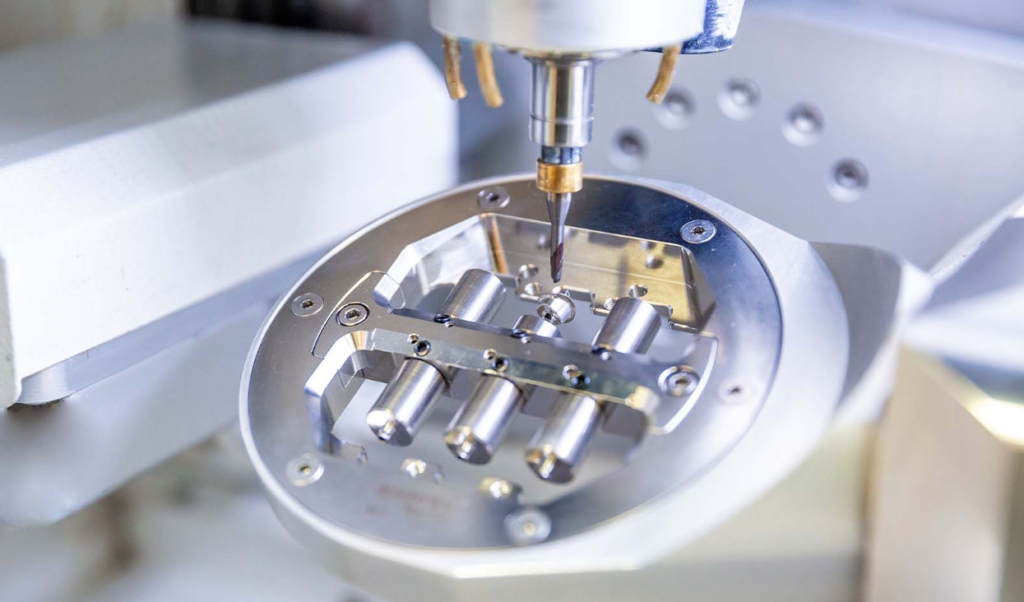
Ultimate CNC Machining Guide: Aluminum / Titanium / Stainless Steel Pro Tips
Memorize these—they’ll save you 90% of common failures across all three materials.
Aluminum Pro Tips
- Tools: Use polished-flute, sharp-edge carbide (DLC/TiB₂ coating) to prevent BUE.
- Speeds: Go fast—high RPM keeps heat low and surface finish clean.
- Coolant: Flood + air blast to clear chips; avoid oil-based coolants (gummy chips).
- Fixturing: Vacuum fixtures for thin walls; minimize overhang.
Titanium Pro Tips
- Golden Rule: Slow speed, heavy feed—high RPM = instant tool death.
- Coolant: 1,000+ PSI through-spindle mandatory; flood coolant won’t reach the edge.
- Tools: AlTiN/TiAlN-coated carbide; avoid uncoated tools.
- Fixturing: Max rigidity; clamp close to cut zone to reduce springback.
Stainless Steel Pro Tips
- Speeds: Moderate—faster than titanium, slower than aluminum.
- Feeds: Steady; avoid light feeds (triggers work hardening).
- Tools: TiAlN-coated inserts for hardened grades; sharp edges for finish.
- Coolant: Synthetic with anti-weld additives; keep chips moving.
Best Materials & Grades for CNC (With Applications)
Aluminum
- 6061-T6: General-purpose; housings, brackets, heat sinks.
- 7075-T6: High-strength; aerospace, robotics, structural parts.
- 5052: Marine-grade; corrosion-resistant enclosures.
Titanium
- Ti-6Al-4V (Grade 5): All-purpose; aerospace, medical, automotive.
- Ti-13Nb-13Zr: Medical; bone implants, dental abutments.
- Ti-6Al-4V ELI (Grade 23): Low-impurity; critical aerospace/medical parts.
Stainless Steel
- 304: General; food equipment, marine hardware, fixtures.
- 316: Marine/chemical; valves, pumps, offshore components.
- 17-4 PH: High-strength; medical implants, aerospace fasteners.
Real-World Case Studies (With Actual Photos)
Case 1: Aerospace Titanium Bracket (Ti-6Al-4V)
- Challenge: 5-axis complex geometry, 0.01 mm tolerance, 0.4 mm thin walls, 12 features.
- Industry: 4 weeks lead time, 10% scrap risk.
- Zorapid: 5-axis dynamic milling, HPC, custom vacuum fixture.
- Result: 4-day delivery, 0 scrap, 100% CMM pass; quarterly reorder of 50 parts.
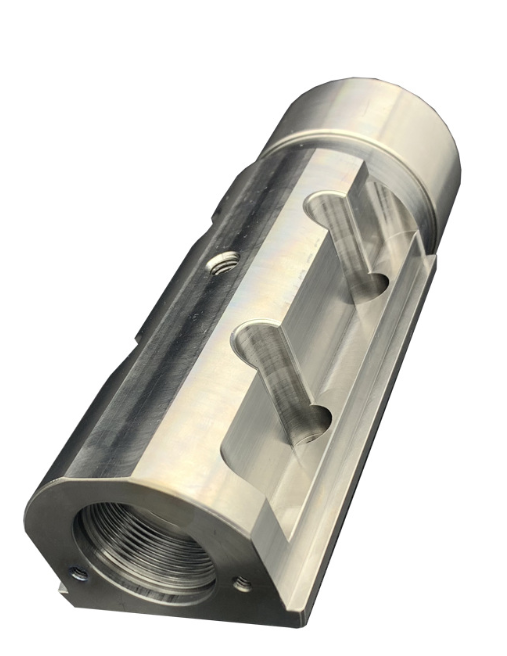
Case 2: Medical Stainless Implant (17-4 PH)
- Challenge: Medical-grade, Ra ≤0.4 μm, ±0.01 mm tolerance, hardened HRC 44.
- Industry: 8-week lead time, high tool wear risk.
- Zorapid: 5-axis finish, cryogenic cooling, medical passivation.
- Result: 5-day delivery, ISO 10993 certified; used in clinical trials.
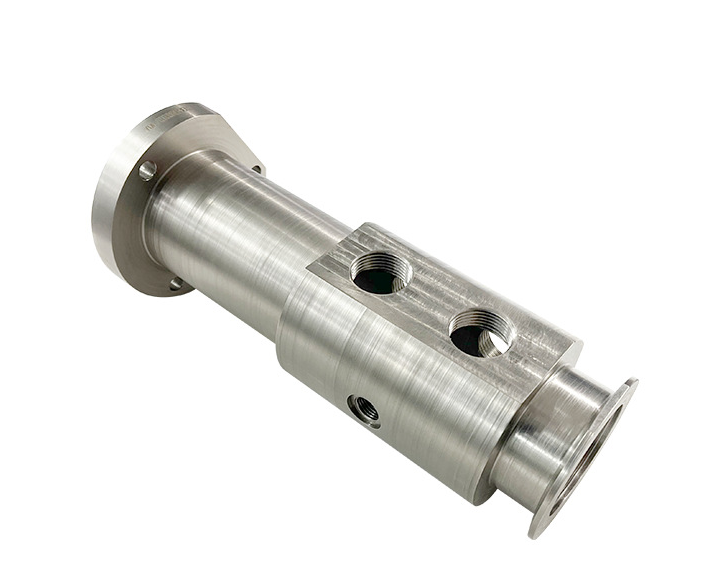
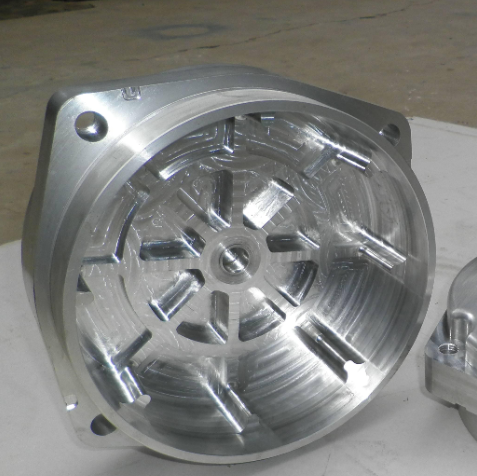
3: Robotics Aluminum Housing (7075-T6)
- Challenge: Large 250×180×60 mm, 0.5 mm walls, zero deflection, anodized finish.
- Industry: 2 weeks lead time, high scrap risk.
- Zorapid: High-speed 5-axis, vacuum fixture, post-machining anodizing.
- Result: 3-day delivery, 30% lighter than steel, Ra ≤0.3 μm.
op Applications for Aluminum / Titanium / Stainless Steel CNC Parts
Aerospace & Defense
- Aluminum: Brackets, fuselage panels, heat exchangers.
- Titanium: Structural components, landing gear, turbine parts.
- Stainless Steel: Fasteners, valve bodies, hydraulic components.
Medical & Dental
- Aluminum: Instrument housings, surgical trays.
- Titanium: Hip/knee implants, bone screws, dental abutments.
- Stainless Steel: Surgical tools, implantable devices, sterilization trays.
Robotics & Automation
- Aluminum: Lightweight arms, end-effectors, sensor housings.
- Titanium: High-strength joints, precision gears, lightweight frames.
- Stainless Steel: Corrosion-resistant actuators, food-grade components.
Automotive (Performance & EV)
- Aluminum: EV battery housings, suspension parts, engine components.
- Titanium: Racing exhausts, lightweight valves, suspension links.
- Stainless Steel: Exhaust systems, fasteners, brake components.
Marine & Oil/Gas
- Aluminum: Lightweight hull parts, instrumentation housings.
- Titanium: Subsea components, risers, valve bodies.
- Stainless Steel: Pumps, valves, offshore fixtures, pipe fittings.
Delivery Speed: 3–5 Days for All Three Materials
Speed without quality is useless—here’s how we consistently deliver in 3–5 days:
- 24-Hour Quote: CAD files (STEP/DWG) → fixed-price quote in 24 hours.
- Same-Day Setup: Program + fixture 5-axis machines day of approval.
- 24/7 Lights-Out Machining: Real-time tool wear monitoring → no downtime.
- In-House Inspection: CMM/OMI/surface finish testing on-site → no third-party delays.
- Global Express Shipping: DHL/FedEx → parts at your door in 1–3 days post-production.
Result: Quote to delivery in 3–5 days—70% faster than industry average.
Free Industry Whitepaper: The Definitive Guide to CNC Machining Aluminum / Titanium / Stainless Steel
- Full material science breakdown for 12 grades
- Advanced 5-axis toolpath strategies for each metal
- Cost-saving tips for high-volume production
- Tooling brand/coating/geometry comparisons
- Safety guidelines (titanium fire prevention, chip handling)
Summary
Aluminum, titanium, and stainless steel each demand respect—but you don’t have to master them alone.
- Aluminum: Fast, light, forgiving—great for prototypes and high-volume parts.
- Titanium: Strong, light, unforgiving—for aerospace, medical, and high-stress applications.
- Stainless Steel: Tough, corrosion-proof, reliable—for medical, marine, and industrial use.
At Zorapid, we turn “hard” into “done.” We handle the jobs others can’t, deliver in days, and hold tolerances that make competitors look slow.
Ready to start your aluminum/titanium/stainless steel project? Send us your CAD files today for a free, no-obligation quote.
FAQ
Can Zorapid machine all three materials on the same 5-axis machines?
Yes. Our 5-axis mills are configured for quick changeover between aluminum, titanium, and stainless steel—no dedicated machines required.
What’s the typical cost difference between aluminum, titanium, and stainless steel?
Aluminum (lowest) → stainless steel (2–3× aluminum) → titanium (5–10× aluminum). Tooling costs follow the same order.
What’s the tightest tolerance Zorapid can hold across all three materials?
±0.005 mm for precision medical/aerospace parts; ±0.01 mm for general parts. Consistency is guaranteed.
Do you offer post-machining finishing (anodizing, passivation, laser polishing)?
Yes. In-house options: aluminum anodizing, titanium passivation/laser polishing, stainless steel electropolishing/passivation.
Can you handle low-volume (1–10) and high-volume (1,000+) orders?
Yes. We specialize in low-to-medium volume (1–5,000) with the same quality and speed for 1 piece or 5,000 pieces.