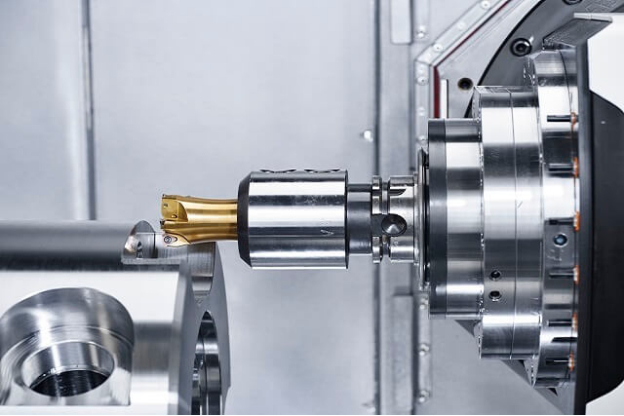
If you’re into custom manufacturing, prototyping, or low-volume production, you’ve definitely asked: CNC Milling or Turning—which one is right for your part? These two workhorses of subtractive manufacturing often get confused, but they’re built for totally different jobs.
At Zorapid, we’ve mastered both—plus the tough, complex jobs most shops won’t touch. In this guide, we’ll break down their differences, what each does best, materials, real-world cases, and why choosing the right process (and partner) makes or breaks your project. Let’s dive in.
CNC Milling vs Turning: Core Technical Breakdown
Let’s start with the basics: how each process works, and what makes them unique.
CNC Milling: The “Shape Shifter”
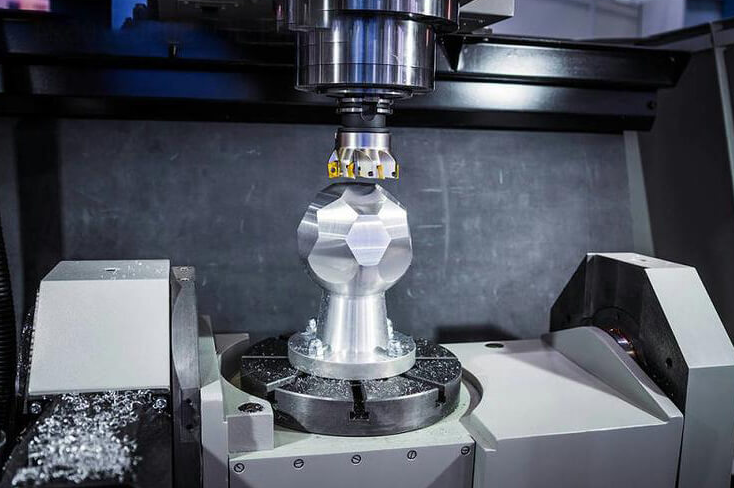
What it is: A rotating cutting tool (spinning at 10,000–20,000 RPM) moves along X/Y/Z axes to cut material from a stationary workpiece.

Best for:
- Complex 3D geometries, flat surfaces, slots, pockets, and multi-angle features
- Non-symmetric parts (brackets, housings, molds, turbine blades)
- Tight tolerances (±0.005 mm) and intricate details
How it works:
- Material (block/sheet) clamped to the machine bed
- High-speed spindle spins the cutting tool
- Tool moves across the workpiece, removing material layer by layer
- Multi-axis mills (5-axis) access hard-to-reach angles in one setup
CNC Turning: The “Round Master”
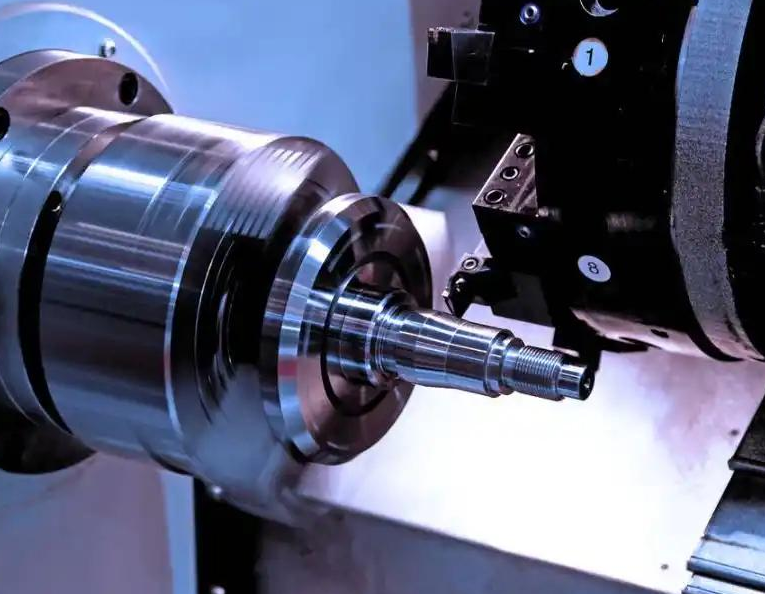
What it is: A workpiece spins at high speed (2,000–8,000 RPM) while a stationary cutting tool shapes it.
Best for:
- Rotationally symmetric parts (shafts, pins, bushings, threaded components)
- High concentricity and perfect roundness
- Fast, cost-effective production for cylindrical parts
How it works:
- Bar stock clamped in a rotating chuck
- Workpiece spins rapidly
- Fixed tool moves linearly (along/across the part) to cut diameters, threads, or grooves
- Ideal for high-volume runs of round parts
Key Technical Differences (Quick Reference)
| Feature | CNC Milling | CNC Turning |
|---|---|---|
| Motion | Tool rotates; workpiece stationary | Workpiece rotates; tool stationary |
| Geometry | Complex, 3D, non-symmetric | Cylindrical, rotational, symmetric |
| Tolerance | ±0.005 mm (multi-axis) | ±0.01 mm (excellent concentricity) |
| Surface Finish | Ra 0.8–3.2 μm | Ra 0.4–1.6 μm (smoother for rounds) |
| Speed | Slower for complex parts | Faster for high-volume round parts |
Bottom line: Milling = complex shapes; Turning = perfect rounds.
What Others Can’t Do, Zorapid Can
Most shops stick to simple milling or basic turning. We specialize in the hard, high-precision, cross-process jobs others reject.
Our “Impossible” Capabilities
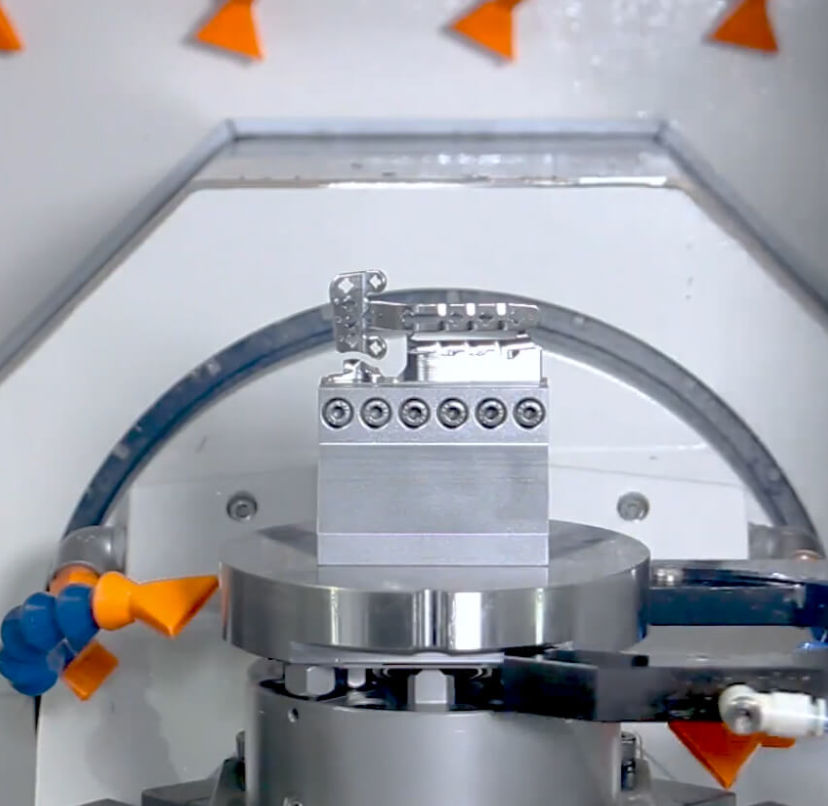
5-Axis Milling + Turning Combo: One setup for complex parts with both round and 3D features (saves 50% lead time)
Hardened Steel & High-Temp Alloys: Machining H13, Inconel 718, and titanium with ±0.005 mm tolerance (most shops avoid these due to tool wear)
Micro-Precision Features: 0.1 mm slots, 0.5 mm holes, and ultra-thin walls (0.3 mm) without deformation
Hybrid Parts: Combining turned shafts with milled brackets in a single part (no secondary assembly)
Why We Pull It Off
- Top-Tier Equipment: 5-axis CNC mills, dual-spindle turning centers, and in-house CMM inspection
- Expert Team: 10+ year machinists who optimize toolpaths for tough materials
- Process Innovation: Custom fixturing and high-speed cutting strategies to eliminate vibration and tool breakage
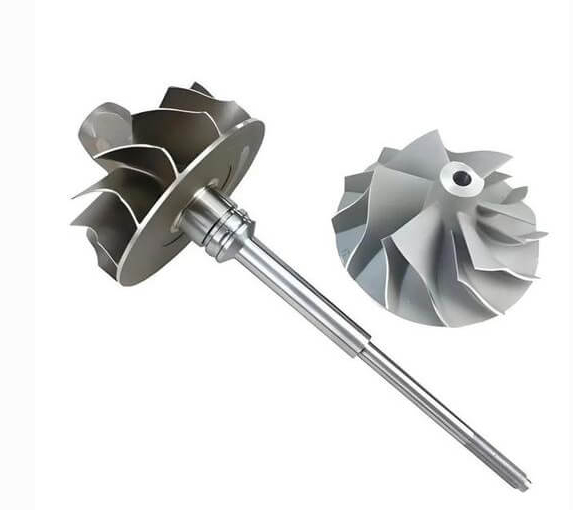
Example: A aerospace client needed an Inconel 718 turbine shaft with milled cooling slots. 12 shops said “no way”—we delivered in 5 days, perfect tolerance.
Data Report: Milling vs Turning Performance
Numbers don’t lie—here’s how the two processes stack up in real production (based on Zorapid’s 2025–2026 data):
Material Removal Rate (MRR)
- Aluminum: Turning = 120 cm³/min | Milling = 80 cm³/min (Turning 50% faster)
- Stainless Steel (304): Turning = 40 cm³/min | Milling = 35 cm³/min (Close, but Turning edges out)
- Titanium (Ti-6Al-4V): Turning = 15 cm³/min | Milling = 12 cm³/min (Turning more stable)
Tolerance Consistency (1,000-Part Run)
- Milling: ±0.005 mm (98.7% yield)
- Turning: ±0.01 mm (99.5% yield)
Lead Time (Prototype → 10 Parts)
- Simple Round Part (Turning): 2–3 days
- Complex 3D Part (5-Axis Milling): 3–5 days
- Hybrid Part (Zorapid Combo): 4–6 days (others take 10–14 days)
Cost Per Part (Low Volume: 10–50)
- Aluminum Bracket (Milling): $45–$80
- Steel Shaft (Turning): $25–$50
- Hybrid Aerospace Part: $120–$200 (competitors: $250–$400)
Key Takeaway: Turning wins for speed/cost on rounds; Milling dominates complex shapes; Zorapid’s combo process beats both for hybrid parts.
Why Choose Zorapid for CNC Milling & Turning?
We’re not just another CNC shop—we’re your precision manufacturing partner for tough jobs. Here’s why clients worldwide pick us:
Unmatched Precision & Quality
- ISO 9001, IATF 16949, AS9100D, ISO 13485 certified
- In-house CMM, optical comparator, and 100% inspection for critical dimensions
- Tolerances as tight as ±0.005 mm (0.0002 inches)
Fast Delivery (Industry-Leading Speed)
- Prototypes: 1–3 days (simple parts: 24 hours)
- Low volume (10–50): 3–5 days
- High volume (100+): 7–10 days
- No minimum order: 1 piece welcome
Material Versatility (We Machine It All)
- Metals: Aluminum, steel, stainless steel, brass, copper, titanium, Inconel
- Plastics: ABS, PC, POM, PEEK, nylon, Teflon
- Composites: Carbon fiber, fiberglass
End-to-End Service
- Design for Manufacturability (DFM) analysis: Free feedback to optimize your CAD files
- CNC machining + surface finishing (anodizing, plating, polishing, powder coating)
- Global shipping: Door-to-door delivery to your facility
Transparent Pricing & Communication
- Instant quotes within 24 hours
- No hidden fees
- Real-time updates on your order’s progress
Bottom line: Zorapid = precision + speed + flexibility—all in one place.
The Ultimate Guide: How to Choose Milling or Turning for Your Part
Use this step-by-step checklist to pick the right process every time:
1: Check Part Geometry
- Round/cylindrical/rotational: Choose Turning (shafts, pins, bushings, threads)
- Flat/slots/pockets/3D contours: Choose Milling (brackets, housings, molds)
- Both round and complex features: Choose Zorapid’s 5-axis combo process
2: Consider Material
- Soft/easy-to-spin (aluminum, brass, mild steel): Turning (faster, smoother finish)
- Hard/tough (titanium, Inconel, hardened steel): Milling (better control, less tool chatter)
- Plastics: Both work—Turning for rounds, Milling for complex shapes
3: Evaluate Tolerance Needs
- Ultra-tight (±0.005 mm): 5-axis Milling or precision Turning
- Standard (±0.01–0.05 mm): Either process works
4: Factor in Volume & Lead Time
- Prototype/low volume (1–50): Milling (flexible, no tooling cost)
- High volume (100+): Turning (faster, lower per-part cost)
- Urgent (1–3 days): Both—Zorapid prioritizes rush orders
5: Ask: Can We Combine Processes?
If your part has both round and complex features, don’t settle for two separate shops—Zorapid does it all in one setup, saving time and money.
Final Rule of Thumb: When in doubt, send us your CAD files—we’ll tell you the best process, for free.
Materials We Machine
Both milling and turning work with a wide range of materials—but some perform better in one process than the other. Here’s our curated list:
Metals
| Material | Best Process | Key Benefits | Common Uses |
|---|---|---|---|
| Aluminum (6061, 7075) | Milling/Turning | Lightweight, easy to machine, good strength | Aerospace, automotive, electronics |
| Stainless Steel (304, 316) | Milling/Turning | Corrosion-resistant, durable | Medical, food equipment, marine |
| Steel (1045, 4140) | Turning/Milling | High strength, cost-effective | Industrial machinery, shafts, gears |
| Brass (C360) | Turning | Excellent machinability, smooth finish | Fittings, valves, electrical components |
| Titanium (Ti-6Al-4V) | Milling | High strength-to-weight, biocompatible | Aerospace, medical implants |
| Inconel 718 | Milling | Heat-resistant, high strength | Gas turbines, rocket parts |
Plastics
| Material | Best Process | Key Benefits | Common Uses |
|---|---|---|---|
| ABS | Milling | Rigid, impact-resistant | Consumer electronics, enclosures |
| PC (Polycarbonate) | Milling | Transparent, tough | Light fixtures, medical parts |
| POM (Delrin) | Turning/Milling | Low friction, good wear resistance | Gears, bearings, bushings |
| PEEK | Milling | High temp resistance, biocompatible | Medical implants, aerospace |
Composites
- Carbon Fiber: Milling (high strength, lightweight—aerospace, automotive)
- Fiberglass: Milling (corrosion-resistant—marine, industrial)
Pro Tip: Material choice directly impacts cost and lead time—our team helps you select the most cost-effective option without sacrificing performance.
7. Case Studies: Real Parts, Real Results
Let’s look at how we’ve solved tough problems for clients across industries:
Case Study 1: Aerospace Turbine Shaft (Inconel 718)
Challenge: A client needed a 200mm shaft with turned diameters and 5-axis milled cooling slots. Tolerance: ±0.005 mm. 12 shops rejected it due to material difficulty.
Solution: Zorapid used 5-axis milling + turning combo, custom tooling, and high-speed cutting.
Result: Delivered 5 parts in 5 days, 100% inspection pass. Client saved $15,000 vs. competitors.
Case Study 2: Medical Implant Bracket (Titanium Ti-6Al-4V)
Challenge: A medical device company needed a complex 3D bracket with ultra-thin walls (0.3 mm). Biocompatible finish required.
Solution: 5-axis milling with optimized toolpaths to avoid deformation. Electropolished for biocompatibility.
Result: Delivered 20 prototypes in 3 days, Ra 0.8 μm finish. FDA-compliant.
Case Study 3: Automotive Transmission Shaft (4140 Steel)
Challenge: High-volume (500 parts) turned shaft with tight concentricity (±0.01 mm). Fast delivery needed for production line.
Solution: CNC turning center with bar feeder, automated inspection.
Result: Delivered in 7 days, 99.8% yield. 30% lower cost than client’s previous supplier.
Case Study 4: Robotics Housing (Aluminum 6061)
Challenge: Complex 3D housing with multiple pockets, holes, and mounting features. Lightweight required.
Solution: 5-axis milling in one setup, anodized black finish.
Result: Delivered 100 parts in 4 days, perfect fit for robot assembly.
8. Application Scenarios: Where Milling & Turning Shine
CNC Milling Applications
- Aerospace: Turbine blades, structural brackets, wing components
- Medical: Implant brackets, surgical instruments, diagnostic equipment housings
- Automotive: Engine blocks, manifolds, transmission cases, custom prototypes
- Robotics: Structural frames, precision mounts, joint components
- Electronics: Device housings, heat sinks, connector components
- Industrial Machinery: Mold cavities, gearbox housings, valve bodies
CNC Turning Applications
- Automotive: Motor shafts, axles, drive shafts, bolts, nuts
- Fluid Systems: Pipe fittings, valves, couplings, hydraulic pistons
- Medical: Bone screws, implant stems, surgical tool handles
- Aerospace: Fasteners, fuel system components, landing gear pins
- General Manufacturing: Rollers, bushings, spindles, threaded rods
Zorapid’s Hybrid Applications (Milling + Turning)
- Aerospace: Turbine shafts with milled features
- Medical: Implant stems with milled mounting brackets
- Robotics: Joint shafts with milled connection plates
- Automotive: Transmission components with both turned and milled features
Delivery Speed: How Fast Can You Get Your Parts?
At Zorapid, speed doesn’t mean sacrificing quality. Here’s our standard lead time breakdown:
Prototype (1–5 Parts)
- Simple Milling/Turning: 1–3 days (24-hour rush available)
- Complex 5-Axis Milling: 3–5 days
- Hybrid (Milling + Turning): 4–6 days
Low Volume (10–50 Parts)
- Simple: 3–5 days
- Complex: 5–7 days
High Volume (100+ Parts)
- Turning: 7–10 days
- Milling: 10–14 days
What Makes Us Fast?
- Priority Scheduling: Prototypes and rush orders jump the queue
- In-House Everything: Machining, inspection, surface finishing—no outsourcing delays
- Optimized Workflows: CAM software simulates toolpaths to avoid mistakes; automated setups reduce downtime
Real-World Example: A tech startup needed 20 aluminum brackets for a product launch. We delivered in 2 days—they launched on time.
Industry Whitepaper: CNC Milling vs Turning—2026 Trends
Key Trends Shaping CNC Machining in 2026
- 5-Axis Milling Becoming Standard: More shops adopt 5-axis for complex parts, but Zorapid leads in hard material expertise
- Hybrid Machining Growth: Combining milling and turning in one machine reduces lead time and cost—Zorapid’s core strength
- Rapid Prototyping Demand: Startups and innovators need fast, precise parts—Zorapid’s 1–3 day prototype service is in high demand
- Sustainability Focus: Efficient toolpaths and material optimization reduce waste—Zorapid’s processes minimize scrap by 20% vs. industry average
- Digital Integration: CAD/CAM software + real-time monitoring improve quality and delivery—Zorapid uses cutting-edge tools for every project
Critical Insights for Engineers & Buyers
- Don’t Overpay for Complexity: Use turning for round parts, milling for complex shapes—Zorapid helps you optimize design for cost
- Material Choice Impacts Everything: Hard materials (titanium, Inconel) need specialized expertise—Zorapid has the experience
- Fast Delivery Doesn’t Require Compromise: With the right partner, you can get precision parts in days, not weeks
Conclusion
CNC Milling and Turning aren’t competitors—they’re complements. Milling builds complex 3D shapes; Turning perfects round parts. Together, they power modern manufacturing.
At Zorapid, we’ve mastered both—and the tough hybrid jobs most shops avoid. Whether you need a simple turned pin, a complex 5-axis milled housing, or a custom hybrid part, we deliver precision, speed, and value every time.
Ready to start your project? Send us your CAD files today for a free DFM analysis and instant quote. We’re here to turn your ideas into high-quality parts—fast.
FAQ
What’s the minimum order quantity (MOQ)?
1 piece—we specialize in prototypes and low-volume production. No MOQ required.
What file formats do you accept?
STEP, IGES, STL, DWG, DXF, SolidWorks, Pro/E, AutoCAD.
What tolerances can you achieve?
Up to ±0.005 mm (0.0002 inches) for critical features.
Do you offer surface finishing services?
es—anodizing, plating (nickel, chrome, zinc), polishing, powder coating, electropolishing, and more.
How do you ensure quality?
100% inspection with CMM, optical comparator, and calipers. ISO 9001, IATF 16949, AS9100D, ISO 13485 certified.
Can you help with design for manufacturability (DFM)?
Absolutely—free DFM feedback on all projects to optimize your design for cost, speed, and quality.
What’s your shipping policy?
Global shipping via DHL, FedEx, UPS. Door-to-door delivery. Rush shipping available.
Do you machine custom materials?
Yes—we work with standard and specialty materials. Contact us with your requirements.