Nickel alloys are gaining increasing popularity across various industries due to their unique and valuable mechanical and chemical properties. They deliver excellent corrosion resistance and high-temperature resistance.
However, nickel alloys are difficult to machine because they are prone to work hardening. Fortunately, adopting the right methods can simplify the machining process. Below is all the essential information about nickel alloy machining.
Why Is Nickel So Difficult to Machine?
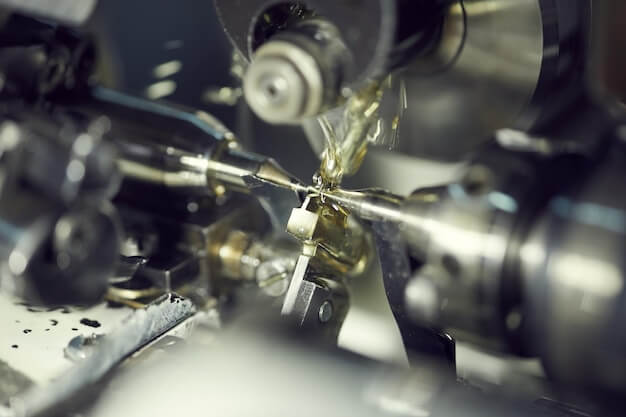
Machining nickel alloys is extremely challenging due to their abrasiveness, excessive heat buildup, and rapid work-hardening characteristics. These issues lead to severe tool wear and dimensional errors. High temperatures also cause warping of the alloy parts.
Material Properties of Nickel and Nickel-Based Alloys
Nickel and its alloys are well known for outstanding corrosion resistance, high strength, and heat resistance. When alloyed with other elements, they offer versatile applications and can be engineered to deliver unique performance properties. Nickel plating is also widely used, where a thin layer of nickel is coated onto other metals to enhance their overall performance.
High Tensile Strength and Elasticity
Nickel alloys exhibit higher strength and toughness than pure nickel. Their tensile strength can reach up to 1,000 MPa, with a Young’s modulus as high as 210 GPa. Such superior mechanical performance is achieved when nickel is combined with other alloying elements.
Low Thermal Conductivity and Heat Concentration
Nickel alloys feature excellent heat resistance yet low thermal conductivity. Alloying elements in nickel alloys disrupt the regular atomic arrangement within the nickel lattice, restricting the transfer of thermal energy. Pure nickel has a thermal conductivity of 106 W/mK at room temperature, while its alloys show even lower thermal conductivity.
Chemical Reaction with Cutting Tools
Nickel alloys possess high chemical reactivity with cutting tools. Intense heat generated during machining, combined with abrasive carbides contained in the alloy, triggers multiple wear mechanisms such as adhesive wear and diffusion wear.
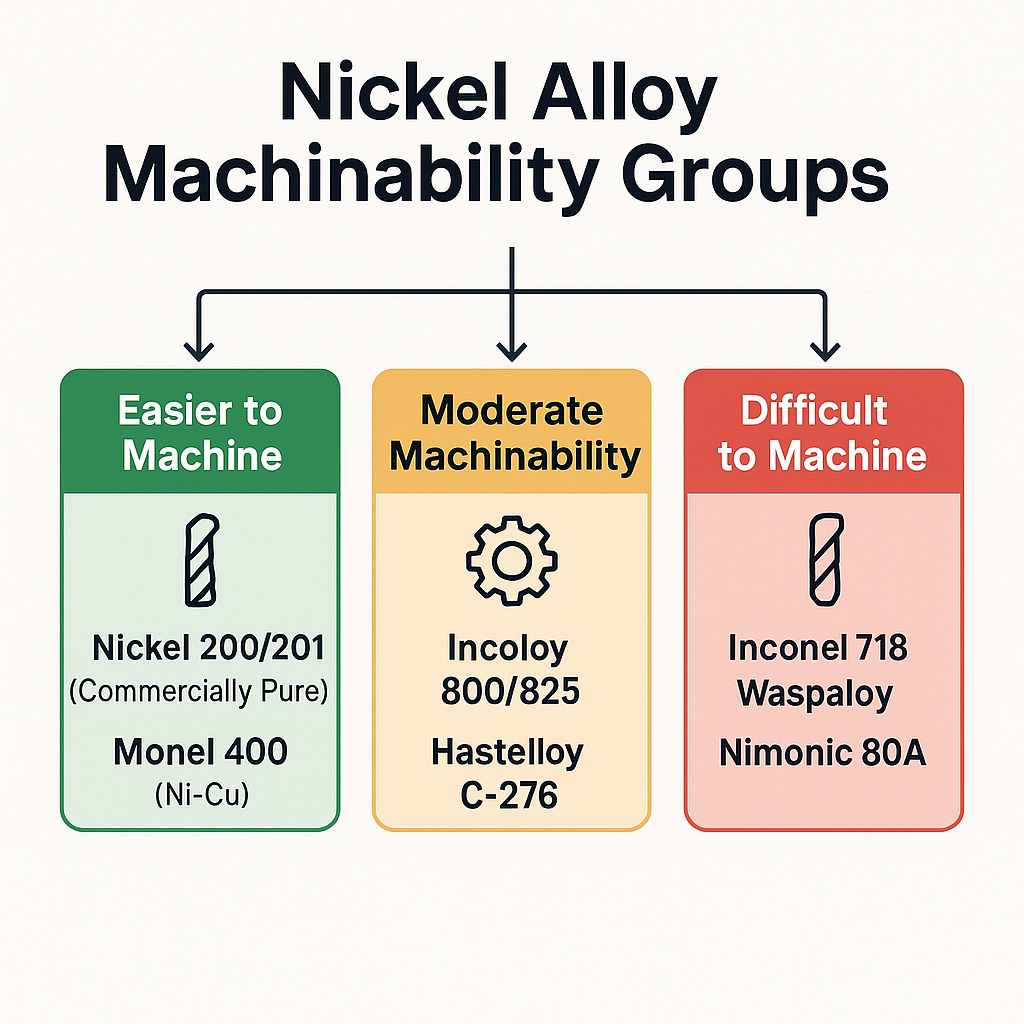
Nickel Alloy Groups and Relative Machinability
High nickel content significantly affects machinability. Alloys with 25% to 65% nickel deliver enhanced corrosion resistance, yet they feature a high work-hardening rate and shear strength, making machining extremely difficult.
Pure Nickel Grades (Nickel 200/201)
Pure nickel materials such as UNS N02200 and UNS N02201 produce gummy chips and are very challenging to machine. Nickel forms tough, stringy chip curls that are hard to clear and tend to wrap around cutting tools.
Nickel 201 also generates excessive heat during machining, resulting in rapid tool wear and edge dulling. Machining Nickel 200 requires sharp cutting tools, adequate feed rates and cutting depths to avoid these issues.
Ni-Cr Austenitic Alloys (Alloy 600, 625)
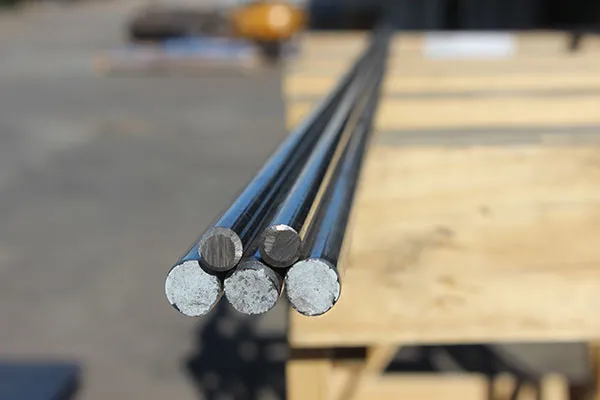
Nickel-chromium alloys (600 and 625) are face-centered cubic (FCC) structure alloys with excellent corrosion resistance. They are non-magnetic, and feature good machinability, high temperature resistance and mechanical strength. Alloys 600 and 625 are well known for superior machinability in the annealed condition. For CNC machining of nickel alloys, rigid cutting tools such as carbide or high-speed steel are recommended.
Superalloys (Inconel 718, 725)
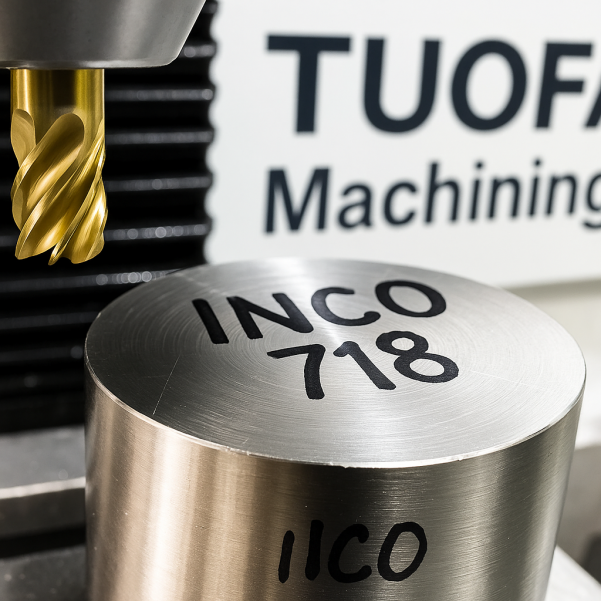
Inconel 718 and 725 are widely used in demanding applications within the aerospace, oil and gas industries, thanks to their outstanding corrosion resistance and mechanical strength. However, they have low thermal conductivity and a rapid work-hardening rate. These characteristics result in difficult machining operations, poor surface finish, accelerated tool wear and high cutting forces.
Cast Nickel vs Forged Nickel – Key Differences
Cast Nickel 201 is produced by pouring molten metal into a mold.
Forged nickel is manufactured through mechanical deformation processes such as forging or rolling.
Cast nickel contains inherent defects including porosity and uneven microstructure, making Nickel 200 difficult to machine.
Forged nickel features a uniform microstructure with superior ductility, allowing it to be machined much more easily.
5 Core Machining Operations for Nickel Alloys: Challenges & Quick Solutions
Nickel and its alloys present unique challenges during machining. Addressing these issues requires a strategic approach, including optimized cutting and feed rates, dedicated tooling, and advanced programming strategies.
1. Turning Nickel Alloys
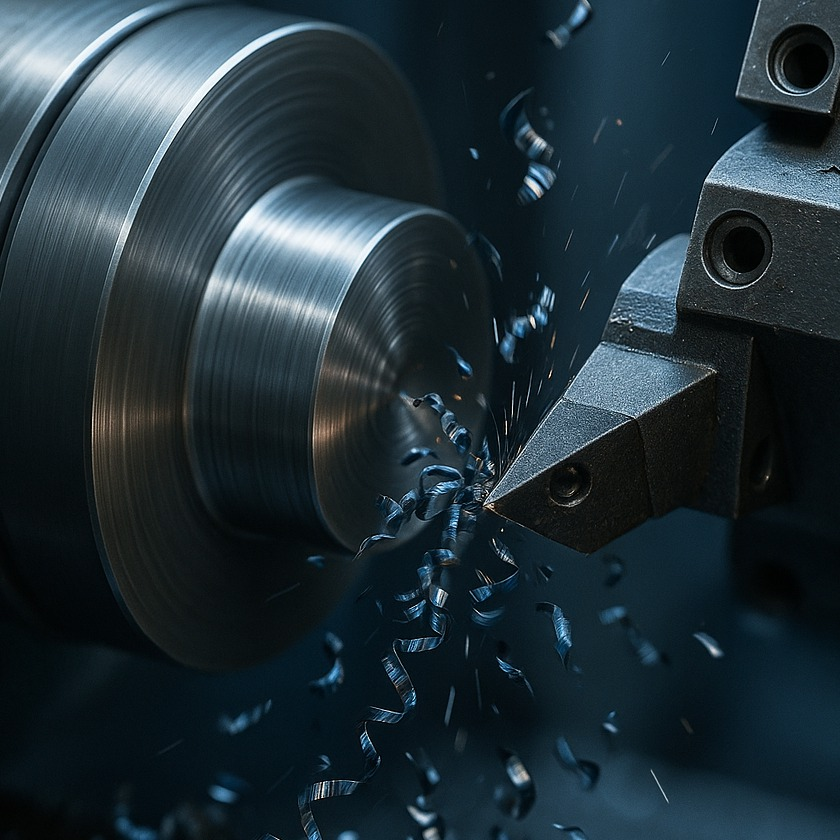
During turning, a cutting tool on a lathe removes material from a rotating nickel workpiece to create cylindrical forms.
Common challenges in CNC turning of nickel alloys include work hardening, excessive heat generation, and rapid tool wear.
These can be resolved by using carbide or ceramic tools with positive rake angles, high cutting speeds, and steady coolant flow.
2. Milling Nickel Alloys
Milling operations use rotating cutting tools to remove material and shape nickel-based workpieces into desired geometries.
Typical milling difficulties include work hardening, chip buildup, and chatter.
These issues can be overcome by using positive cutting angle tools, high-power machines, and avoiding low feed rates.
3. Drilling & Reaming Nickel Alloys
Drilling and reaming use rotary cutting tools (such as drill bits) to create holes in nickel alloys.
Common problems in deep-hole drilling include high temperatures, tool wear, and work hardening of the cladding material.
Solutions include using indexable insert drills or cobalt drills (for twist drills). Maintain consistent drilling speeds and apply coolant during facing, boring, and centering operations.
4. Tapping & Thread Milling Nickel Alloys
Tapping nickel alloys creates internal threads inside a hole, while thread milling forms external threads on nickel alloy components.
Key CNC challenges are work hardening and tool wear.
These can be mitigated by using high-quality taps, proper coolant, and avoiding excessively fast thread cutting speeds.
5. Grinding & Honing Nickel Alloys
Grinding and honing are processes used to remove material for improved surface finish and geometric accuracy of nickel-based alloys.
Common challenges in surface grinding and ID honing include wheel wear and poor surface finish caused by excessive workpiece hardness.
Tips for machining nickel-based alloys include using hard and tough grinding wheels, optimizing grinding parameters, and applying coolant properly.
Heat and Chip Management Tips
To achieve efficient nickel alloy machining, key tactics include adopting effective heat and chip management strategies — applying high-pressure coolant to dissipate heat and evacuate chips, together with selecting proper cutting parameters and tool geometries.
Cryogenic Machining with Liquid Nitrogen
Cryogenic machining using liquid nitrogen, especially for Inconel 718, can greatly improve machinability. It also enhances surface finish, extends tool life, and reduces cutting forces. The cutting zone is rapidly cooled, which modifies material properties and minimizes friction. Long-duration cryogenic cooling may affect the mechanical properties of nickel alloys and accelerate tool wear.
Indexable Inserts with Optimized Internal Coolant Channels
Indexable inserts equipped with optimized coolant ports are essential for efficient nickel alloy machining. Coolant effectively dissipates heat, lubricates the cutting zone, and flushes away chips smoothly — critical for achieving fine surface finishes and longer tool service life. These coolant designs also help lower machining costs and stabilize material processing performance.
Toolpath Strategies to Dwell Time and Re-cutting
To minimize dwell time and chip re-cutting, adopt toolpaths that facilitate smooth chip evacuation and reduce tool wear. Effective strategies include rest machining, toolpath smoothing, and optimized cutting parameters. Recommended practices involve using tools with positive rake angles and proper relief angles, as well as selecting high-speed steel, ceramic, or CBN cutting tools.
How to Machine Nickel Safely
Safety comes first when machining nickel alloys, and there are proven ways to carry out the process safely.
To machine nickel safely, prioritize dust and fume control, fire risk management, and proper personal protective equipment (PPE). Exposure to nickel dust and fumes can cause respiratory illnesses and even lead to long-term health issues in severe cases. Fine nickel chips also pose a potential fire hazard.
Safety Hazards
When machining nickel-based alloys, controlling dust and fumes must be the top priority. It is also necessary to manage fire risks and wear personal protective equipment. Fine nickel turning chips carry obvious fire risks. Nickel dust and fumes may trigger respiratory diseases and result in chronic health problems.
Tips for Safer Nickel Alloy Machining
Using high-pressure coolant is critical for heat control during nickel alloy machining. Proper procedures must be followed for coolant handling to reduce exposure risk and ensure proper disposal. Storing fine nickel turnings in a dry and temperature-controlled environment is essential to avoid work hardening and extend tool life.
Cutting Parameters & Coolant Guidelines
For optimal machining results, adopt relatively low cutting speeds and feed rates, and prioritize tool quality together with correct machining parameters for nickel alloys. Water-soluble coolant is vital for heat dissipation, lubrication, and chip evacuation.
Intermittent Cutting Method
This method helps control heat buildup and tool wear in nickel machining. For finish turning, standardized coolant handling, waste disposal, and material storage are indispensable for operational safety and environmental compliance.
Practical Applications and Case Studies
In real-world applications, machining nickel and nickel-based metals can be challenging. Choosing the right machine shop for your next project is a wise decision. Zorapid precision nickel machining shop is a reliable choice, backed by an experienced team of engineers. Zorapid provides one-stop services from CAD design all the way to mass production.
Aerospace Turbine Discs Machined from Inconel 718
GE Aviation Engine (GEAE) tested three versions of forged Alloy 718 for gas turbine engine component production: standard processed, high-strength processed, and direct-aged Alloy 718. The third version adopts a high forging reduction ratio at a lower temperature with aging-only heat treatment to achieve superior disc performance.
Oil & Gas Valves in Alloy 625 and Alloy 825
Both are highly corrosion-resistant nickel alloys that withstand harsh operating conditions including high pressure, high temperature, and corrosive media such as hydrogen sulfide.
Alloy 625 delivers superior performance at a higher cost; Alloy 825 offers reliable performance with excellent cost-effectiveness for a wide range of applications.
Medical Nitinol Components – Guidewire and Stent Machining
Nitinol is a nickel-titanium alloy widely used for manufacturing guidewires and stent components due to its superelasticity and shape memory effect.
Common forming processes for nitinol include laser cutting, electrical discharge machining (EDM), and wire forming.
Conclusion
Nickel-based alloys are renowned for their exceptional strength and hardness. Machining nickel-based alloys requires high cutting forces, which greatly increases processing difficulty and accelerates tool wear. These alloys also feature high machining rigidity and tend to cause severe heat accumulation in the cutting zone.
In CNC machining, nickel alloys are regarded as more difficult to machine than titanium alloys, demanding dedicated cutting parameters and tailored machining procedures. Nickel-based alloys are chemically reactive, and tool materials are prone to chipping under shear stress, further raising the complexity of the machining process.
FAQ
Why are nickel alloys difficult to machine?
Severe work hardening during cutting; Very low thermal conductivity, heat stays at cutting edge; High ductility causes built-up edge and tool adhesion; High cutting load leads to vibration, deformation and tool chipping.
What tools are best for nickel alloys?
Use ultra-fine grain carbide end mills with high-temperature resistant coating, large flute volume and sharp edges. Avoid high-speed steel tools.
What common defects occur when machining nickel alloys?
Work hardening causes tool digging, vibration marks, heavy burrs, dimensional springback and fast tool failure.
Can Zorapid machine nickel alloy precision parts?
Zorapid provides custom turning, milling and drilling for Inconel, Hastelloy, Monel and other nickel alloys. We manage work hardening, deformation and tight tolerances for prototyping and small batches.