Metal processing technology has a history of thousands of years. Advances in technology have greatly enriched the variety of machining processes. From gaskets to large bridges, the manufacturing of almost all components relies on metal processing. This article gives a comprehensive introduction to different machining processes, their applications, and materials suitable for metal fabrication.
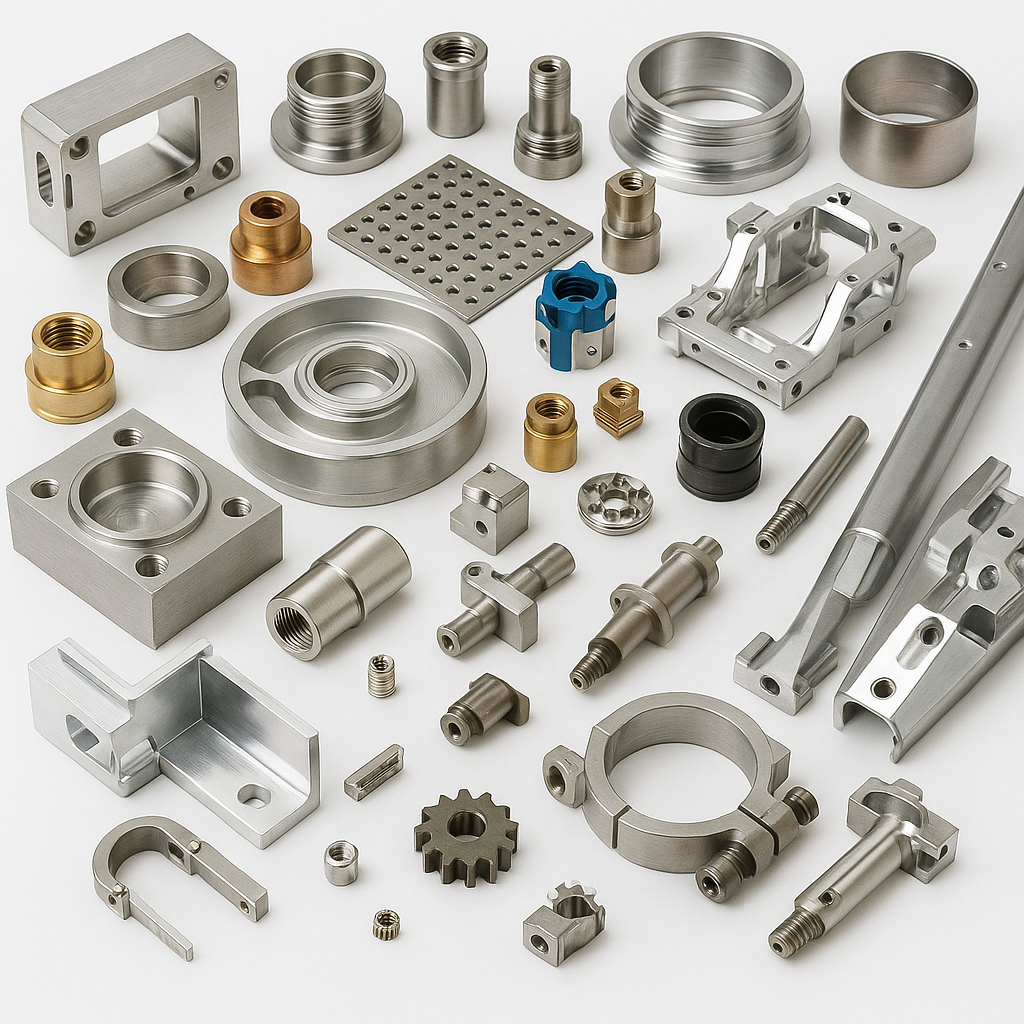
What is Metal Fabrication?
Metalworking turns raw metal into finished parts such as steel bars into nuts.
Metal working refers to converting raw metal materials into desired finished products.
Basic Definition of Metal Processing
Metalworking falls into simple, precision and complex categories. Let’s take a look at the key differences between them.
Basic Metal Processing
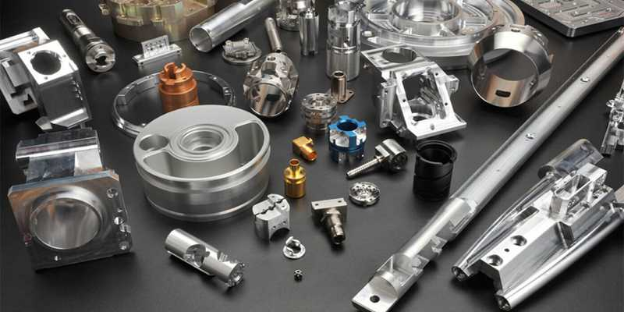
Basic metalworking counts as primary manufacturing. It fabricates simple parts or structures through cutting, forming, bending and other methods.
Precision Metal Fabrication
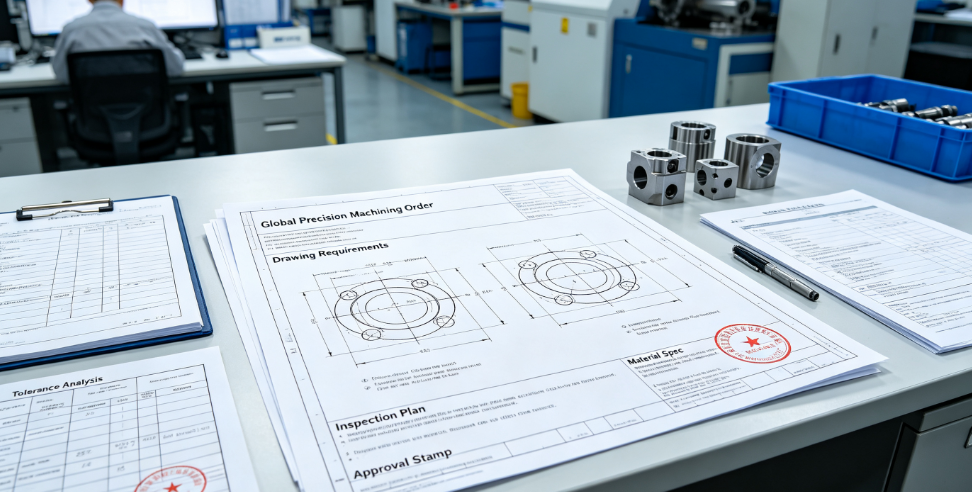
Precision metal processing is essential for tight dimensional tolerances and strict surface roughness. Using advanced CNC milling and drilling equipment, it delivers high-precision parts widely used in aerospace, automotive, electronics and medical industries.
Advanced Metal Processing
Advanced metal processing leverages automation, robotics and CNC machines to mass produce high-precision parts.
Types of Metal Processing Classified by Process
Metal Casting
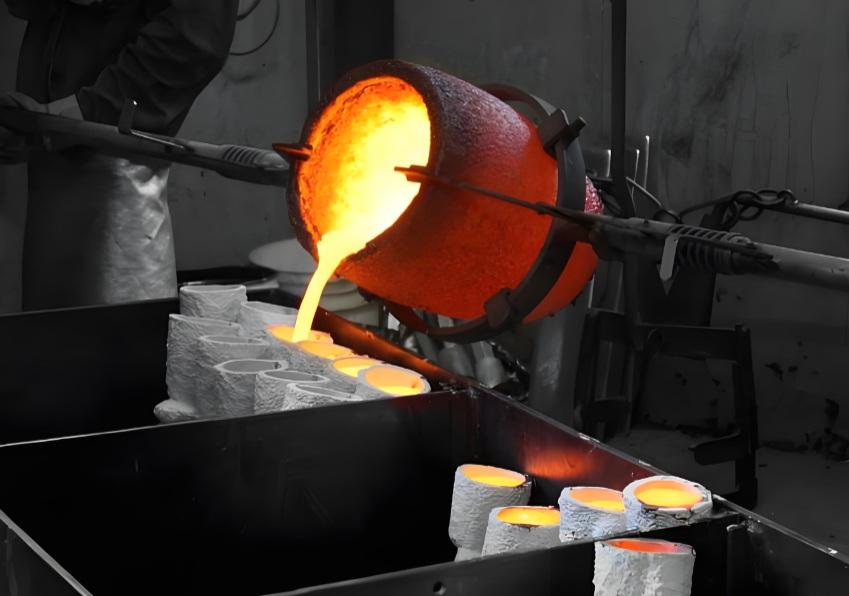
Casting is one of the oldest metalworking methods. It melts raw materials like aluminum into liquid, then pours it into custom molds. Engine blocks are classic aluminum parts made via casting.
Forming and Deformation
Forming is one of the simplest processes in metal processing and involves no cutting at all. It works by applying external force to deform raw metal materials into desired finished products. A typical example is making bracelets from steel plates through simple bending.
Forging and Hot Working
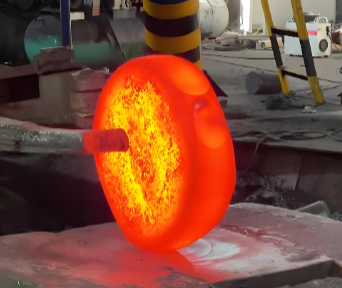
This metalworking process uses a hammer with custom dies to strike raw metal, imprinting the die pattern onto the workpiece.Gears forged from hot metal blanks via high-tonnage hammering to precise shapes.
Machining Process
Form the base shape first, then machine to add features and trim excess material.
Precision Turning
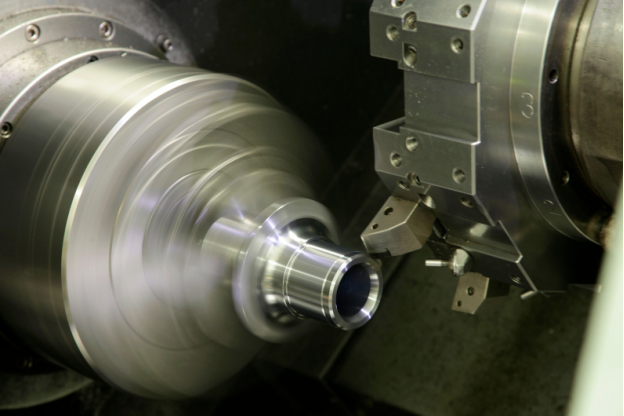
Turning makes cylindrical parts by cutting away excess material on lathes or CNC machines. Shafts, bolts and similar components are all produced this way.
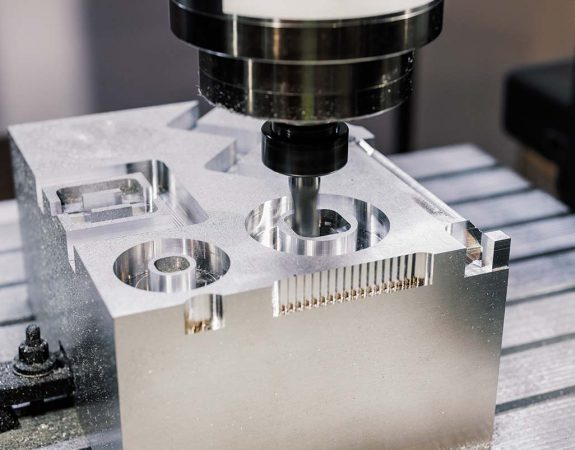
Precision Milling
Milling processes parts with complex shapes by removing excess material. A rotating cutting tool cuts against a stationary workpiece. Components such as engine blocks and grooves are produced by this process.
Precision Drilling
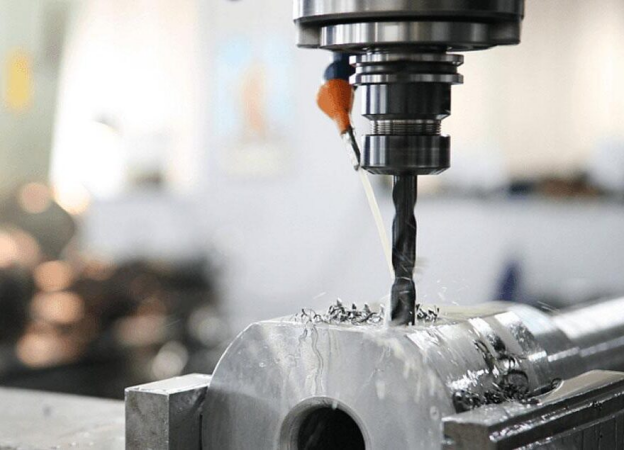
Drilling creates holes in metal parts, with nuts being the most common finished product.
CNC Machining of Custom Metal Parts
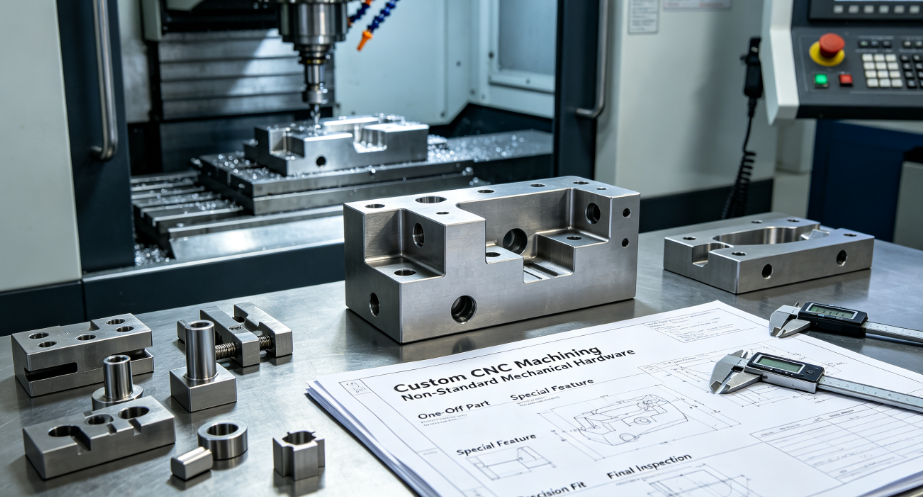
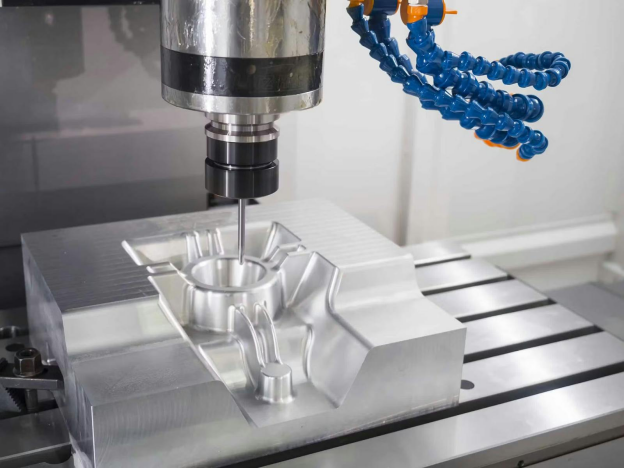
Custom CNC machining handles non-standard part design needs, requiring specialized cutting tools.
Types of Metal Processing Classified by Parts
Metal Processing Parts
Metal processing classified by part type means that different parts have distinct sizes, shapes and functions. Corresponding processing techniques and equipment shall be selected according to these differences. The purpose of metal processing by part category is to manufacture structural components, industrial parts and other related products.
Heavy-Duty Manufacturing
Heavy metal plates need to undergo large-scale cutting, rolling, welding and mechanical processing.
Sheet Metal Processing
Sheet metal processing fabricates parts from thin metal sheets via cutting, bending, stamping and punching. CNC stamping and bending are widely used for server rack production.
Precision CNC Metal Parts
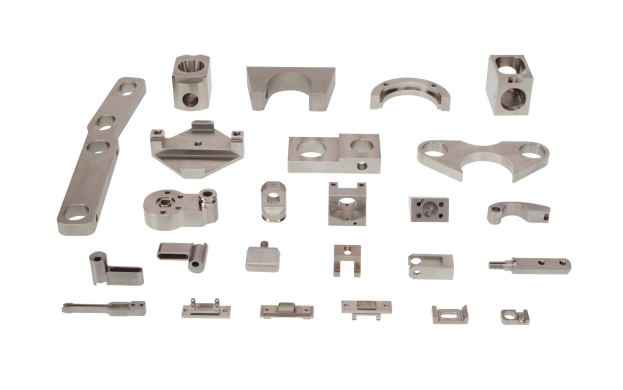
Brackets, gaskets, mounting plates and similar small parts demand tight dimensional tolerances. Standard tools can’t keep up — precision CNC machining is the reliable solution.
Custom Prototype Fabrication
CNC machining is commonly adopted for rapid prototype fabrication.
What Are the Common Metals?
Metal processing techniques cannot be applied to all metals with the same efficiency. Different processes and methods are required for different types of metals.
Commonly Used Metal Materials: https://zorapid.com/materials
Ferrous Metal Processing
Ferrous metals include carbon steel and alloy steel. These metals are mainly used for structural parts or general-purpose applications.
Best suited for:
Ferrous metals feature high strength, good toughness and excellent heat resistance, making them ideal for forging, rolling, welding and heavy-duty cutting.
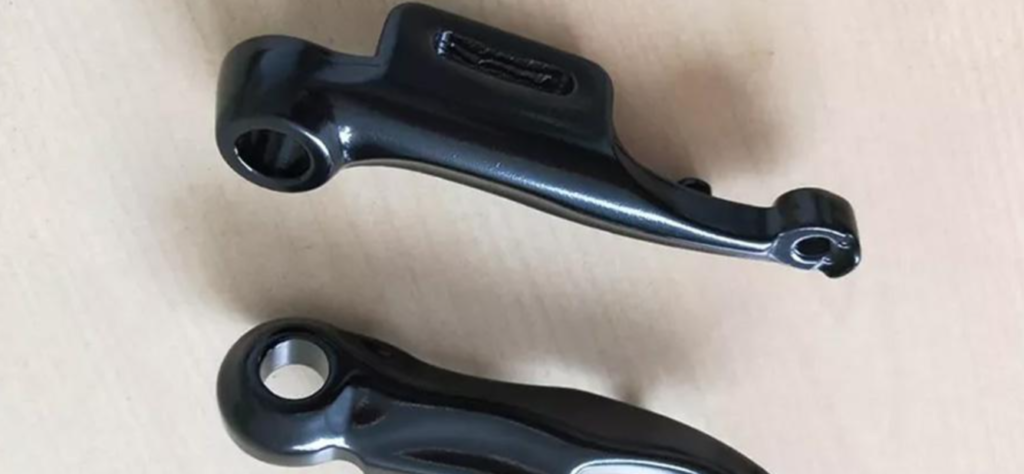
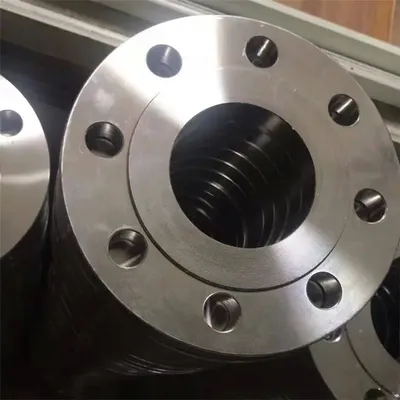
Stainless Steel Manufacturing
The most common stainless steel grades are 316, 304, 410 and 430. They are widely used due to their high strength and excellent corrosion resistance.
Best suited for:
Stainless steel is relatively difficult to process. It carries the risk of reduced corrosion resistance and is prone to work hardening. It is most suitable for forming and deformation, machining, welding and joining applications.
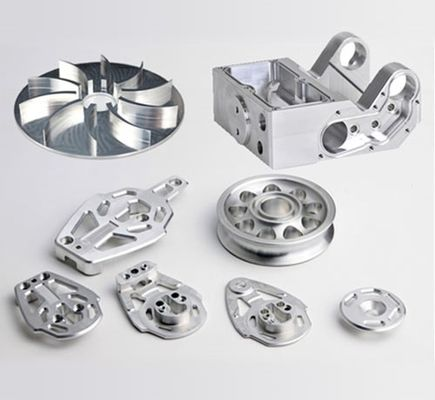
Aluminum Alloy Processing
1100, 2024, 3003, 6061 and 7075 are commonly used aluminum alloy grades in metal processing. The selection of these grades is based on requirements for strength, corrosion resistance and processing methods.
Best suited for:
Aluminum is relatively easier to machine compared with iron alloys. Common processing technologies include extrusion, casting, TIG welding, MIG welding and brazing.
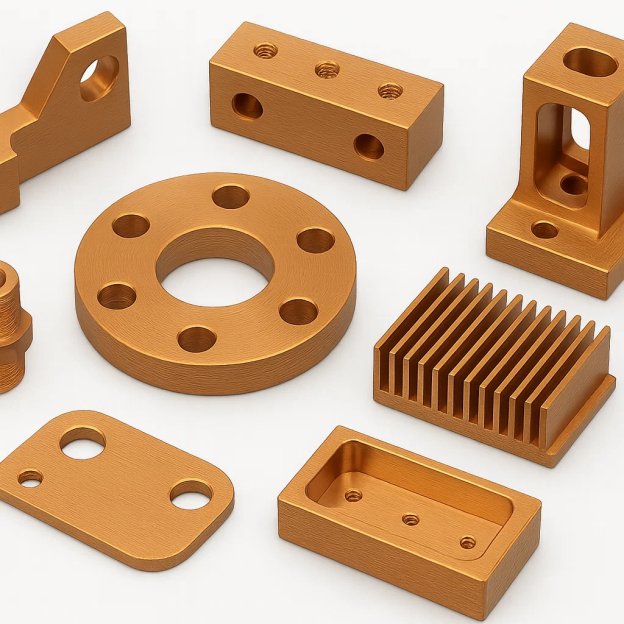
Copper, Brass and Bronze Processing
Copper and its alloys like brass and bronze are widely used in manufacturing, thanks to great conductivity, corrosion resistance and solid strength.
Best suited for:
Copper material processing: sheet metal forming, machining, welding and brazing.
Brass Processing: Casting, Forming, Welding and Machining
Bronze Processing Methods: Casting, Machining and Brazing
Special Alloys and Hard Metals
High-temperature extreme environments call for special alloys like Inconel and titanium. These alloys deliver great mechanical properties yet are difficult to machine, needing special cutting tools.
Best suited for:
These specialty alloys work perfectly for 3D printing, investment casting and CNC machining.
Metal Processing Technological Process
Metal processing is a complete workflow that involves multiple steps from design to product delivery.
Design and Engineering Phase
Metal processing starts with design. We use drawings, 3D models and professional software for precise product design, with AutoCAD as the most commonly used tool.
Rapid Prototype Testing
Part design finalized, proceed to prototype testing to verify design, function and manufacturability.
Manufacturing Plan
Once design and prototype testing pass, we finalize the manufacturing plan. It sets production workflow, equipment, labor arrangement and inspection procedures to ensure smooth production.
Quality Inspection
To ensure quality, we run multi-stage inspections across metal processing: raw material checks, in-process testing, and final lab verification.
Packaging and Shipping
mainly depends on product type and transportation method. Packaging solutions differ between land transportation and sea transportation.
One-Stop Custom Metal Machining
Large projects and automotive applications often require precision machining on existing metal parts, demanding highly reliable metal fabrication solutions.
With advanced equipment and highly experienced technicians, Zorapid delivers top-tier services for precision metal machining. From raw material procurement to on-time delivery to your designated location, Zorapid provides a full one-stop service at competitive prices.
Welcome to choose TUOFA and experience our professional one-stop customized service.
Select the Right Metal Processing Technology
The metal machining process is affected by a variety of factors. Here we discuss some of these key factors.
Part Geometry and Design
Part geometry and design are the top criteria. Shape, thickness and complexity all determine metal processing methods. Thin sheet raw material for bracelet parts only needs simple forming.
Tolerance and Surface Finish
Tight tolerances and mirror-smooth surface finishes call for precision machining to meet all specs.
Production Volume
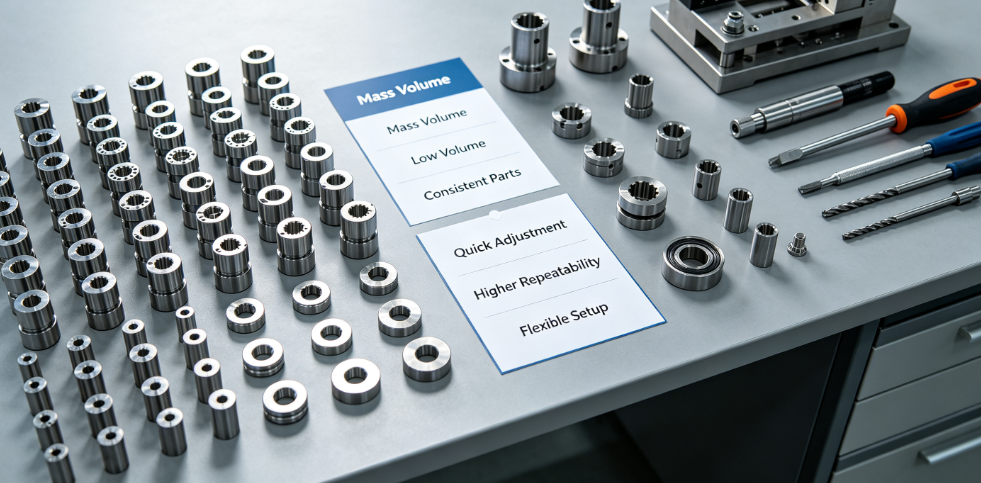
Small batches suit low-cost manual machines; mass production needs automated equipment, making metal processes scale-dependent.
Design Tips for Custom Metal Parts
Choose suitable materials wisely.
Avoid unnecessarily tight tolerances.
Maintain proper thickness based on application requirements.
Avoid sharp edges in design, as they will become stress concentration points.
CNC Machining vs Welding for Custom Metal Parts
CNC machining and welding are two commonly used metal fabrication processes. Pros and cons of both methods below:
Advantages and Disadvantages of CNC Machining
Advantages
- Tight Tolerance Compliance Aerospace and medical industries require strict tolerances to prevent dimensional errors.Such precise dimensions add greater value to the parts.
- No Human Error Computer-controlled machining nearly eliminates production human error.
- Labor Reduction Automated operations cut labor needs, saving time and cost.
- Mass ProductionThanks to its automated features, CNC machining enables easy mass production within a short lead time.
Disadvantages
- Higher Cost CNC unit costs exceed traditional cutting methods.
- Professional Operators RequiredCNC machine operators need professional and systematic training to prevent errors in programming and machining procedures.
Advantages and Disadvantages of Welding
Advantages
- Fast metal joining process
- Creates strong and permanent joints
- No need for drilling or fasteners
- Widely applicable for complex shapes
- Excellent electrical and thermal conductivity
Disadvantages
- Causes residual stress
- The heat-affected zone weakens component strength
- High temperature, fumes and electric shock pose potential safety hazards
- Requires skilled workers
Application Industries of Metal Processing
Metal processing is applied in almost all fields. The most common application industries are as follows:
Automotive Parts
Welding and CNC machining are widely used to boost automotive component reliability. From vehicle frames to nuts and fasteners, auto parts rely on a full range of metal processing methods.
Electronics and Consumer Goods
In the electronics and consumer goods industry, common metal processing techniques include brazing, soldering, precision CNC machining and welding. These processes make components practical and easy to use.
Industrial Equipment and Machinery
Metalworking is vital for industrial machinery, covering heavy machining, CNC and welding. Pressure vessels and other industrial equipment depend on metal fabrication.
Conclusion
Metal processing technologies play a vital role in the modern world. Their applications can be found everywhere, ranging from small nuts to huge bridges.
Metal fabrication supports diverse product manufacturing and simplifies daily life.
Metalworking includes forming, welding, CNC machining and other core processes.
The selection of the appropriate metalworking process depends on the material type, part geometry, and precision requirements for surface finish and dimensional tolerance.
FAQ
What are the six most common types of metal processing?
Casting
Forming
Machining
Joining
Heat Treatment
Surface Treatment