Aerospace CNC machining has become a vital pillar of modern industry. Safety stands as one of the most critical parameters in every stage of aircraft manufacturing. Regardless of project type, meeting the highest industrial standards is imperative, especially in the aviation sector. Even minor human errors, whether in tiny internal components or external structures of large aircraft, can lead to catastrophic consequences.
Aerospace CNC machining processes demand extremely high precision throughout manufacturing. Achieving tightest tolerances for metal and plastic components delivers robust solutions for the aerospace engineering industry. Zorapid focuses on providing comprehensive insights into the precision and efficiency of aerospace CNC machining.
Aerospace: https://zorapid.com/aerospace
What is Aerospace CNC Machining?
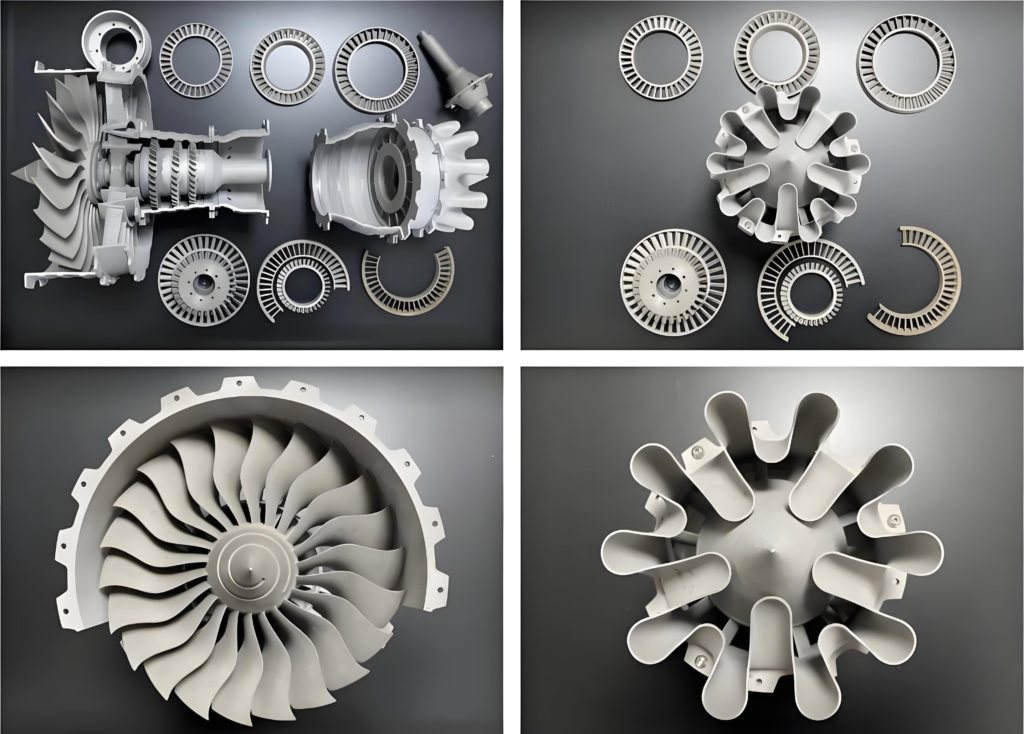
Aerospace CNC machining is fundamentally used to produce precision engineered components for the assembly and maintenance of aircraft and spacecraft.
Manufacturers fabricate essential assemblies, parts and components critical to aviation applications. Aircraft parts such as bushings, hinges and fixtures must be made from high-grade materials to ensure reliable performance and eliminate potential safety hazards.
Common materials widely adopted in the aerospace industry include titanium and Kevlar, as well as aluminum, copper, bronze, stainless steel and engineering plastics.
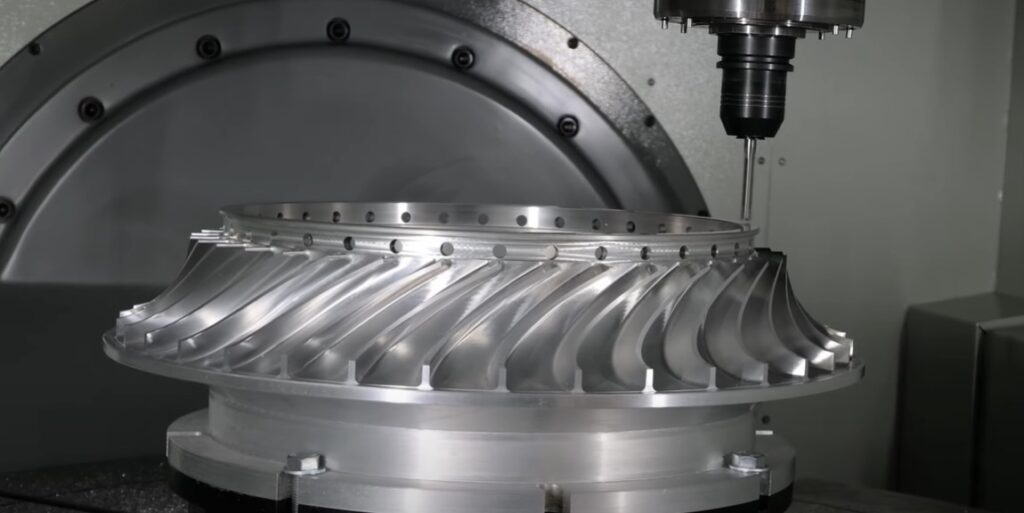
The Importance of Precision Machining in the Aerospace Industry
Aerospace engineering enforces extremely stringent production standards for CNC machining, along with rigorous safety controls throughout component manufacturing and assembly.
The industry demands tight tolerances, precise dimensions and reliable performance for every single part to avoid in-flight failures. Even a single fault or defect can lead to catastrophic consequences and cost millions of dollars. It also poses serious safety risks to end users. This is why the aerospace industry strictly complies with all technical specifications and market requirements.
Qualified manufacturing services equipped with state-of-the-art machinery deliver high-quality aerospace prototypes and end-use components. Sophisticated post-processing and rigorous inspection ensure finished prototypes and assemblies meet the highest aerospace standards.
Application of CNC Machined Aerospace Parts
Aircraft CNC Components
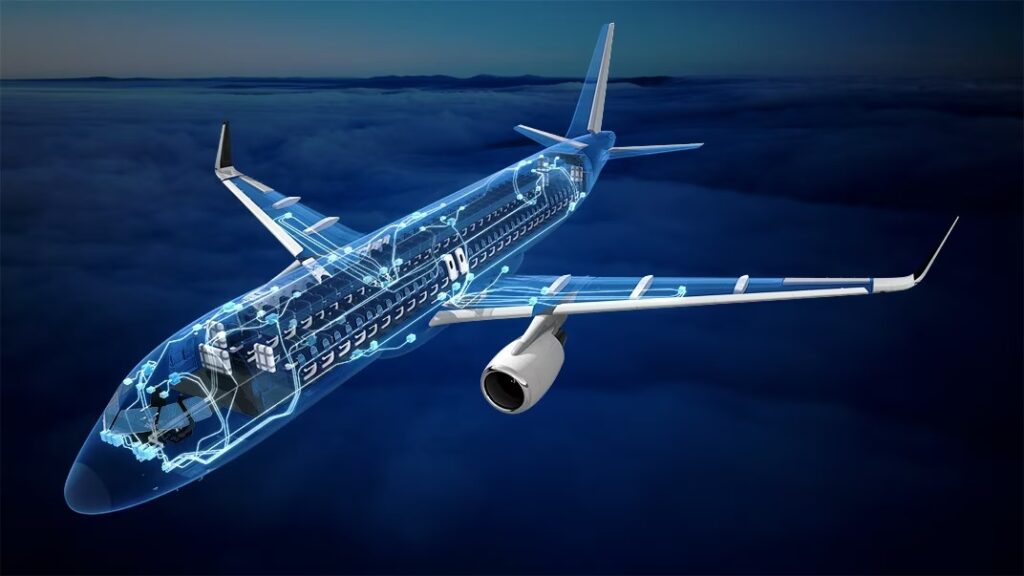
Precision is the most critical factor for cargo aircraft, fighter jets, and commercial airliners. This strict requirement applies to every aircraft component in production, from the innermost internal parts to the outermost structural elements.
Aircraft CNC components ensure these parts operate efficiently. Aircraft engines need to run smoothly with optimal fuel economy, and CNC-machined aerospace parts enable stable engine performance.
In the aircraft cockpit, interconnected small components form the navigation system that guides the aircraft across routes. CNC machining processes support the manufacturing of these assemblies through fine tuning and precise fabrication of key parts such as aircraft wings, ensuring safe and efficient flight operation.
Rocket CNC Parts
Our company designs and manufactures state-of-the-art spacecraft and rockets for a wide range of applications. CNC aerospace machining plays a vital role in these capabilities. Producing even the smallest components for rocket body designs is one of the most critical stages of the whole process.
Rocket manufacturing is essential for human survival and exploration in space. Precision and accuracy stand as the top priorities throughout production. All assemblies must function reliably to ensure safe rocket operation, as well as protect onboard crews and spacecraft. Precision is always the core focus of aerospace CNC machining.
Satellite CNC Components
Explore the unknown mysteries hidden in space.
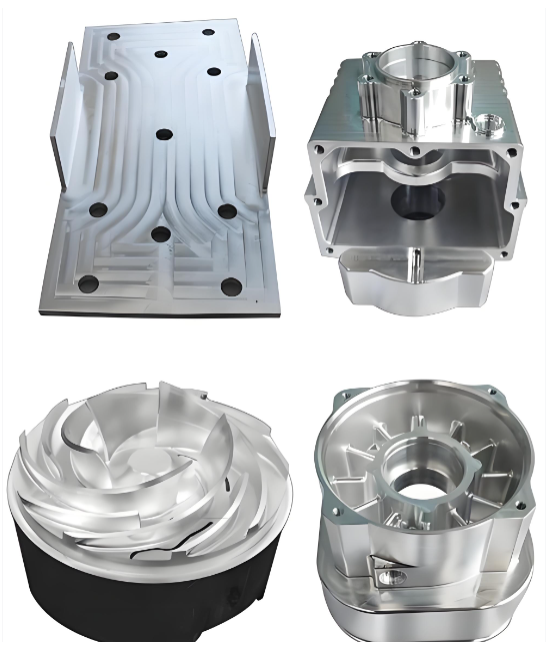
Satellites and spacecraft are engineered with high-end technology and sophisticated manufacturing processes.
CNC machines are adopted to fabricate high-standard rockets and satellites, as well as structural parts for rocket body assembly.
All these components must operate reliably without failure. Therefore, safety is the core priority in spacecraft design.
Selecting the right CNC lathe is essential to avoid dimensional inaccuracies and deliver premium-quality parts.
Benefits of Custom Aerospace Machining
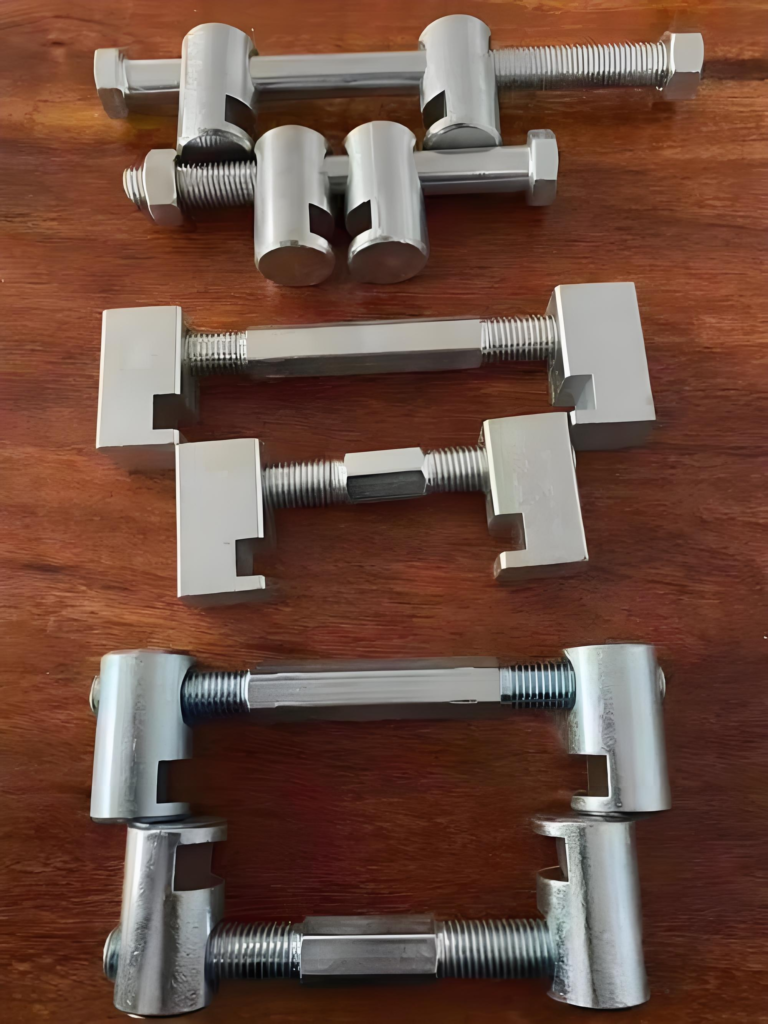
CNC aerospace machining stands as the optimal solution for component manufacturing and comes with a wide range of advantages. Some of the key benefits are outlined below.
High Precision
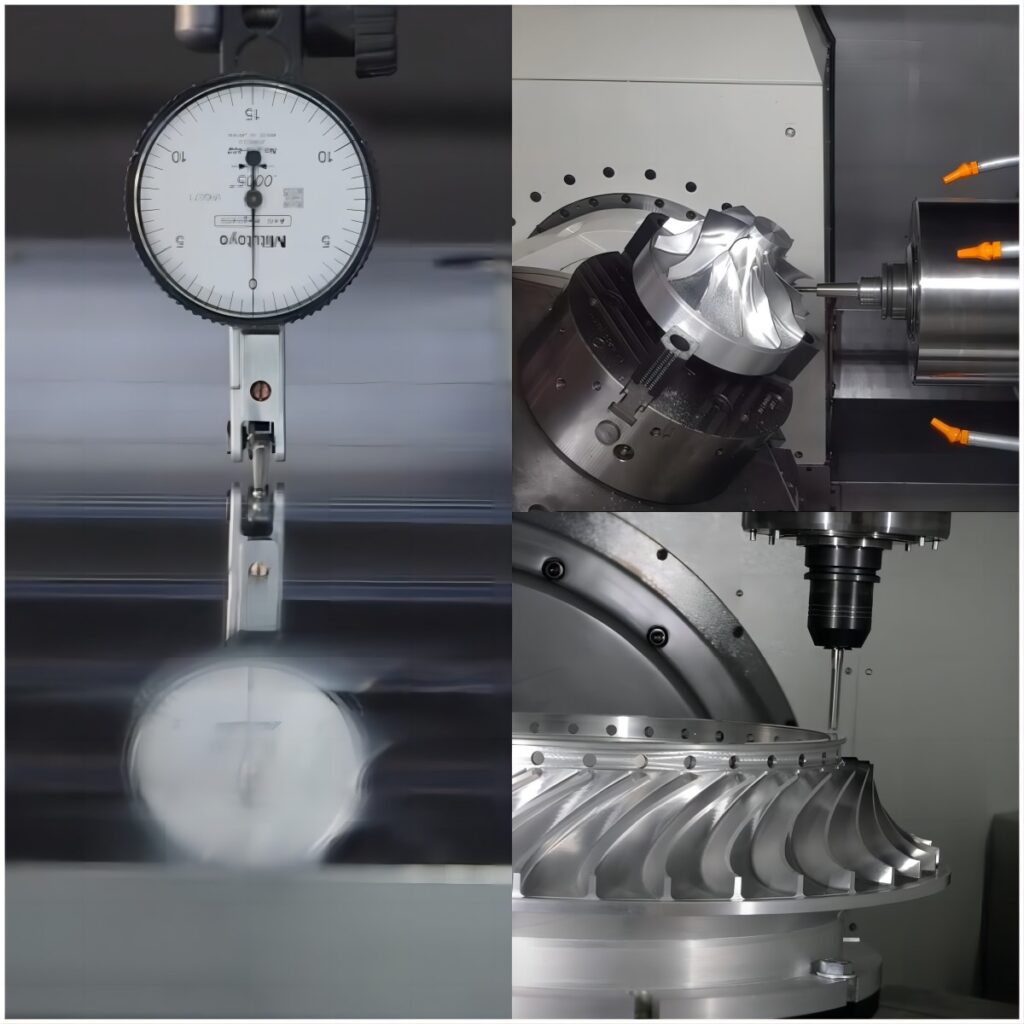
Precision is a core feature of CNC machining. Manufactured parts deliver high accuracy and consistent quality, with precision down to a few micrometers and minimal deviation. CNC machining for aerospace engineering ensures accurate part production and prevents asset losses caused by common component failures.
Material Compatibility
Material compatibility is a critical factor in aerospace CNC machining. Strength and weight are two essential properties in aircraft manufacturing, making it vital to select materials that meet structural load requirements.
Many conventional materials are not fit for service. Though stainless steel is widely used as a structural material, it lacks the performance properties required for aircraft production. Titanium and composite materials are often the optimal alternative. Steel is excessively heavy, which reduces fuel efficiency and raises overall aircraft operating costs.
Complex Geometry
Parts made by traditional manufacturing methods are prone to failure due to low dimensional accuracy and human-induced errors.
In contrast, CNC machining can fabricate components with highly complex geometries, while maintaining strict dimensional tolerances and high-performance standards. It also delivers high production efficiency and ensures reliable operation without in-service failures.
Efficiency and Cost-Effectiveness
CNC aerospace machining greatly boosts operational efficiency when applied in the aerospace industry.
The fully automated production delivers fast output and shorter lead time, while maintaining outstanding precision and consistent part quality.
Compared with traditional manufacturing methods, CNC machining is highly cost-effective. It generates nearly zero material waste, and the finished parts require no secondary finishing for dimensional accuracy.
Quality Assurance
Aircraft components manufactured by CNC machining come with reliable quality assurance.
The precise, error-free production process strictly follows high industry standards, fully safeguarding the safety of crew members and valuable assets.
Selecting the right CNC machine tool is essential to avoid dimensional deviations and deliver premium-quality parts.
Materials Used in Aerospace CNC Machining
Materials are the most fundamental element for machinery and aerospace applications. The following materials are commonly adopted for CNC machining in aerospace engineering.
Light Alloys
Strength and weight are two critical properties in aircraft manufacturing, and CNC machining materials must meet required structural strength standards.
Many conventional materials are not suitable for aerospace use. Although stainless steel is a widely used structural material, it fails to satisfy the performance requirements of aircraft production.
For this reason, the aerospace industry prefers lightweight metals such as titanium and aluminum. These alloys are CNC-machinable and deliver exceptional comprehensive properties.
Titanium is 30% lighter than steel, featuring excellent corrosion resistance and high-temperature resistance, making it ideal for aircraft exterior components.
Aluminum is lighter than titanium and steel, though with relatively lower strength. It is easier to machine and more cost-effective than titanium, also serving as an excellent choice for a wide range of aircraft parts.
Titanium Alloy, Aluminum Alloy, Magnesium Alloy
Titanium is one of the most widely used metals in aerospace engineering due to its outstanding properties. It features superior corrosion resistance, high temperature resistance, light weight and high strength.
Titanium is applied in commercial and military aircraft as well as helicopters, including Boeing B787 and Airbus A380. Key aircraft components such as discs, blades, shafts and housings are commonly made of titanium.
Aluminum is also an excellent choice for aircraft construction, offering high tensile strength and light weight. It boasts good formability and is easy for CNC machining.
Aluminum 7075 is the most well-known aerospace alloy. With great fatigue strength, it is widely used for aircraft wings, fuselages and supporting structures. The 6000-series aluminum alloys are also easily machined and ideal for aerospace applications.
High-Performance Plastics
Besides metals, plastics are also ideal materials for aerospace applications. Their lightweight nature makes them perfect for manufacturing ventilation ducts, doors, wiring conduits, bearings, and wall panels.
Aerospace-grade plastics differ from standard plastics. They are high-performance materials with superior strength, light weight, and flame retardancy. Materials such as PEEK and other advanced polymers perform comparably to metals and deliver the high precision required for aerospace engineering.
High-Strength Steel
High-strength steel offers excellent corrosion resistance, heat resistance, and tensile strength, while being easy to machine. It is widely used in applications demanding high performance and durability, including robotics and aerospace. Compared with aluminum and titanium, steel provides better weldability and higher cost efficiency.
Composite Materials
Composite materials are the top choice where light weight is prioritized, including carbon fiber, fiberglass, and reinforced epoxy resin.
Fiberglass is commonly used for wind turbine blades and automotive parts, while carbon fiber is extensively applied in component manufacturing for fighter jets and commercial airliners. In addition, Kevlar is also widely adopted in the fabrication of aircraft parts.
Challenges in Aerospace Precision Machining
Tolerances and Specifications
Aircraft components such as fasteners demand extremely tight tolerances and high precision. Every part must conform to identical specifications and maintain stable performance even under extreme conditions including pressure, heavy loads, high temperatures, and chemical exposure.
Thermal Management
Certain materials used in aerospace engineering, such as PEEK and other high-performance plastics, feature excellent mechanical properties, high temperature resistance, and great tensile strength.
UHMW material is also thermally sensitive and prone to deformation if machined improperly. Glass-filled plastics like Ultem cause severe tool wear and may lead to delamination if cutting speeds are not properly controlled. Thermal management therefore becomes a critical consideration in aerospace material selection.
Tool Wear
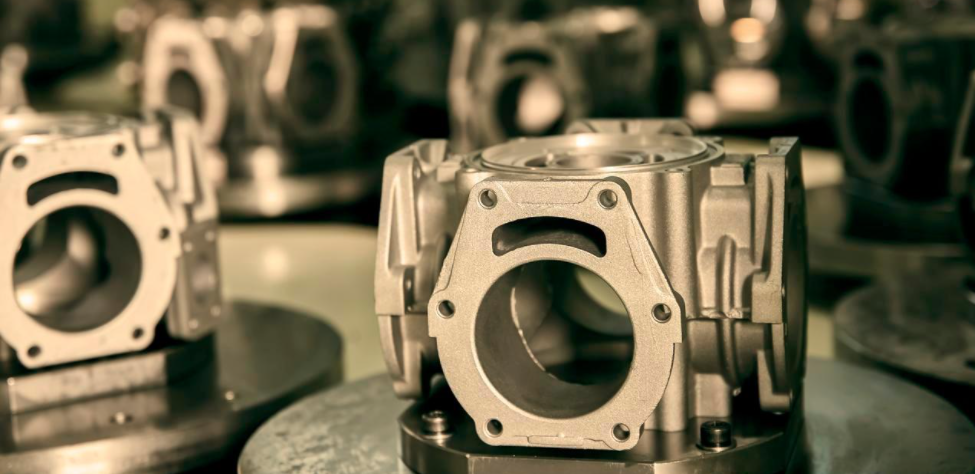
Aerospace components such as compressor housings and engine parts contain numerous complex outer cavities. It is essential to select materials with good anti-tool-wear properties.
Machining these cavities is highly time‑consuming and generates substantial material waste. The process also induces residual stress inside the parts, eventually causing warping and deformation, which further compromises dimensional tolerances and accuracy. Aerospace parts must possess strong wear-resistant characteristics to avoid such deformation errors.
Environmental Considerations
Demand in the aerospace industry fluctuates constantly depending on active aircraft in service and under maintenance.
These requirements must take environmental factors into account to prevent ecological damage.
The demand for certain components can disappear overnight, making it impractical to keep all parts in stock.
Companies need to partner with suppliers that offer fast turnaround, balancing lead time and budget while remaining environmentally responsible.
Zorapid Aerospace CNC Machining & Manufacturing Capabilities
Zorapid delivers a comprehensive range of CNC machining services with profound expertise in diversified manufacturing solutions and professional surface finishing.
Aerospace Machinists: Expertise & Experience
Zorapid provides one-stop CNC machining solutions for aerospace components, covering drawing review, design optimization, material selection, cost estimation, machining and assembly, quality inspection, and final delivery. Backed by extensive industry experience and professional know-how, we also offer reliable after-sales support for aerospace parts.
5-Axis CNC Machining Equipment & Technology
We support a wide selection of materials for CNC milled parts. Both small-batch and mass production are available to ensure premium surface finish and aesthetic appearance. Custom manufacturing of 5-axis CNC milling parts and CNC turning parts is also provided.
AS9100 Certified Machine Shop
Zorapid is a leading manufacturer specializing in aerospace CNC parts, CNC precision tuned components, CNC milled parts, and automotive turned parts. We also offer integrated services for stamping parts, sheet metal fabrication, and 3D printing.
Additive Manufacturing Integration
Zorapid integrates premium services for the production of aerospace CNC parts. Leveraging digital technology and industrial 3D printers, we fabricate prototypes and models for mold manufacturing, industrial design, and other related applications.
Sustainable Machining Practices
Zorapid adheres to sustainable machining practices, offering aerospace CNC machined parts, CNC precision components, CNC milled parts, and automatic lathe parts, among other manufacturing services.
Conclusion
Aerospace CNC machining is fundamentally used to produce precision machined components for the assembly and maintenance of aircraft and spacecraft.
Aerospace CNC machining demands extremely high precision throughout the manufacturing process. Achieving the tightest tolerances for both metal and plastic components provides robust, high-performance solutions for the aerospace industry.
CNC machining serves a wide range of applications, including the production of aerospace parts and assemblies, rocket components, and satellite components.
If you are looking for a reliable CNC machining partner, Zorapid delivers premium services with extensive expertise in CNC milling and precision manufacturing of aerospace parts.
For more information, visit: https://zorapid.com
FAQ
What is aerospace CNC machining?
Aerospace CNC machining is a custom manufacturing process that uses 3/5-axis precision CNC equipment to machine aerospace structural parts, engine components and aircraft housings, meeting strict tolerance, material compliance and safety standards.
Why does aerospace CNC machining require extremely high precision?
Aerospace parts are directly related to flight safety and withstand high temperature, high pressure and alternating loads. Tiny errors may cause hidden risks, requiring micron-level tolerance, fine surface finish and structural consistency.
Why does the aerospace industry prefer 5-axis CNC machining?
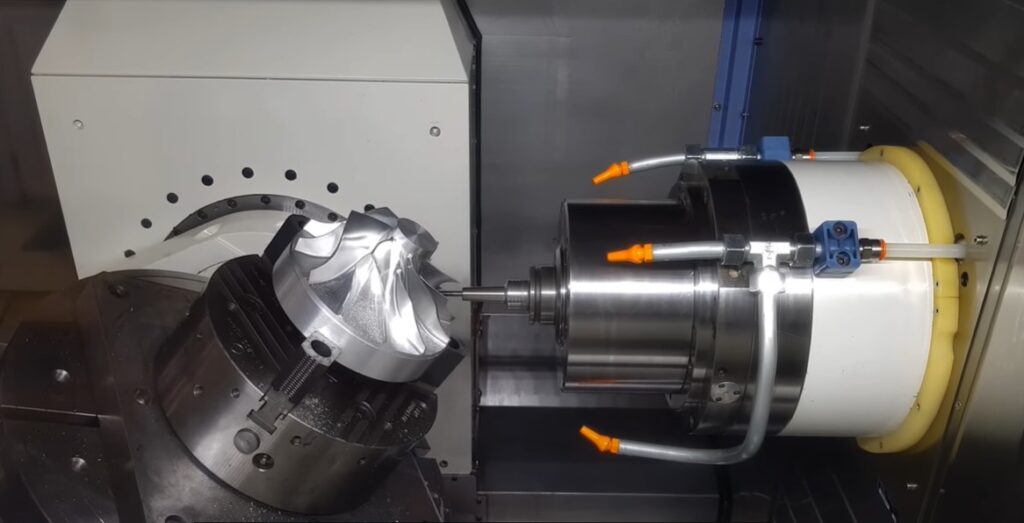
5-axis machining completes complex curved surfaces, impellers, cavities and multi-angle parts in one setup, reducing repeated clamping errors, improving positioning accuracy and shortening cycle time for complex aerospace profiles.
Is custom aerospace CNC machining available for low-volume R&D parts?
Available for one-off prototype and low-volume R&D production with no mold required, fully compliant with aerospace GD&T tolerances, material certification and inspection standards.