Published by Zorapid Precision
Ever wasted thousands of USD on rework because your mold polish turned out uneven, orange peel, tiny micro scratch or failed SPI A1 mirror spec? Most mold buyers struggle with two big headaches: unclear global polishing standards leading to mismatched finished surface & uncontrolled unexpected polishing cost blowout. Many regular mold shops even turn down ultra-mirror, deep narrow groove, complex 3D curved cavity polishing jobs directly. Today Zorapid drops a full practical guide covering global polish specs, core polishing tech, material comparison, real field cases, cost saving tricks, industry data & delivery rules to help you lock polish quality & slash hidden polishing cost permanently.
Professional Polishing Technology Analysis | Traditional VS Zorapid Exclusive Process
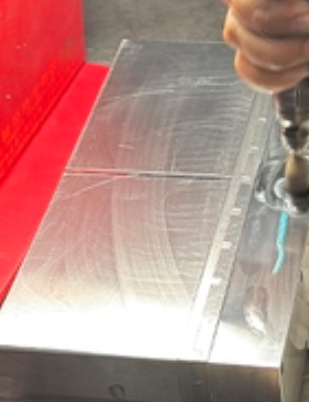
Common Defects & Bottlenecks of Conventional Mold Polishing
Regular manufacturers mainly rely on full manual sandpaper + diamond paste sequential polishing, 4 core unavoidable flaws restricting high-spec polish:
- EDM recast layer incomplete removal: EDM spark leaves 0.01~0.03mm hard brittle recast skin; skipping full stripping leads to later pitting, pinhole after polish, impossible hit SPI A1/A2 mirror finish。
- Over-polish & contour distortion: Manual uneven pressure easily causes over-cut on sharp corner/curved surface, mold cavity dimension out of tolerance, molded product flash or size deviation; complex deep ribs, 0.3~1mm narrow slot almost unpolishable by hand。
- Uncontrolled ambient temperature: No constant-temp polish workshop, steel thermal expansion changes polishing removal volume, resulting in inconsistent gloss on same cavity surface。
- Random skipping polishing grit steps: Rush production skips intermediate sandpaper mesh, residual coarse scratch buried under fine polish, scratch exposed after molding thousands of parts。
Zorapid All-in-one Hybrid Polishing Solution
We combine Pre-CNC ultra-fine milling + Ultrasonic precision polish + Electropolishing + Automated mechanical lapping + Constant-temp (±1℃) polish workshop + step-by-step grit standardized SOP, solving all hard-to-polish structure problems others reject:
- Pre-finish control: Five-axis CNC finish mold base down to Ra≤0.8μm before polish, reduce manual polishing removal volume over 70%, avoid over-polish dimensional shift; only leave micro finishing work for polishing section。
- Deep narrow rib / tiny slot: High-frequency ultrasonic micro-abrasive polishing, reach inner corner SPI B1~A3 finish where hand tools can’t reach at all。
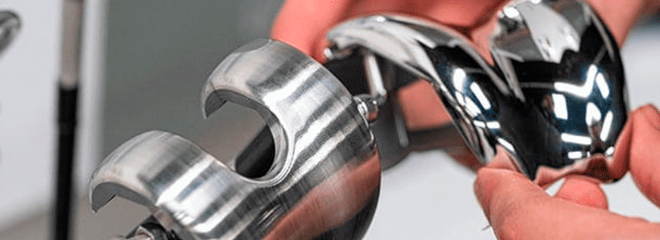
- Ultra-mirror SPI A1 (Ra≤0.025μm): ESR refined steel + layered diamond buff from 15μm→9μm→3μm→1μm diamond compound under constant temp, zero swirl mark, zero orange peel, full mirror reflection。
- Complex free-form curved cavity: Automated numerical control lapping, uniform polishing pressure all over surface, consistent gloss without partial dull spot。
Contrast Table: Traditional VS Zorapid Polishing Outcome & Cost Difference
| Item | Ordinary Factory Manual Polishing | Zorapid Standardized Hybrid Polishing |
|---|---|---|
| Achievable Top Spec | SPI A2 max, frequent scratch | Stable SPI A1 (Ra0.008~0.025μm) |
| Deep slot/inner rib capacity | Unprocessable below 1mm width | Full polish down to 0.25mm narrow groove |
| Polishing Yield | 70~82%, high rework rate | ≥98.5% zero rework |
| Unit Polishing Labor Cost | Baseline 100% | Cut 22~35% via pre-CNC optimization |
| Lead Time per Cavity | 7~12 working days | 3~6 working days |
Global Mainstream Polishing Standard Definition
- SPI US Standard (Most used for US consumer/medical mold) A1/A2/A3: High mirror gloss (Ra0.008~0.075μm, cosmetic piano black, optical transparent mold) B1/B2/B3: Medium high gloss (Ra0.05~0.2μm, electronics shell) C/D: Semi-matte & matte surface (Ra0.4~16μm, general industrial housing)
- VDI3400 German Standard (EU automotive preferred) VDI12~18 fine polish; VDI24+ matte texture finish, directly matched with SPI conversion for global cross-regional project.
Applicable Mold Steel Grades + Material Polishing Performance Comparison
Zorapid runs polish validation on 12 mainstream mold steels, below core data for cost & polish grade selection reference:
| Steel Grade | Hardness | Max Reachable Polish Spec | Core Advantage | Polishing Cost Factor | Typical Usage |
|---|---|---|---|---|---|
| S136 / STAVAX ESR | HRC48~52 | SPI A1 (Ra≤0.02μm) | Anti-corrosion, ultra-low inclusion, no pinhole after high polish | +85~120% vs P20 | PMMA/PC transparent optical, medical food-grade mold |
| NAK80 Prehard | HRC38~42 | SPI A2 | No heat treatment needed, stable polish, good weld repair | +35~50% vs P20 | Medium-high gloss cosmetic housing |
| P20 / 718H | HRC28~32 | SPI A3/B1 | Low raw cost, easy machining | Baseline cost | General matte/semi-gloss daily goods mold |
| H13 Hot Work Steel | HRC50~54 | SPI A2(max) | High wear resistance for glass-filled plastic | +60% vs P20 | High-cycle automotive structural mold |
Cost Tip: Choose right steel first per required polish grade; specify A1 finish on P20 leads to impossible polish + 200% unexpected overspend。
Real Customer Case Study with Actual Mold Photos
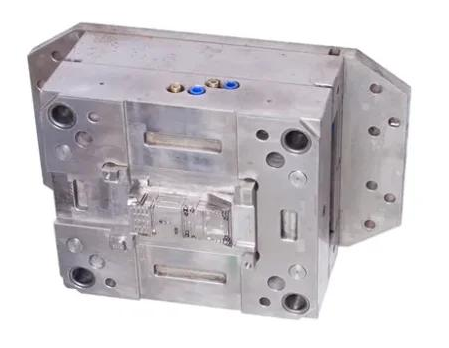
Case1: EU Medical OEM PMMA Lens Mold (S136 ESR)
Requirement: SPI A1 full mirror finish Ra≤0.02μm, no micro pinhole, molded lens 92%+ transmittance; 2 prior suppliers failed with surface pitting, polish cost overrun 40%。
Industry Difficulty: ESR S136 ultra-mirror needs full recast removal + layered fine diamond buff, most workshops skip fine grit steps to save labor。
Zorapid Solution: Pre five-axis fine mill → full recast stripping → 4-stage diamond polish under ±1℃ constant temp; free DFM steel grade pre-check in early design phase to avoid wrong material selection cost waste。
Result: Pass EU medical visual inspection, polish cost saved 28% vs previous vendor, annual repeat bulk mold order 22 sets。
Case2: US Automotive Interior Piano Black Shell Mold (NAK80)
Spec: SPI A2 high gloss, complex deep rib 0.4mm width inner wall uniform polish; competitors can’t polish inner ribs, forced to change product structure causing client component redesign cost。
Our Tech: Ultrasonic inner groove targeted polishing, no product revision needed, finished mold delivered 4 days ahead of schedule。
Global Application Fields with On-site Pictures
Medical & Food-Grade Molding
Transparent syringe shell, medical implant outer casing, food container PMMA lens mold; strict SPI A1/A2 polish to avoid plastic residue & bacterial hiding gap。
Automotive Cosmetic Parts
Piano black center console panel, lamp transparent lens, interior trim high-gloss mold; VDI+SPI dual standard polish for consistent batch appearance。
Consumer Electronics
Smartphone front shell, cosmetic bottle transparent cover, home appliance high-gloss panel; A/B series polish controls product surface scratch & molding flow mark。
Industrial Precision & Optical Mold
Optical sensor lens, semiconductor plastic jig, precision pump housing; ultra-low Ra mirror polish guarantee component assembly precision。
Global Mold Polishing Market Data + Future Trend Analysis with Data Table
Global Precision Mold Polishing Market Size 2024–2030 (Unit: Billion USD)
| Year | Global Total Market | Medical Mold Share | Auto Cosmetic Mold Share | Consumer Electronics Share | Annual CAGR |
|---|---|---|---|---|---|
| 2024 | 39.2 | 11.7 | 15.3 | 12.2 | 7.2% |
| 2027 | 48.9 | 15.2 | 18.8 | 14.9 | 7.0% |
| 2030 | 59.7 | 19.1 | 22.6 | 18.0 | 7.3% |
Three Core Future Industry Trends
- Mirror polish demand rises rapidly: Medical/optical OEM upgrade polish from SPI A2→A1 year by year; outdated full-manual polish factories eliminated gradually due to unstable quality & high cost。
- Automated + ultrasonic hybrid polish becomes mainstream: Manual labor cost keeps climbing in EU/US, standardized composite polishing cuts labor expense to become mainstream cost-saving solution。
- Global sourcing shift: Western clients outsource high-spec polishing to verified Asian precision manufacturers like Zorapid to slash overall mold polishing cost 30~45%。
Polishing Delivery Lead Time + In-house Workshop Real Shot
Most conventional polish vendors spend 8~15 working days for SPI A1 single cavity polish; Zorapid standardized full in-house polishing workshop cuts cycle drastically:
- Matte/Semi-gloss (SPI C/D/VDI20+): 1~3 working days per cavity
- Medium Gloss SPI B1~B3: 3~5 working days
- Ultra-mirror SPI A1/A2 high-spec: 5~7 working days
Why fast turnaround? 3000㎡ self-owned polish workshop, full set ultrasonic/CNC lapping equipment, no outsourced third-party polishing delay; all polishing operators follow fixed grit-step SOP without random schedule chaos。
Core Benefits to Choose Zorapid for Mold Polishing & Cost Control
- Master unprocessable complex structure polish (narrow deep rib, tiny slot, freeform curve) others decline, stable SPI A1 top mirror standard with ≥98.5% pass rate。
- Free pre-project DFM polish & steel grade optimization consultation: adjust material & polish spec at drawing stage, avoid wrong selection causing 30%+ hidden cost overrun。
- Constant-temperature dedicated polish workshop eliminates temperature-caused gloss inconsistency & rework cost。
- Tiered fixed polish pricing per SPI/VDI grade, transparent cost breakdown, no hidden extra polishing charge mid-project。
- In-house full process from CNC pre-finish to final diamond buff, cut total polishing expense 22~35% vs pure-manual polish suppliers。
- Full inspection via roughness tester + SPI standard plaque before delivery, provide official polish inspection report for client QC audit。
- Flexible order: small single-cavity prototype → multi-cavity mass mold polishing all acceptable。
- 20+ years senior polish engineer team with EU/US mold project experience, familiar with SPI & VDI dual global standards。
Article Summary
Unclear polish standard & improper material selection are the top two reasons of polishing cost out of control and failed surface quality. Traditional full-manual polishing can’t keep pace with rising high-gloss medical/auto/optical mold requirement, while Zorapid’s pre-CNC + ultrasonic + automated hybrid polishing system solves polish defect, hard-structure processing & cost overspend three major industry pain points in one set solution. When you lock polish spec & steel grade at early design stage with our free DFM suggestion, you can permanently avoid unexpected rework expense & schedule delay. Send your 3D mold drawing anytime for free polish feasibility review & accurate cost quotation.
FAQ
Can you convert SPI standard to VDI3400 for EU projects directly?
Yes, our engineer owns mature SPI↔VDI conversion table, we mark unified polish requirement on drawing to avoid cross-standard misunderstanding.
Is free DFM polish optimization really no hidden fee?
100% free before formal order; we adjust steel grade or downgrade unnecessary ultra-high polish spec reasonably to help you cut cost without hurting finished molded part appearance.
How do you guarantee SPI A1 mirror no scratch after mass polishing batch?
Strict sequential grit polishing rule (never skip any sandpaper/diamond paste mesh) + constant temp environment + random Ra spot check with roughness gauge per piece before shipment.
If I already finished rough mold by another factory with bad EDM surface, can Zorapid fix & re-polish to A1?
Yes, we add targeted recast layer removal process to fix defective base surface then finish high-spec polish, provide targeted rework cost quote separately.
What’s your extra cost for PVD/plating after polishing?
We cooperate with certified surface treatment factory in-house linked, can offer bundled polish+plating preferential package to save extra outsourcing cost.