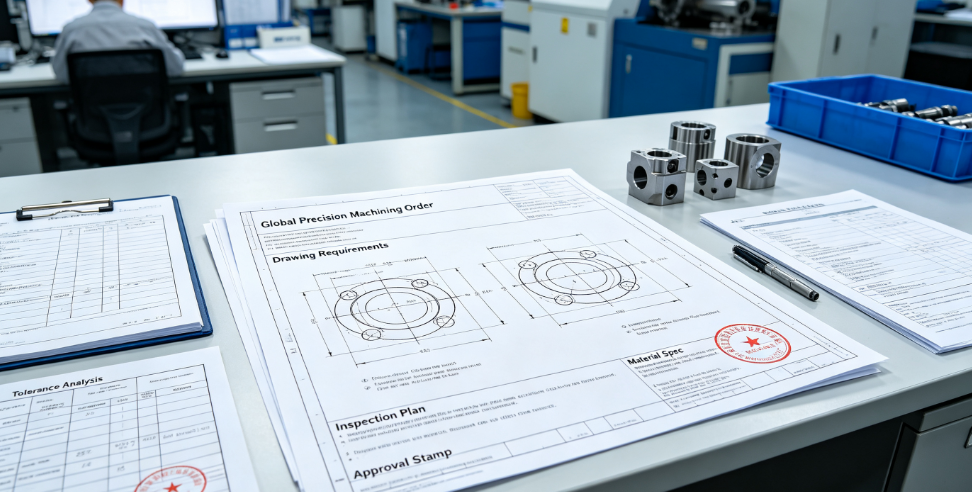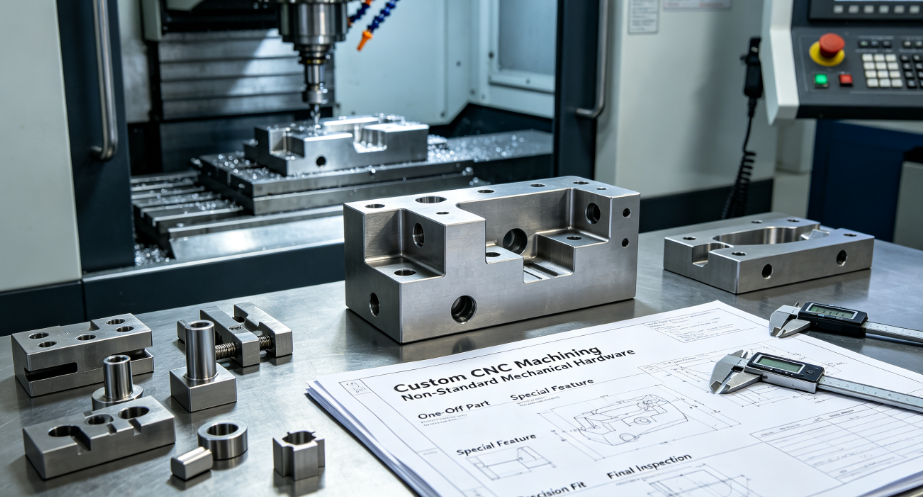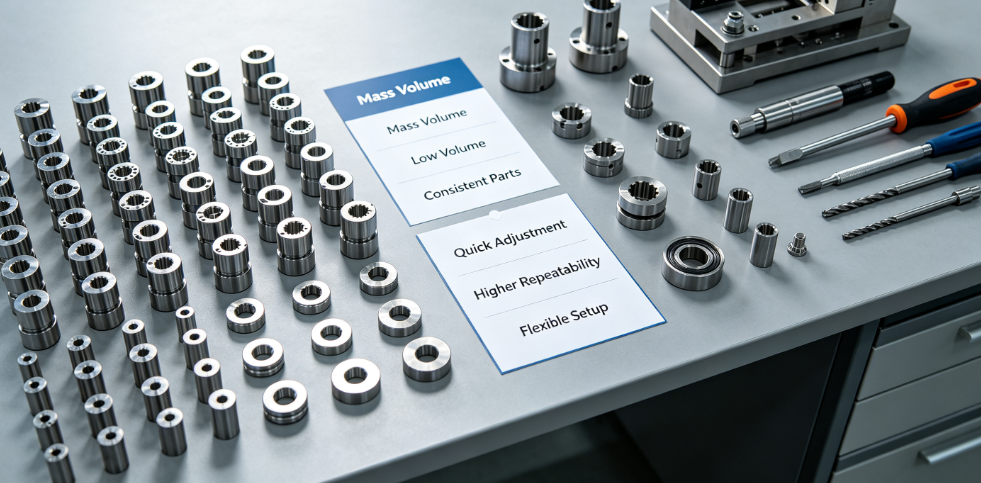
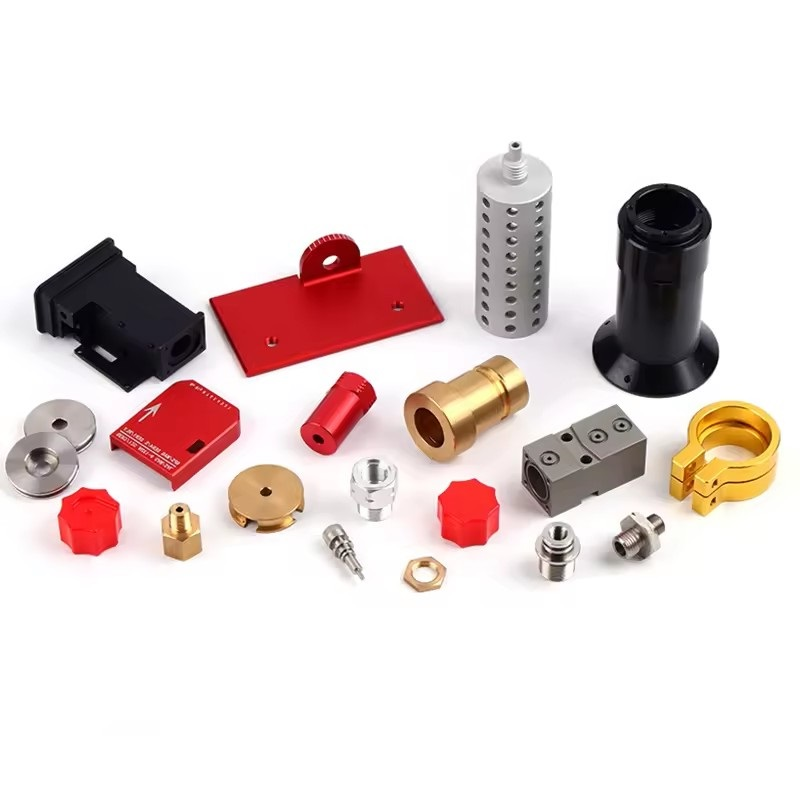
Strict tolerances are essential for high-precision manufacturing. Whether you are engaged in aerospace, automotive, or medical equipment industries, achieving tight tolerances ensures superior performance and extended service life of parts.
This covers the definition of strict tolerances, their importance in part design and complexity, material selection, and the role of tooling, helping you better understand the practical implications of tight tolerances.
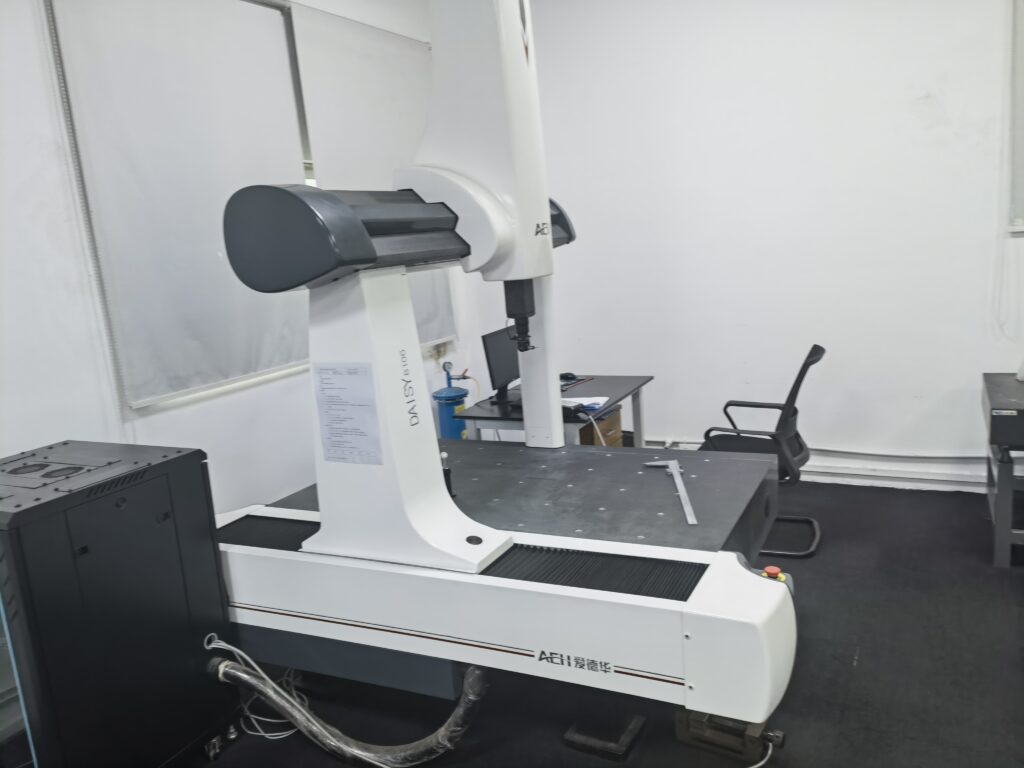
What is the Tightest Tolerance?
Tight tolerance refers to stringent limits on dimensional deviations of parts during the manufacturing process. Controlling these deviations ensures components meet specifications and deliver intended functionality and performance. In industries such as aerospace, even the slightest error may lead to failure, making tight tolerances absolutely critical.
Meaning of Tight Tolerance
A tight tolerance means maintaining the minimal margin of error throughout production. This is especially vital for components with critical functions, as deviations as small as ±0.01 mm can result in malfunction. Ball bearings used in jet engines must adhere to tight tolerances to avoid vibration and excessive wear.
Tight Tolerance Ranges and Examples
The range of tight tolerances varies by industry and application. Below are common examples:

Why Are Tight Tolerances Important in Manufacturing
Tight tolerances are critical for improving product performance and ensuring reliability. In precision industries such as aerospace and medical devices, even minor deviations can cause part failure and compromise safety and functionality. Tight tolerances also reduce the likelihood of rework, effectively lowering long-term production costs.
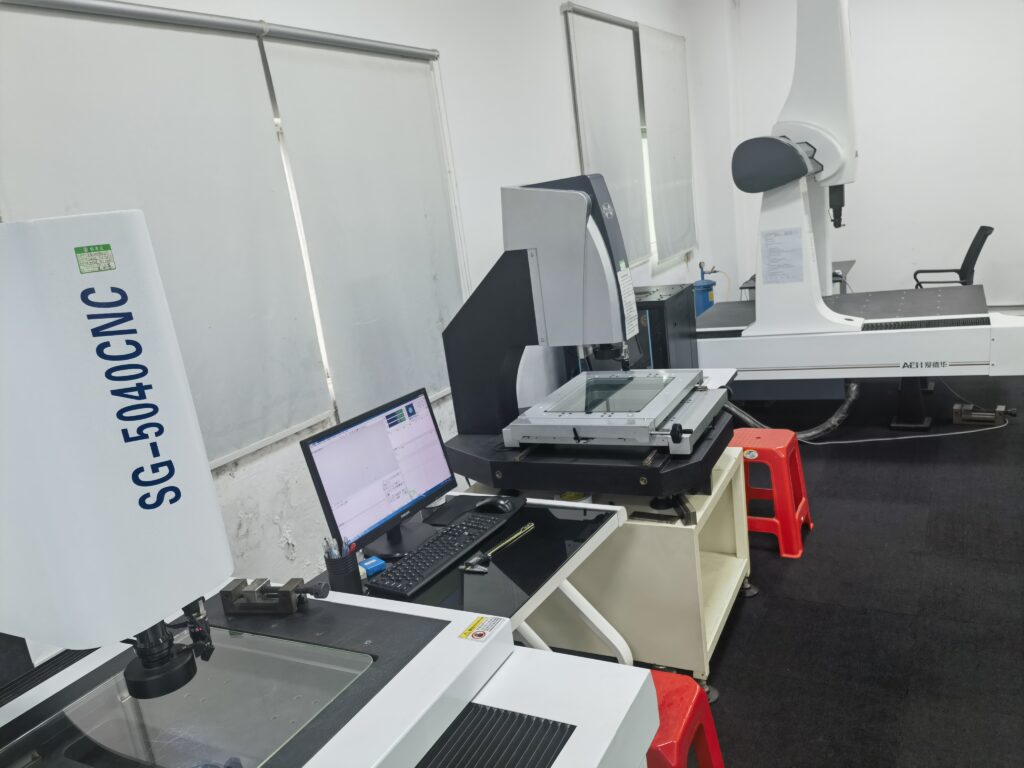
Part Design and Complexity
The complexity of part design plays a vital role in determining achievable tolerances. As designs become increasingly intricate, factors such as material deformation and process variation make it more challenging to maintain tight tolerances. Designers must strike a balance between complexity and manufacturability.
Impact of Complex Geometry on Tolerances
Parts with complex geometric features, such as inner cavities and thin walls, are more difficult to machine to tight tolerances. Complex shapes often require multi-axis machining or custom tooling, which can introduce process variations. Thin-wall components in aircraft must maintain strict tolerances to avoid deformation under pressure, yet such designs are challenging to manufacture with high accuracy.
Tolerance Stack-Up in Design
Tolerance stack-up refers to the accumulation of small dimensional variations within an assembly. Every individual tolerance contributes to the overall deviation of the final product. To manage tolerance stack-up, designers apply tighter control to critical features while allowing looser tolerances on non-critical areas.
Tolerance Fit and Functionality
Tolerance fit defines how closely mating parts assemble together. Tighter fits can enhance product performance but also increase manufacturing costs. Functionality should always determine the required tolerance level. In cases where performance is unaffected, looser tolerances are acceptable. Cosmetic parts may allow more relaxed tolerances, whereas functional components demand precise, tight fits.
How Tight Should Tolerances Be?
The tightness of a tolerance depends on the specific application. Tight tolerances are generally applied to high-precision components where fit, functionality and safety are critical. Specifying unnecessarily tight tolerances may increase costs without practical need. It is essential to define an appropriate tolerance level based on part functionality and cost constraints.
Determining the Appropriate Tolerance Level
The best way to set tolerance levels is to balance part function with manufacturability. For critical components such as engine parts, tight tolerances ensure proper fitting and performance. For non-critical parts like housing covers, looser tolerances are more cost-effective while remaining fully functional.
Tight vs Loose Tolerances: A Cost Perspective

Material Selection for Tight Tolerances
Material selection is critical for achieving tight tolerances. Different materials respond differently to machining and environmental conditions. Hard materials such as steel alloys can maintain tighter tolerances than softer materials like plastics.
View our full material guide: https://zorapid.com/materials
Importance of Material Properties
Material properties — including hardness, thermal expansion, and machinability — directly impact machining precision. Materials with high thermal expansion, such as aluminum, may experience dimensional changes during machining or temperature fluctuations.
Materials Suitable for Tight Tolerances
Certain materials are better suited for high-precision manufacturing:
- Aluminum: Lightweight and easy to machine, yet prone to thermal expansion with temperature changes.
- Titanium: Offers an excellent strength-to-weight ratio, making it ideal for aerospace applications requiring tight tolerances.
- Steel Alloys: Highly durable and capable of maintaining extremely tight tolerances, widely used in automotive and heavy machinery industries.
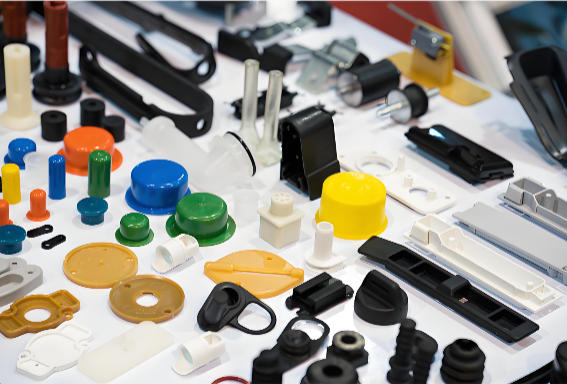
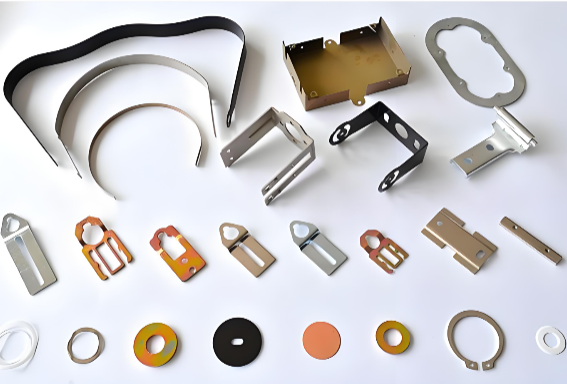
Tooling for Meeting Tight Tolerance Requirements
Proper tooling is critical to achieving tight tolerances. Precision equipment such as CNC machines, EDM (Electrical Discharge Machining), and laser cutting systems enable manufacturers to produce high-precision parts.
Precision Machining Technologies
Several precision machining technologies are commonly adopted in high-accuracy manufacturing:
- CNC Machining: Delivers high precision with tight tolerances down to ±0.002 mm.
- Wire EDM: Enables complex geometries and tight tolerances, widely used for metal cutting.
- Laser Cutting: Achieves precise cutting for thin materials, ideal for sheet metal parts with strict tolerance requirements.
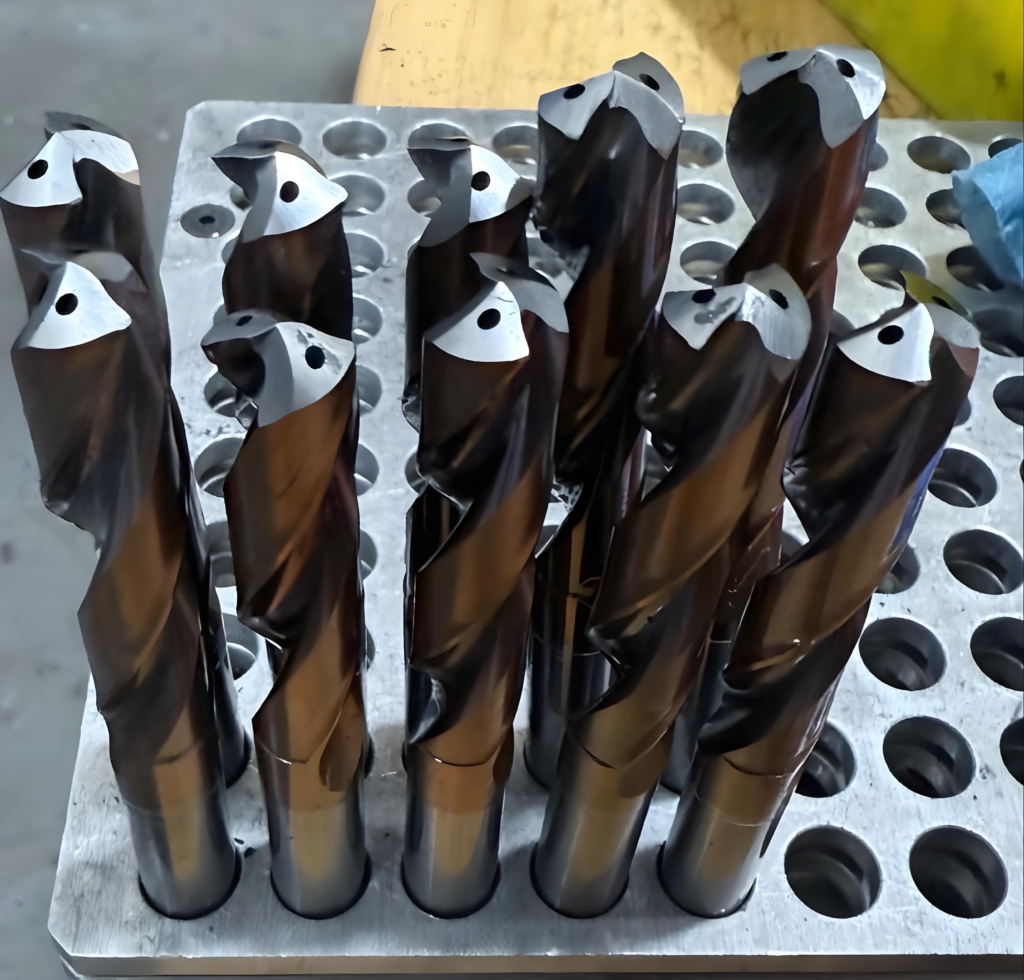
Tool Wear and Maintenance
Tool wear is a key factor in maintaining tight tolerances. Tools wear out over time, resulting in dimensional inaccuracies. Regular maintenance and calibration are essential to keep tools operating at optimal performance.
Process Design and Control
Maintaining tight tolerances throughout the entire production process requires careful process planning and control. Variables such as machine precision, operator skill, and environmental conditions can all affect tolerance accuracy.
Process Planning for Tight Tolerances
In process planning, factors including toolpaths, machine settings, and quality control inspections must be elaborately designed. Ensuring proper machine calibration and correct material handling helps sustain tight tolerances.
Process Monitoring and Adjustment
Real-time monitoring of the manufacturing process allows immediate adjustments whenever tolerance deviations occur. This includes tracking temperature, humidity, and machine performance to prevent any departure from design specifications.
Partner with Zorapid for High-Quality Components
Partnering with Zorapid grants you access to expert engineering support, world-class materials, and cutting-edge manufacturing technologies. With a proven track record of producing high-quality, high-precision parts, we help turn your designs into reality efficiently and cost-effectively. Learn more: https://zorapid.com. Discover how our expertise in tight tolerances can support your manufacturing requirements.
FAQ
What precision can tight tolerance machining achieve?
Standard precision ±0.02mm, ultra-tight tolerance up to ±0.005mm, fully compliant with GD&T, concentricity, parallelism and perpendicularity requirements.
Which industries require tight tolerance machining?
Aerospace, medical devices, semiconductor equipment, automotive powertrain, precision instrumentation, hydraulic valves and robotic components.
How does Zorapid guarantee tight tolerance and premium quality?
We use 5-axis precision machines, separated roughing & finishing, stress relief, premium tools, temperature-controlled workshop and CMM full inspection for full traceable quality control.
Is tight tolerance customization available for small-batch prototypes?
Available from 1 piece prototype to low-volume production. We customize per drawing GD&T and tight tolerance requirements with stable lead time and guaranteed accuracy.