What is electroplating?
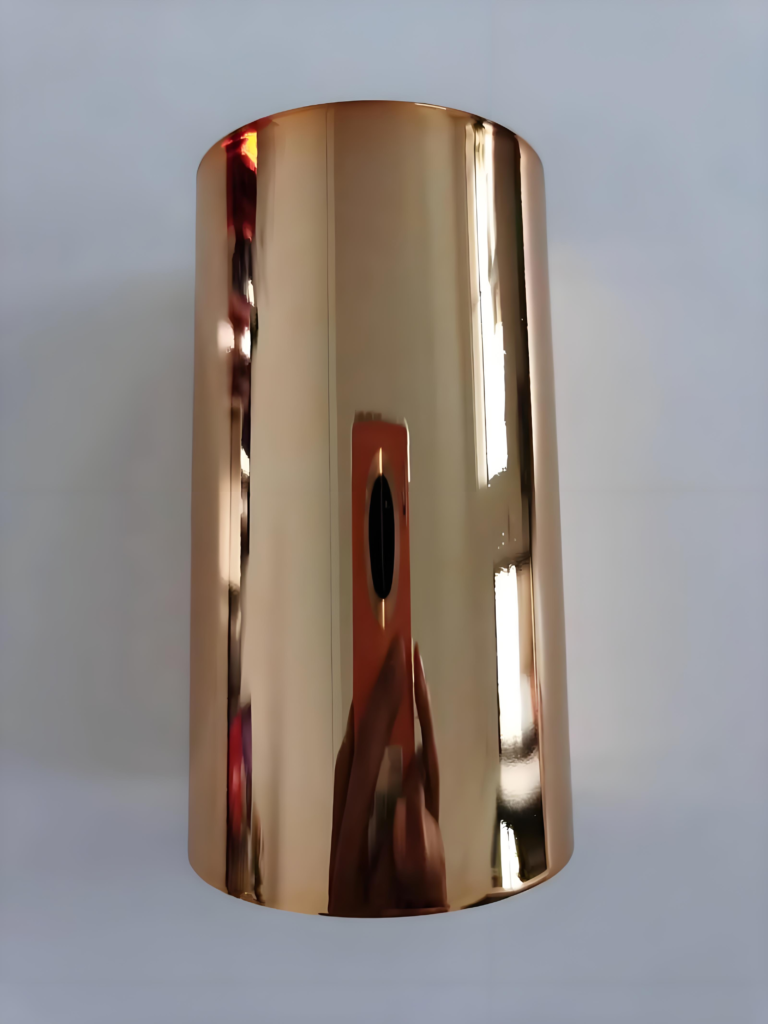
Electroplating uses electrolysis to deposit metals or alloys onto workpiece surfaces, creating a smooth, dense, strongly bonded metal layer. It boosts surface hardness, wear resistance and corrosion protection, while also improving visual finish.
The process generally requires the following basic conditions:
Electroplating needs an electrolyte with salts of the target plating metal — gold salts for gold plating, silver salts for silver plating, copper salts for copper plating. When current flows through the solution, metal ions reduce and deposit onto the workpiece surface.
The control of electric current and voltage is also critical in electroplating. Appropriate current intensity and voltage directly affect the uniformity, quality and thickness of the deposited coating. Excessively high current will result in a rough coating, while excessively low current may fail to form any plating layer at all.
Electroplating uses two electrodes: anode and cathode. The anode supplies the plating metal, and the cathode is the workpiece. With electric current, metal ions move from the electrolyte to the cathode, reduce to solid metal, and build up layer by layer.
When current passes through the electrolyte, metal ions reduce and bond to the workpiece surface. This is the core principle of electroplating.
Types of Electroplating
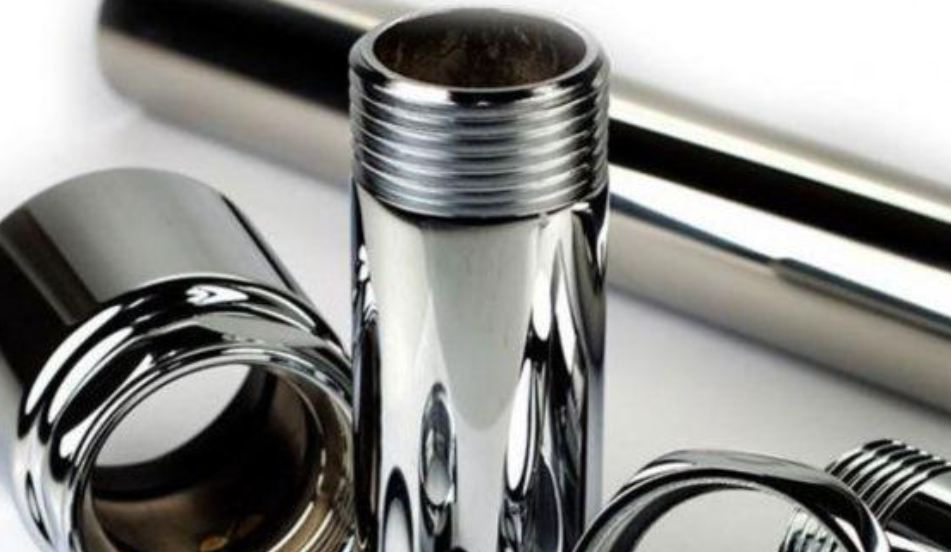
Chromium Plating
Chromium is a silvery-white metal with a slight sky-blue tint. It possesses strong passivation performance and quickly passivates in the atmosphere, exhibiting properties similar to noble metals. The chromium plating layer on iron parts acts as a cathodic coating.
The chromium coating is highly stable in the atmosphere and can maintain its luster for a long time. It remains exceptionally stable in corrosive media such as alkalis, nitric acid, sulfides, carbonates, and organic acids, yet it can dissolve in hydrohalic acids like hydrochloric acid and hot concentrated sulfuric acid.
Chromium plating delivers high hardness, great wear resistance, high reflectivity and solid heat resistance. It keeps its luster and hardness stable under 500°C, starts oxidizing and discoloring above 500°C, and only softens over 700°C. With excellent overall performance, it’s widely used for protective decorative top coats and functional engineering coatings.
Copper Plating
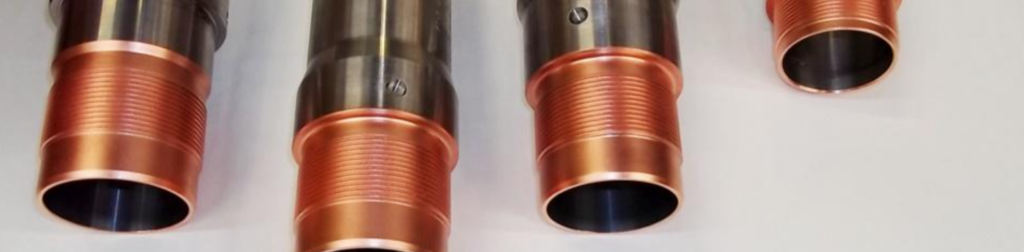
Copper plating is pink and soft, with outstanding ductility, electrical and thermal conductivity. It polishes easily, and can be chemically finished into antique bronze, patina green, black and natural copper decorative tones.
Copper plating tends to lose its luster easily in the air. When reacting with carbon dioxide or chlorides, a film of basic copper carbonate or copper chloride will form on the surface. It will turn into brown or black copper sulfide under the effect of sulfides. Therefore, an organic protective coating needs to be applied on the surface of decorative copper plating layers.
Zinc Plating
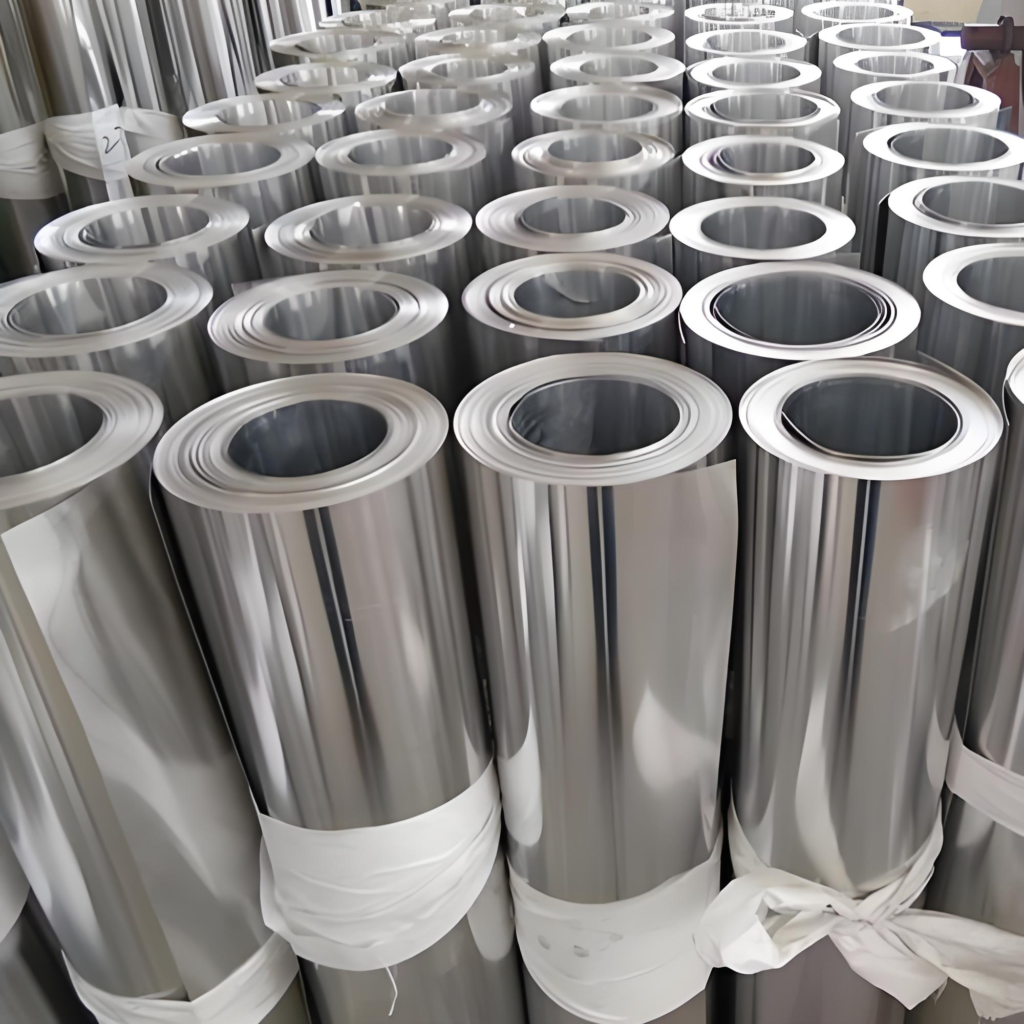
Zinc is soluble in both acids and alkalis, so it is known as an amphoteric metal. In humid air, a film of basic zinc carbonate will form on the zinc surface.
Zinc exhibits poor corrosion resistance in atmospheres containing sulfur dioxide, hydrogen sulfide and marine salt-laden air. Especially in high-temperature and high-humidity environments with organic acids, zinc coatings are extremely prone to corrosion.
The standard electrode potential of zinc is -0.76V. For steel substrates, zinc plating serves as an anodic protective coating, which is mainly used to prevent steel corrosion. Its protective performance is highly dependent on the thickness of the zinc coating.
After passivation, coloring, or coating with a brightener, zinc plating exhibits significantly improved corrosion protection and decorative performance. With the development of galvanizing technology and the adoption of high-performance brighteners, zinc plating has evolved from purely protective uses to protective-decorative applications.
Galvanizing baths fall into two categories: cyanide baths and cyanide-free baths.
- Cyanide baths are classified as micro-cyanide, low-cyanide, medium-cyanide, and high-cyanide.
- Cyanide-free baths include alkaline zincate, ammonium salt, sulfate, and ammonia-free chloride baths.
Cyanide zinc plating offers excellent throwing power and produces smooth, fine coatings, so it has long been used in manufacturing. However, due to the high toxicity of cyanide and severe environmental pollution, the industry has shifted toward low-cyanide, micro-cyanide, and cyanide-free galvanizing solutions.
Nickel Plating
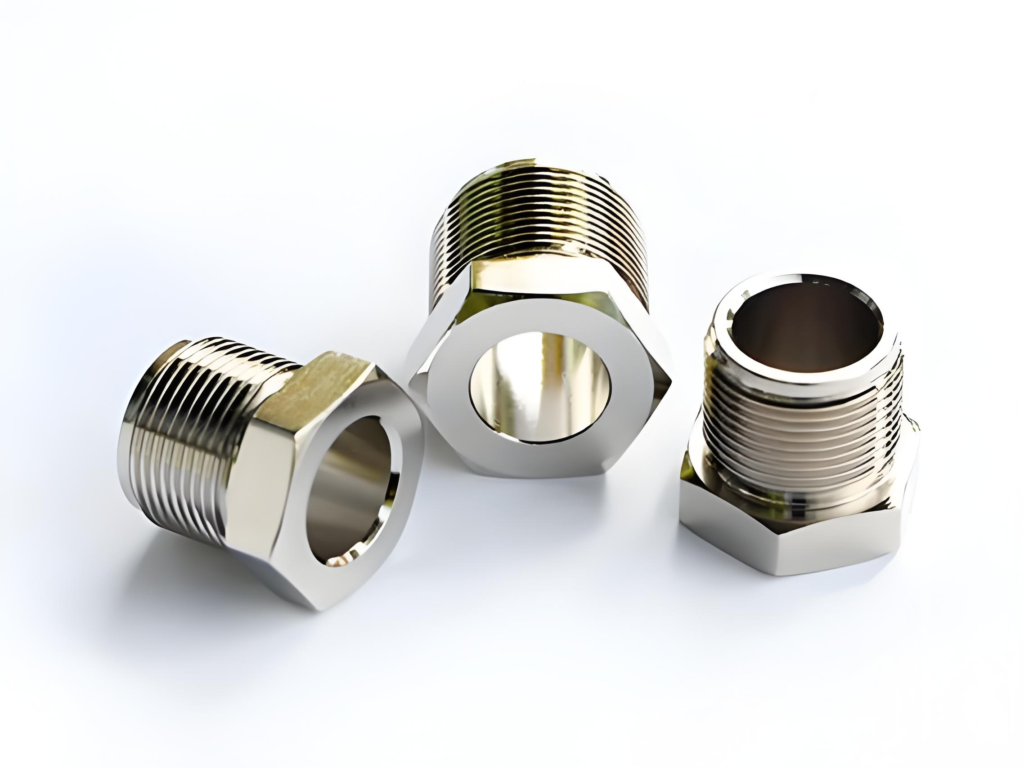
The nickel plating layer boasts high stability in the atmosphere. Metallic nickel has a strong passivation capability, which can rapidly form an ultra-thin passivation film on the surface to resist corrosion from the atmosphere, alkalis and certain acids.
Electroplated nickel features extremely fine crystal structure and excellent polishing performance. The polished nickel plating layer can achieve a mirror-like glossy appearance and maintain its luster for a long time in the atmosphere. Therefore, nickel electroplating is widely used for decorative purposes.
Nickel plating has relatively high hardness and can improve the wear resistance of product surfaces. In the printing industry, nickel plating is commonly used to increase the surface hardness of lead components.
Metallic nickel offers high chemical stability. Thicker nickel plating layers are widely applied on chemical equipment to protect against corrosion by various media.
Nickel plating is also extensively used for functional purposes. It can repair worn and corroded parts through selective local electroplating using brush plating technology. With electroforming processes, nickel plating is used to manufacture electroformed printing plates, record molds and other molds. Thick nickel plating layers possess good wear resistance and are adopted as wear-resistant coatings.
In recent years, composite electroplating has been developed to embed wear-resistant particles into nickel coatings, delivering greater hardness and wear resistance than standard nickel plating. Using graphite or fluorinated graphite as dispersed particles creates nickel composite coatings with excellent self-lubricating performance, ideal for lubrication applications.
Black nickel plating also finds wide application as coating layers for optical instruments and decorative surface finishes.
Nickel plating
Nickel plating has a wide range of applications. It can be used as a protective and decorative coating on the surfaces of steel, zinc die castings, aluminum alloys and copper alloys, protecting the base materials from corrosion or providing a bright decorative finish. It is also commonly adopted as an intermediate underlayer for other coatings; a thin layer of chromium or imitation gold is further plated on top to achieve better corrosion resistance and a more attractive appearance.
In functional applications, nickel plating with a thickness of about 1~3 mm is applied to parts in special industries for repair purposes. It is increasingly widely used in fields such as continuous casting crystallizers, molds for electronic component surfaces, alloy die-casting molds, complex-shaped aerospace engine parts, and the manufacturing of micro electronic components.
Gold Plating
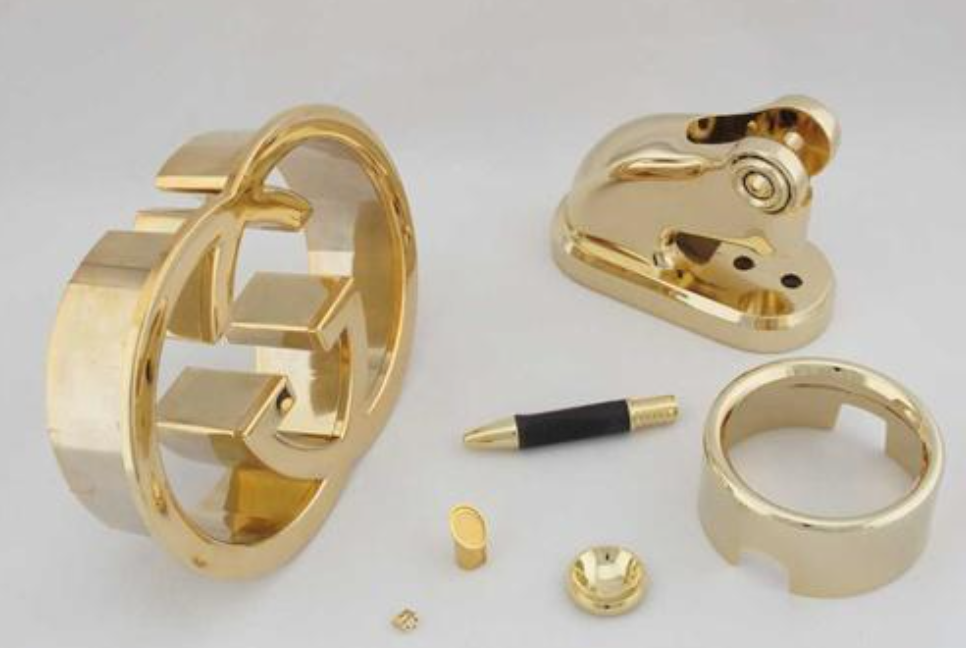
Gold plating features strong corrosion resistance, excellent electrical conductivity, good solderability and high temperature resistance. It also delivers moderate wear resistance (such as hard gold doped with a small amount of other elements) and outstanding tarnish resistance. Gold alloy coatings come in a variety of tones, and gold plating on silver can prevent discoloration. In addition, the gold coating has good ductility and is easy to polish.
It is commonly used as a decorative coating for jewelry, clock and watch parts, artworks and other items. It is also widely applied to electroplate parts requiring long-term stable electrical performance, such as precision instruments and meters, printed circuit boards, integrated circuits, electronic tube shells and electrical contacts. However, due to the high price of gold, its application is limited to a certain extent.
Silver Plating
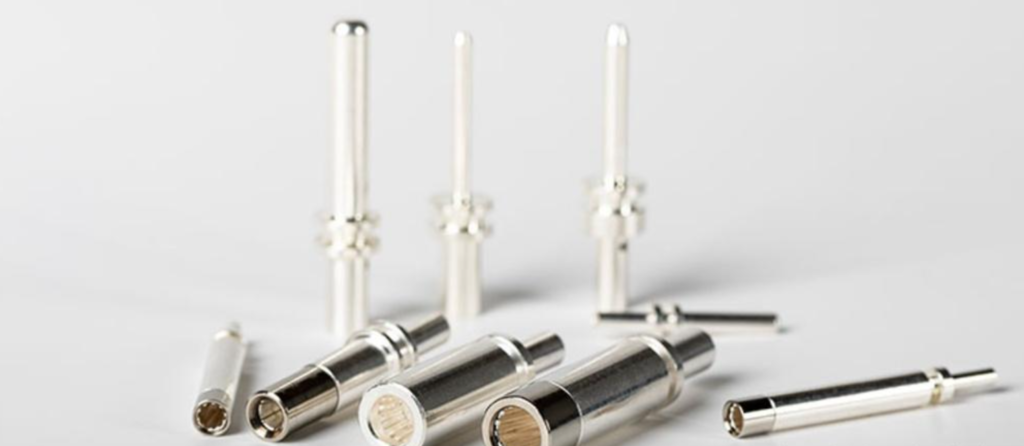
Silver plating is relatively soft in texture and can withstand bending and impact. It features excellent electrical conductivity, thermal conductivity, solderability and oxidation resistance, as well as high light reflectivity. Silver plating is mainly used in scenarios that require high conductivity, stable contact resistance or high reflectivity, and can prevent adhesion between parts operating at high temperatures.
Silver plating is widely applied in the manufacturing industries of electrical appliances, instruments, meters and lighting fixtures. When silver-plating copper or copper alloy workpieces, degreasing and rust removal must be carried out first. Next, apply a thin pre-silver layer or immerse the workpiece in a solution formulated with mercuric chloride for mercury treatment to form a mercury film on the surface. The workpiece is then used as the cathode and a pure silver plate as the anode, immersed in potassium silver cyanide electrolyte prepared from silver nitrate and potassium cyanide for electroplating.
Cyanide-free silver plating is also adopted in electrical and instrument industries. The plating solution uses thiosulfates, sulfites, thiocyanates, ferrocyanides and other raw materials. To prevent discoloration of the silver coating, post-plating treatment is generally required, mainly including bright dipping, chemical and electrochemical passivation, plating with precious or rare metals, or applying protective cover coatings.
FAQ
What are the advantages of alloy electroplating over ordinary single-metal electroplating?
Alloy plating layers outperform ordinary single-metal plating in corrosion resistance, hardness, high temperature resistance and wear resistance. For example, zinc-nickel plating has far better salt spray resistance than conventional zinc plating, and is widely used in automotive and aerospace precision parts.
What is the function of multi-layer electroplating?
The bottom layer of copper/nickel acts as a base to level the surface and enhance adhesion. The surface layer of nickel/chromium provides decoration and anti-corrosion protection. It solves the defects of single-layer plating such as rough surface, large porosity and easy rusting.
Is electroplating the same as anodizing?
No. Electroplating deposits an external metal layer on the workpiece surface; anodizing forms an oxide film inherently on the aluminum surface. They are completely different in process, principle and appearance.