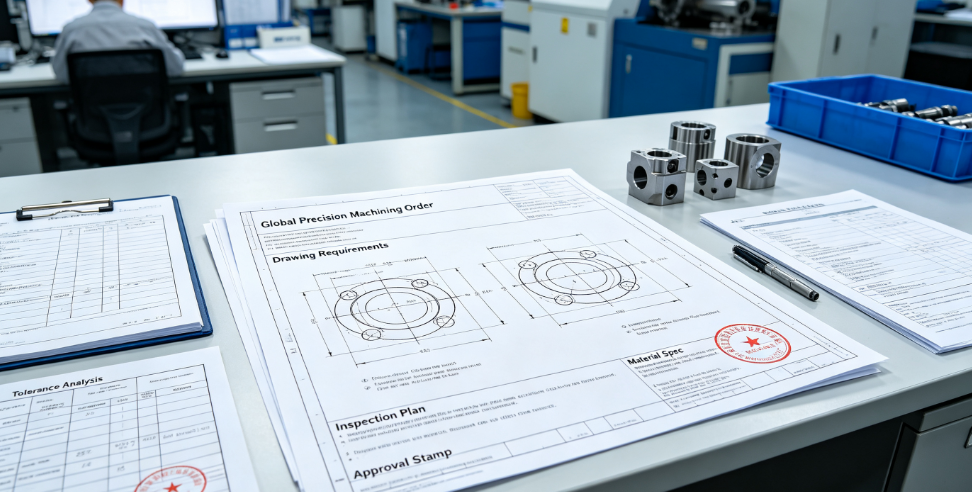
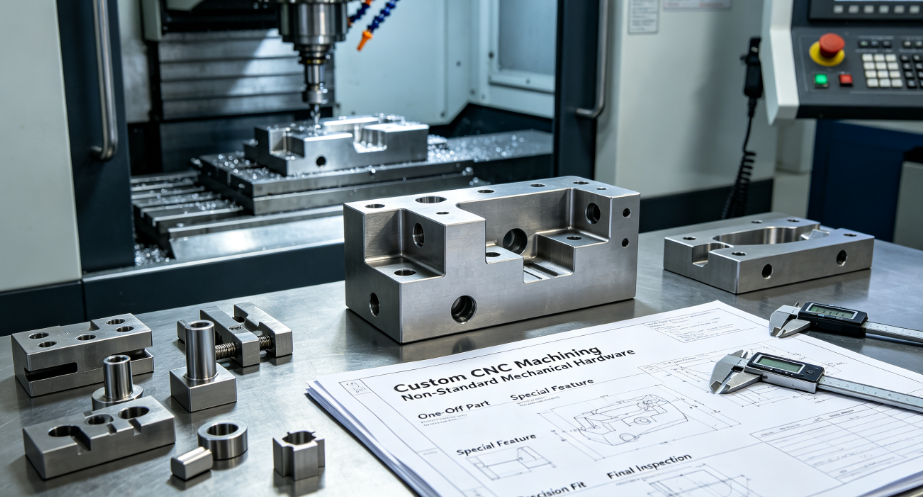
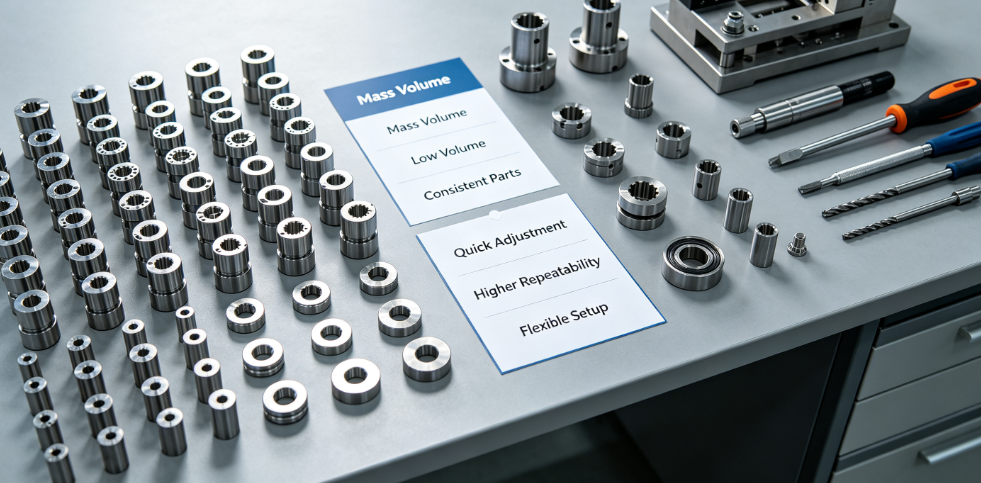
Precision CNC medical machining bridges the gap between innovative medical design and practical solutions. It transforms complex blueprints into highly accurate life-saving devices.
Zorapid’s medical manufacturing methods include CNC machining, injection molding, sheet metal fabrication and aluminum extrusion. These processes produce a wide range of medical device components with scalable production capacity.
Precision medical CNC machining is widely adopted for manufacturing high-precision, complex medical equipment and parts.
What is medical CNC machining?
Medical CNC machining is a specialized manufacturing process that utilizes Computer Numerical Control (CNC) technology to produce precision medical components and devices.
Advanced manufacturing technologies enable precise cutting, CNC milling and material forming, delivering parts with tight tolerances and complex geometries.
It supports the production of a wide range of medical products, from surgical instruments to medical implants.
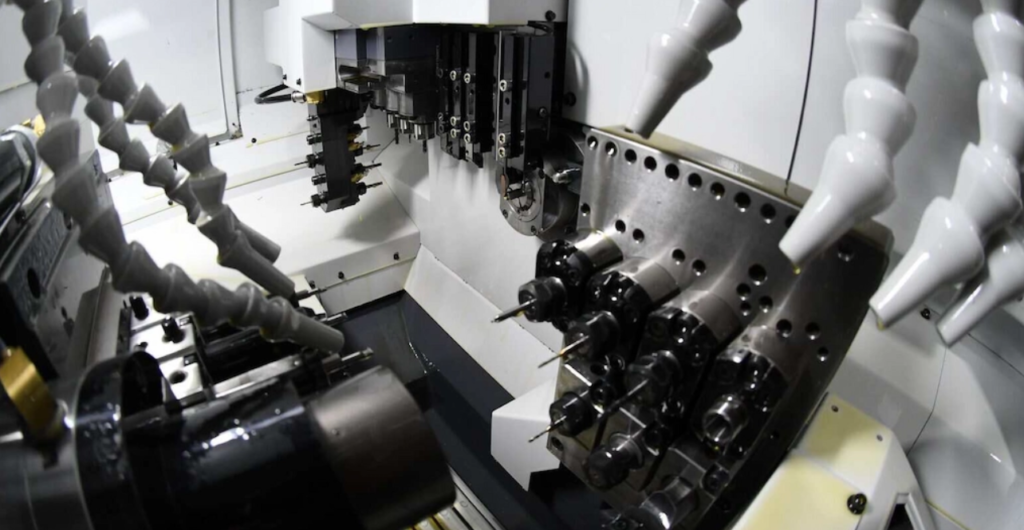
CNC machining processes a wide range of medical-grade materials in the healthcare industry, including titanium, stainless steel and medical plastics. Materials are selected based on durability, biocompatibility and sterilization resistance.
CNC machining delivers high precision and repeatability through precise control and automated operation, which is critical for medical devices that directly affect patient health and safety.
Medical CNC machining meets strict FDA and ISO medical standards. Full compliance ensures reliable, patient-safe medical device production.
Different CNC Machining Technologies for Medical Manufacturing
CNC machining technologies encompass a variety of methods for manufacturing precision medical components and devices.
Each technology features unique advantages and applications.
They meet the industry’s demands for accuracy, reliability and innovation, ranging from miniature implants to complex surgical instruments.
CNC Milling Machine
This technology uses rotating cutting tools to remove material from workpieces to form required shapes and features.
In medical applications, milling is critical for manufacturing complex components of orthopedic implants, dental restorations, and diagnostic equipment.
Capable of delivering intricate details and smooth surface finishes, it serves as the preferred process for high-precision medical parts.
CNC Turning
It is highly suitable for manufacturing cylindrical medical parts. The workpiece rotates while the cutting tool moves linearly.
Common products include surgical tools, joint prosthetics and medical device assemblies.
Featuring high efficiency and precision in shaping round components, turning is invaluable for producing parts with critical dimensions and smooth surface finishes.
CNC Drilling
Drilling technology creates precise holes in materials, a common requirement in medical device manufacturing.
This process is essential for components that require accurate fluid channels or screw mounting holes, such as bone screws and dental implant fixtures.
The high accuracy of drilling ensures perfect component fitting, a critical factor for medical device performance and patient safety.
Electrical Discharge Machining (EDM)
EDM is a non-traditional machining process that shapes materials through electrical discharge.
It is ideal for hard materials and complex profiles that are difficult to process by conventional CNC methods.
In the medical industry, the superior precision and accuracy of EDM are widely utilized to fabricate intricate details of surgical instruments and complex structural features of medical implants.
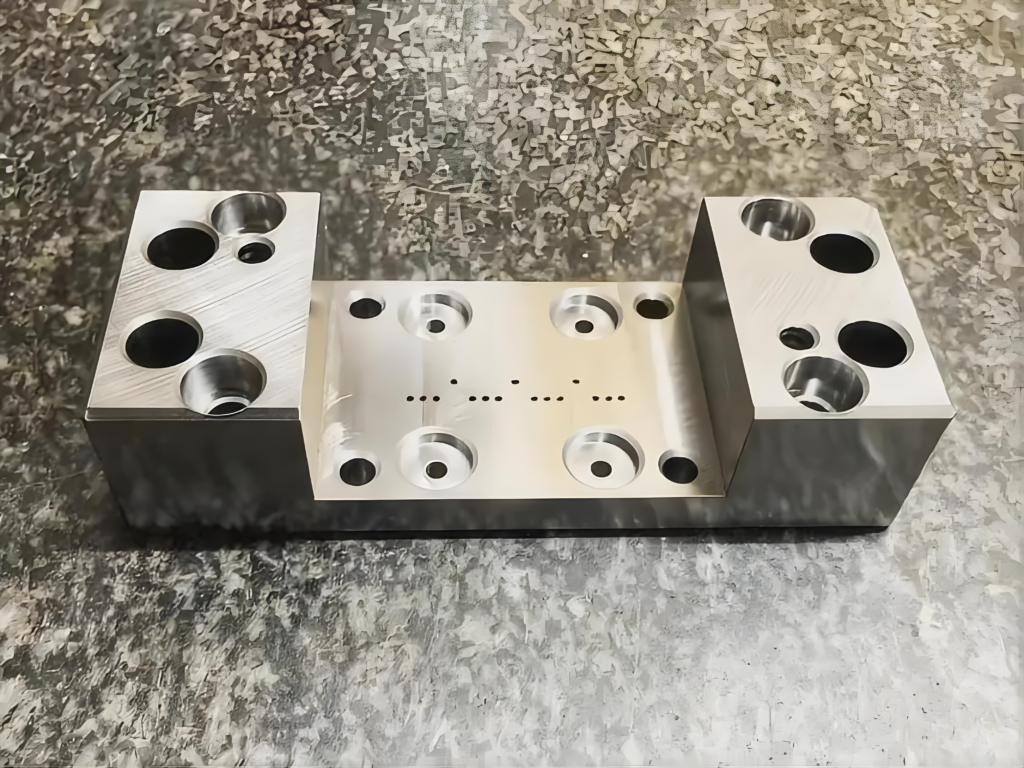
How to select suitable materials for medical CNC machining?
Selecting materials suitable for medical CNC machining requires a careful balance of biocompatibility, mechanical properties, corrosion resistance, and sterilization compatibility.
Biocompatibility
Biocompatibility is essential for medical applications. The material must not cause adverse reactions when in contact with the human body. Materials such as titanium, stainless steel, and specific plastics are widely favored for their excellent biocompatibility.
Mechanical Properties
Evaluate the required mechanical performance of equipment, including strength, flexibility and wear resistance. Titanium features high strength and superior corrosion resistance, making it an ideal choice for medical implants.
Corrosion Resistance
Medical devices face harsh conditions, bodily fluids and frequent sterilization. Highly corrosion-resistant materials preserve long-term structure and performance. Stainless steel and titanium alloys deliver excellent anti-corrosion properties.
Sterilization Compatibility
Materials must hold up to routine sterilization with no degradation. Some grades perform far better against high heat and harsh chemicals. Matching materials to sterilization needs is key for medical part selection.
Cost Efficiency
While material performance is critical, cost efficiency also plays a vital role in the selection process. Balancing material costs with application requirements ensures project viability without compromising quality or safety.
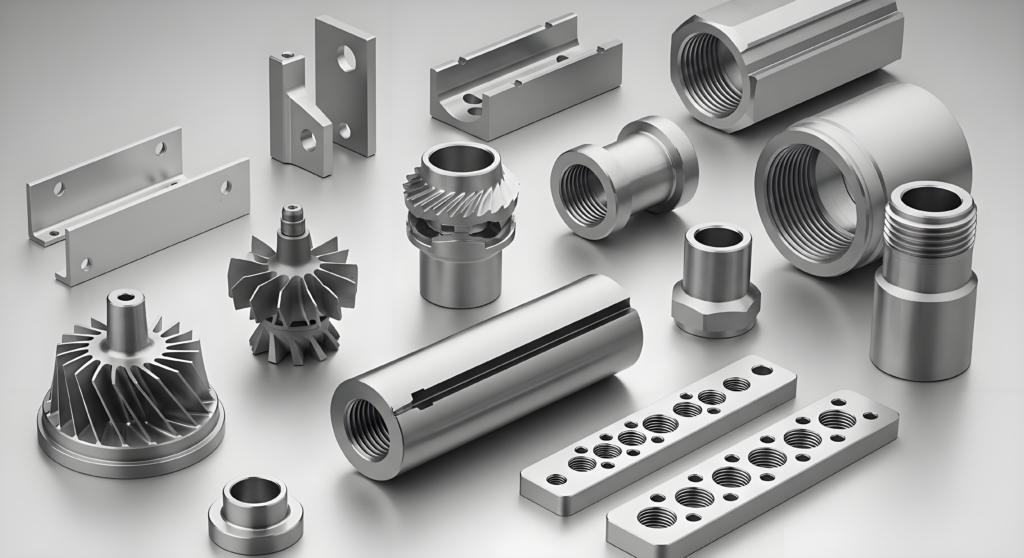
Advantages of Precision Medical CNC Machining
Precision CNC technology manufactures medical devices and components with ultra-high accuracy to meet critical industry standards.
It supports a wide range of materials, delivers complex design fabrication, and provides custom solutions.
- High Precision & Accuracy: Ensure all components comply with stringent medical standards and regulations.
- Diverse Material Compatibility: Compatible with a wide range of materials, from metals to medical-grade plastics.
- Complex Geometry Capability: CNC manufactures intricate shapes and detailed features that cannot be achieved by conventional machining methods.
- Scalability: Adaptable to low-volume prototyping and mass production with consistent quality maintained.
- Cost Efficiency: Reduce material waste and minimize repeated prototyping, effectively cutting overall production costs.
- Speed and Efficiency: Shorten lead times to accelerate the development and delivery of medical devices.
- Customization: Medical CNC machining delivers tailored solutions for personalized healthcare, including custom implants and surgical tools.
- Superior Reliability: Produce medical components with stable and consistent quality.
- Medical Regulatory Compliance: Adhere to strict industry regulations to ensure medical devices are safe and effective for patient use.
Disadvantages of Precision Medical CNC Machining
Medical CNC machining delivers great benefits, yet it comes with challenges.
High precision and complex medical part designs create limitations, driven by core CNC technical traits.
- Material Limitations: Despite its versatility, certain advanced medical-grade materials pose significant machining challenges.
- Production Speed for Complex Parts: Highly intricate designs extend production time and impact delivery schedules.
- Tool Wear & Replacement: High-precision machining accelerates tool abrasion and requires frequent tool replacement.
- Technical Expertise: Skilled programmers and operators are essential, which raises training and labor costs.
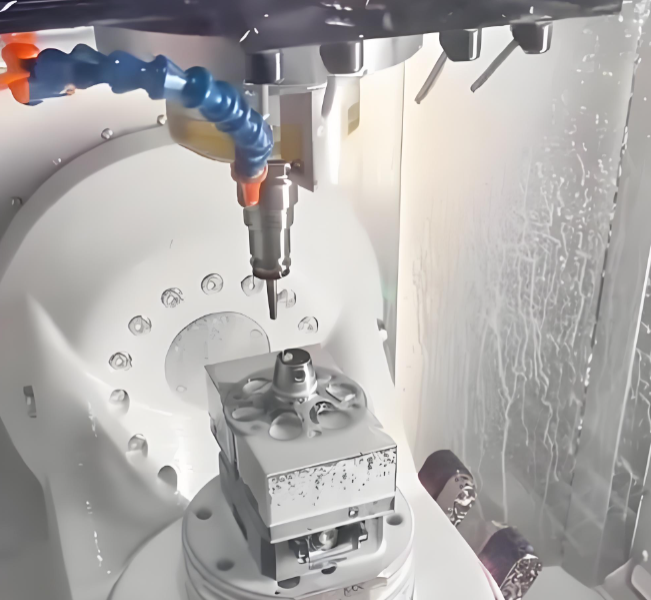
Applications of Precision Medical CNC Machining
Advanced manufacturing makes high-precision medical parts, from bone implants to complex surgical instruments.
English Translation
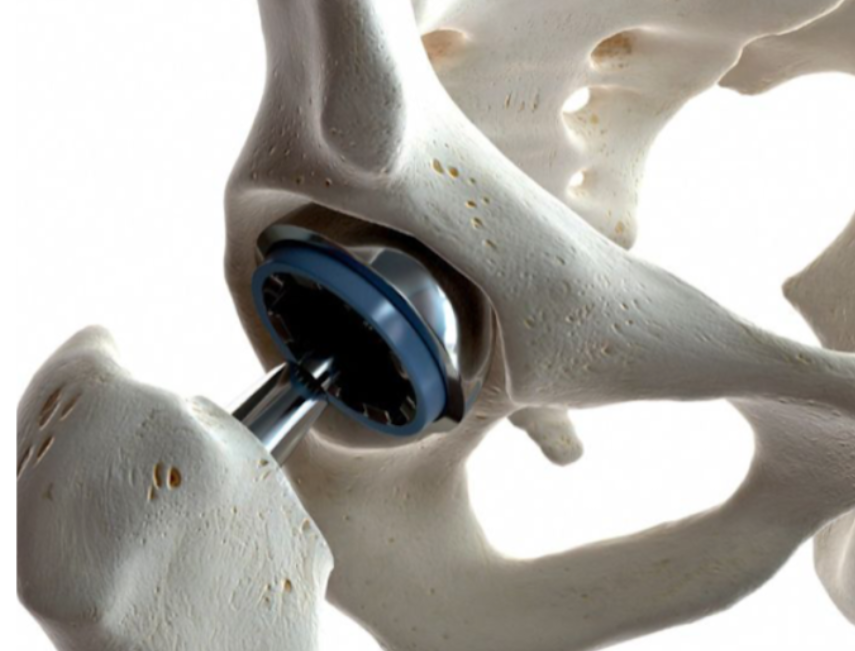
CNC machining is vital for orthopedic implants like joints and bone screws.
Tight precision ensures perfect fit, full function and seamless bodily integration.
It also enables patient-specific custom implants for better medical outcomes.
Surgical Instruments
Precision CNC machining powers surgical tool production, from scalpels to advanced endoscopic devices. It delivers accurate, high-performance parts for delicate surgical work.
Dental Equipment
In dentistry, CNC machining fabricates crowns, bridges and dental implants with exceptional precision.
It supports a wide range of dental-grade materials such as titanium and ceramics.
This makes CNC machining indispensable for manufacturing durable, biocompatible dental devices.
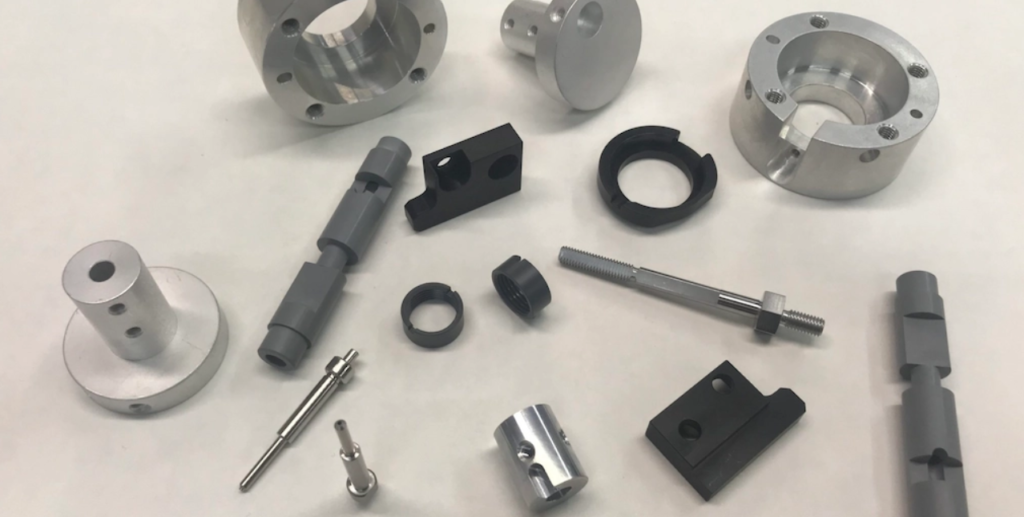
Cardiovascular Devices
CNC machining facilitates the production of critical cardiovascular devices, including stents and pacemaker components. These devices require extreme precision to function properly and safely within the cardiovascular system, demonstrating the vital role of CNC machining in supporting life-saving medical treatments.
Diagnostic Equipment
Precision components for diagnostic devices such as MRI machines and ultrasound probes are also manufactured by CNC machining. The accuracy and reliability of these parts are critical for devices to deliver precise diagnoses, highlighting the significance of precision machining in medical diagnostics.
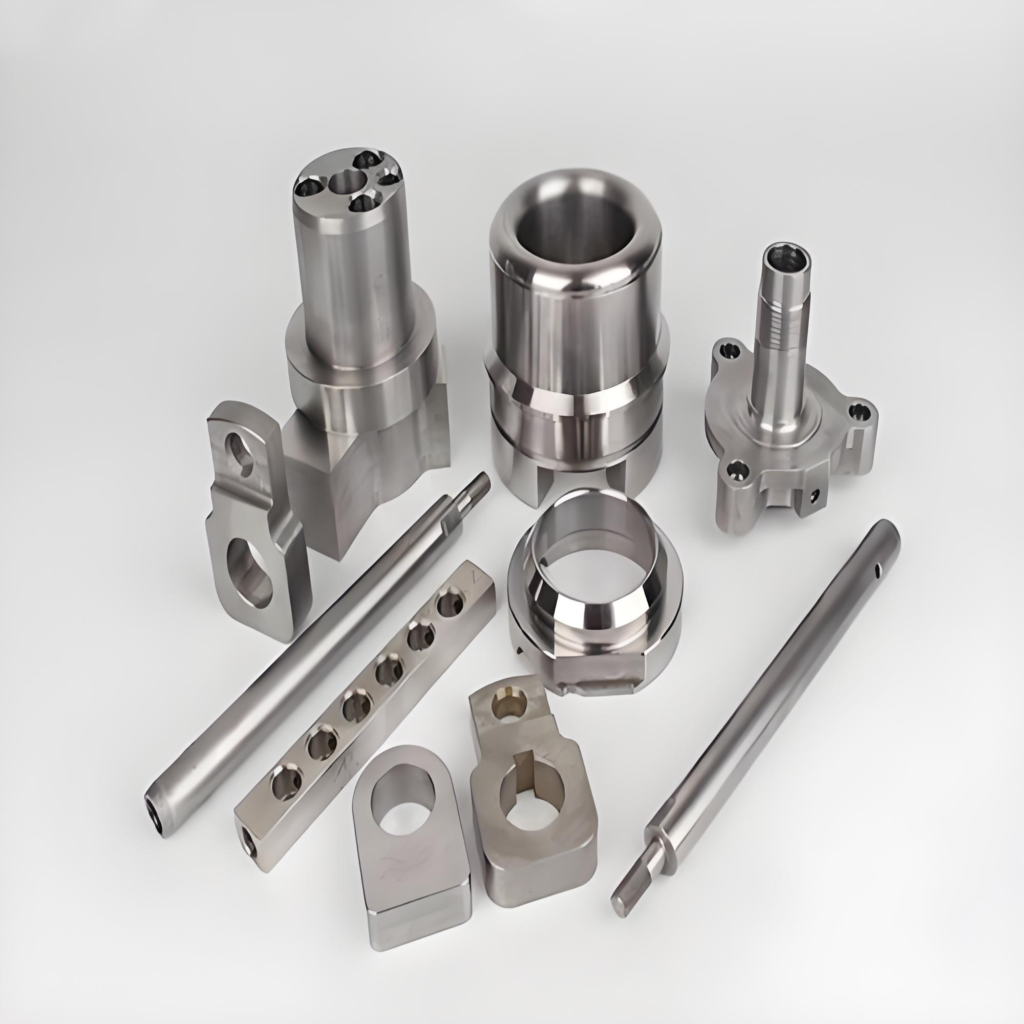
Precision CNC medical machining integrates advanced technology with unparalleled precision and efficiency. It addresses the growing demand for complex, custom medical components and devices.
Zorapid’s CNC machining services stand at the intersection of innovation and quality. We deliver tailored solutions that fully comply with your specifications and global medical standards.
FAQ
Why is precision CNC machining ideal for medical device manufacturing?
Precision CNC machining delivers unmatched accuracy and repeatability, which is critical for medical devices that must adhere to strict tolerances to ensure patient safety and equipment efficacy.
How does CNC machining meet the strict regulatory standards of the medical industry?
The precision control and digital traceability of CNC machining comply with regulatory standards by ensuring consistent quality and documented manufacturing processes.
What materials are suitable for precision medical CNC machining?
Materials such as titanium, stainless steel, and various medical-grade plastics are well-suited for CNC machining. The final selection depends on mechanical strength, biocompatibility, and sterilization compatibility.
How does Zorapid ensure the quality and precision of its CNC-machined medical components?
Zorapid adopts advanced CNC technology, rigorous quality control procedures and ongoing staff training to ensure every component meets the highest precision and quality standards.