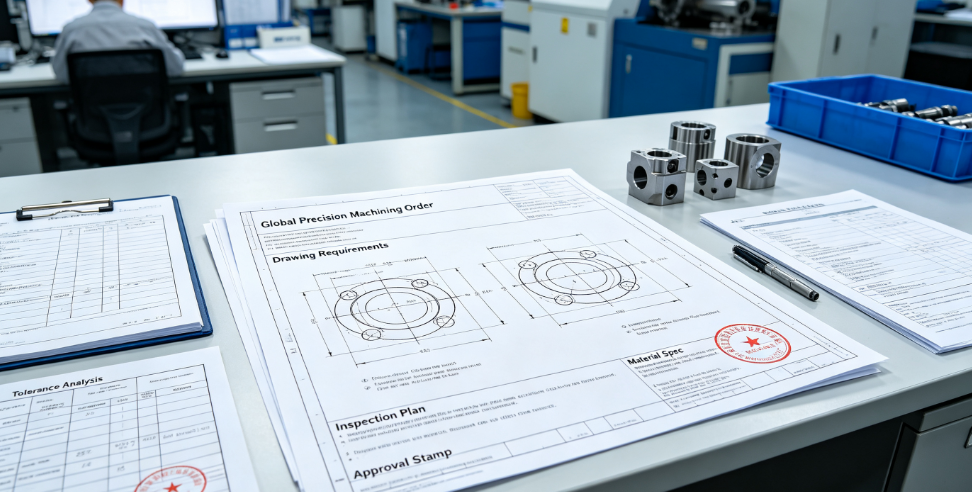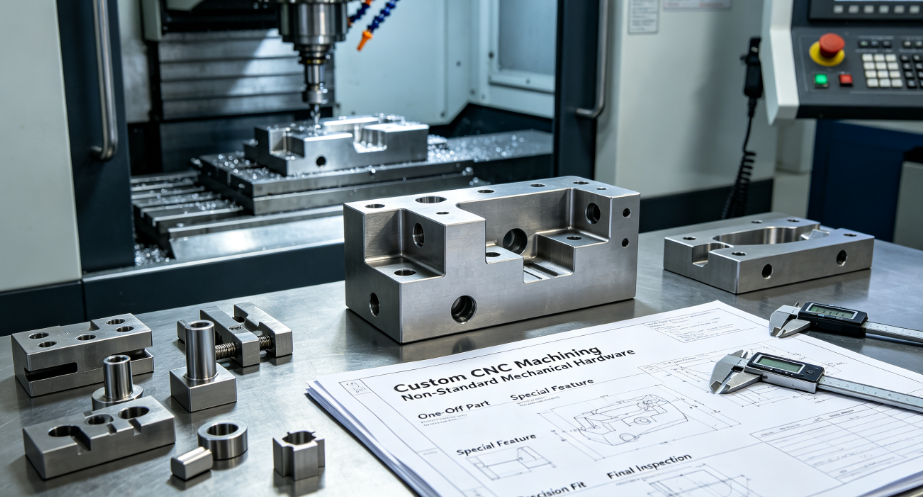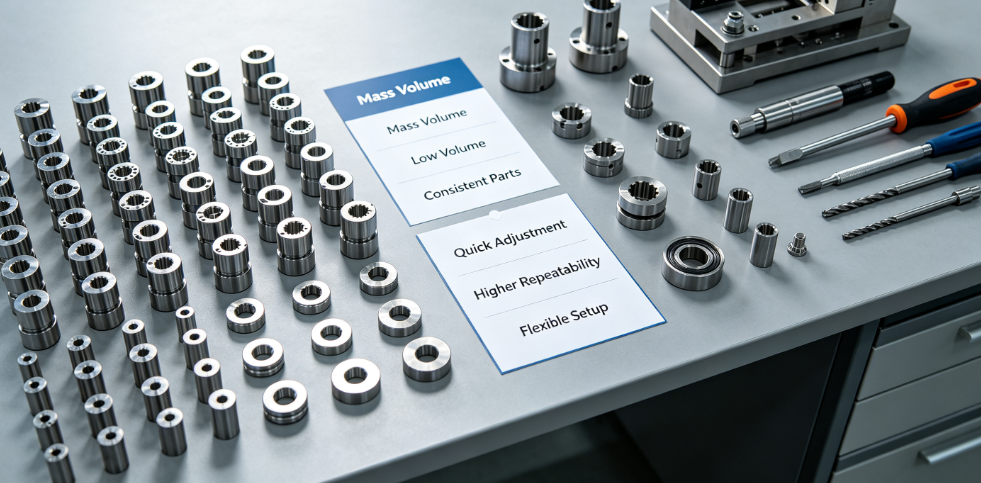
CNC milling is a cutting method and a core feature of Computer Numerical Control (CNC) machines. With a history spanning two centuries, it emerged as one of the most commonly used and advanced machining technologies during the industrialization era, and has now become an indispensable cutting process. Learning about CNC milling will help you expand your professional knowledge and expertise.
Complete Milling Content: https://zorapid.com/cnc-milling
What is CNC Milling?
CNC milling is a widely used machining method for making complex industrial parts. It removes extra material to shape components as needed, using multiple rotating cutting tools run by CNC programs and CAM software.
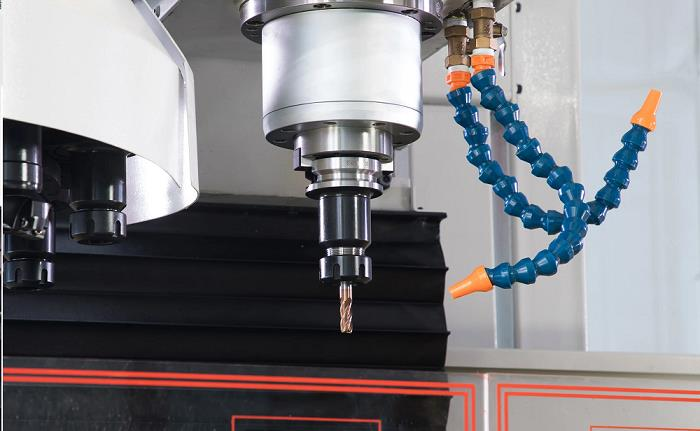
Meaning of Bench-top CNC Milling Machine
A bench-top CNC milling machine refers to a compact CNC milling machine. It is mainly used by small enterprises and educational institutions for prototyping and manufacturing complex parts.
Is CNC Milling Easy?
Once you master CNC programming, it becomes easy to operate thanks to its automated functions.
What Are the Uses of CNC Milling Machines?
CNC milling machines are widely used in manufacturing to make complex parts such as aircraft fuselage parts, landing gear, gearbox housings, orthopedic implants, heat sinks, missile guidance systems and custom jewelry. All these components demand tight tolerances and high precision — exactly what precision CNC milling delivers.
Different from lathes, CNC milling machines process workpieces by rotating the cutting tool.
How Does CNC Milling Work?
A comprehensive introduction to the working principle of the CNC milling process.
Functions of Computer Numerical Control (CNC)
The CNC control unit powers core workflow automation and runs via CNC and CAM programs. All key parameters — spindle speed, cutting feed rate, tool change settings — are loaded directly into the system.
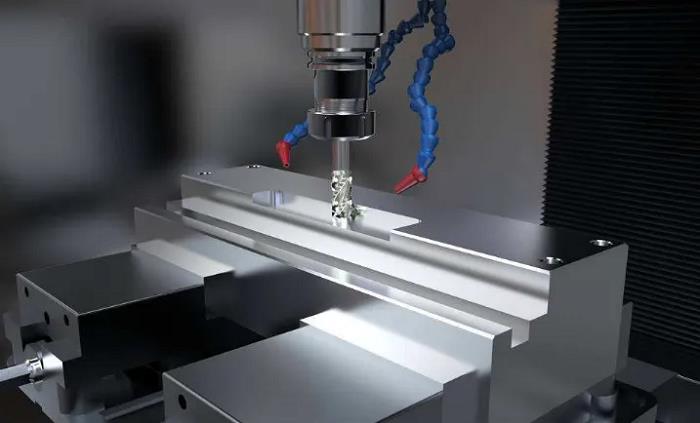
CNC Milling Processing
The milling process starts with preparing a 3D design using CAD software. Since the machine cannot directly read the 3D design, CAM software is required to convert it into a machine-readable format. Zorapid provides you with a step-by-step guide to how CNC machines work.
Step-by-Step Guide: How CNC Milling Works
The first step is to create a 3D model of the required part, then convert it into a machine-readable format via CAM software.
- Select a suitable cutting tool.
- Secure the workpiece firmly on the work fixture.
- Set parameters such as spindle speed, cutting feed rate and axes in the software.
- Turn on the machine, and you can start the machining process.
CNC Milling Software
CNC milling software turns workpiece 3D designs into machine-ready instructions. It stores tool speed, optimized tool paths and other parameters via programming, then controls the cutting tool automatically during operation.
Types of CNC Milling Machines
The main difference among CNC machines lies in the number of axes. The common types are as follows:
Vertical Milling Machine
Vertical milling machines feature high precision. The core reason for its high accuracy is that the spindle is perpendicular to the workpiece, making part machining much easier.
Horizontal Milling Machine
This mill is perfect for long, heavy workpieces. Though an older design, it excels at machining large lengthy parts, with standard operating workflow. The structure of the horizontal milling machine is shown below.
5-Axis CNC Milling Machine
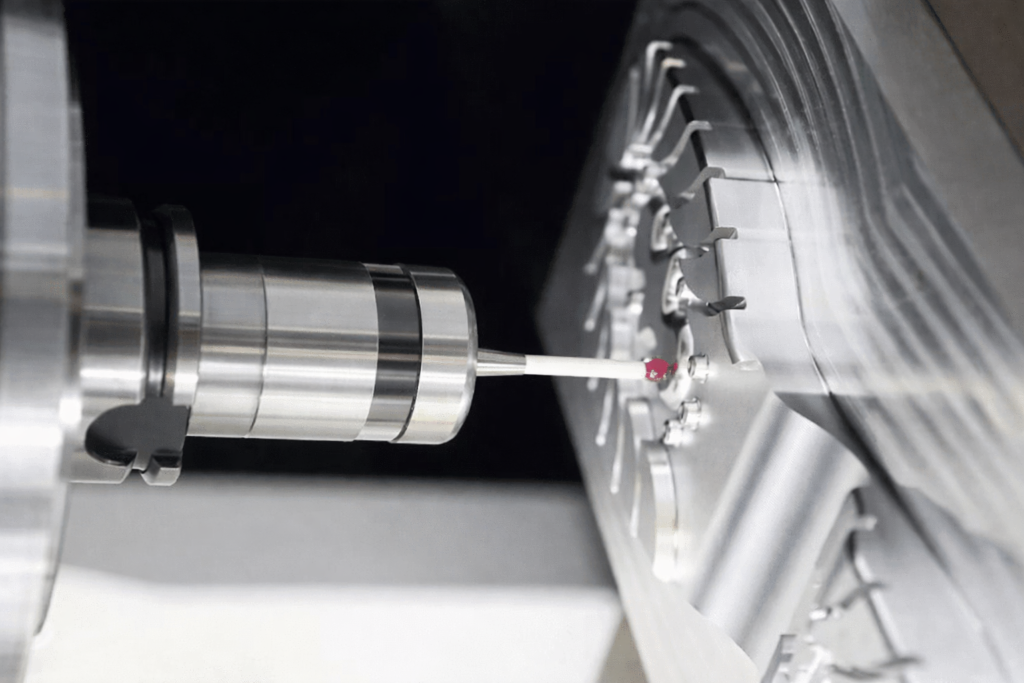
This machine is built for high-precision, complex-structured parts. 5-axis CNC mills fabricate critical components like aircraft parts with strict safety standards. The cutting tool moves along five axes to machine workpieces, delivering outstanding efficiency.
Universal Milling Machine and Turret Milling Machine
The universal milling machine realizes the machining of complex designs on fixed workpieces by moving the cutting tool.
The workpiece is processed with the cutting tool kept stationary.
Advantages of CNC Milling
It is a cost‑effective manufacturing method with no need to hire a large number of workers to operate CNC milling machines.
CNC milling is a reliable solution for producing complex parts. Its automated functions eliminate the risk of human error. Precision CNC milling and customized tool path optimization are essential for manufacturing critical components such as turbine blades.
Since operators have no direct physical contact with the machining workpiece, the risk of injury is extremely low.
Supported by CNC programs, CNC milling machines can run continuously 24/7. Automatic Tool Change (ATC) is another key feature enabling this advantage.
Routine cleaning and inspection are sufficient to keep CNC milling machines in normal operation, requiring minimal maintenance workload.
5-axis CNC milling machines represent the most advanced milling machine model, dedicated to processing highly complex parts.
Materials for CNC Milling
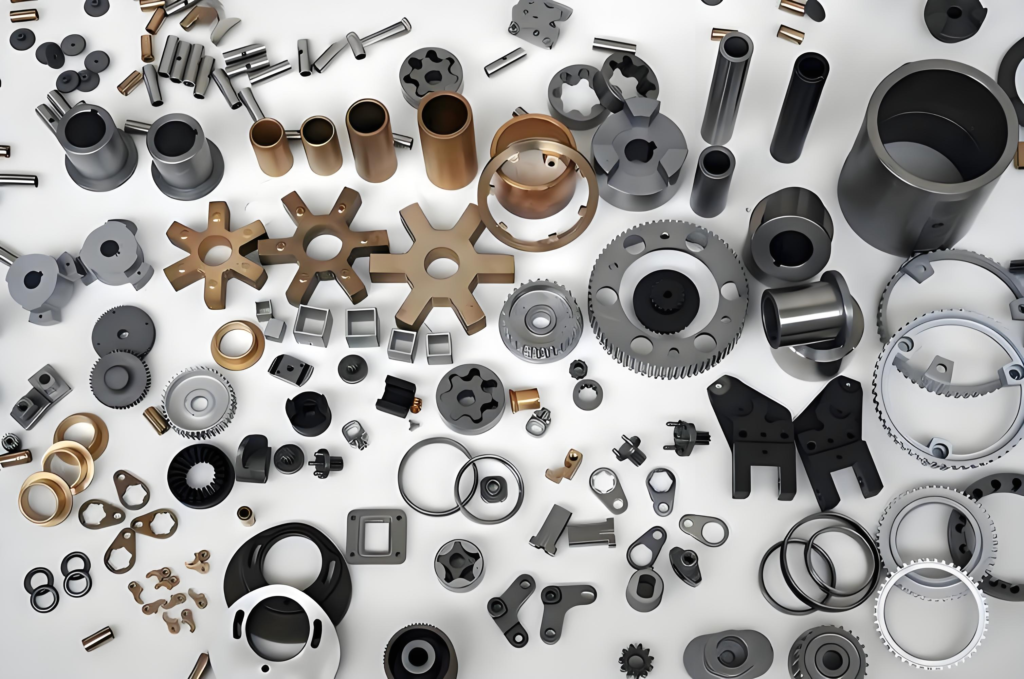
CNC machines are capable of machining a wide range of materials freely, including composites, metals, and plastics, with extremely high precision.
CNC Milling of Metals
easily machine tough, workable metals including aluminum, mild steel, stainless steel, copper and titanium.
Since CNC machines apply cutting force to workpieces during operation, hard and brittle metals like high-carbon steel and martensitic steel are prone to cracking.
For this reason, only tough and ductile materials should be selected to achieve optimal machining results.
CNC Milling of Plastics
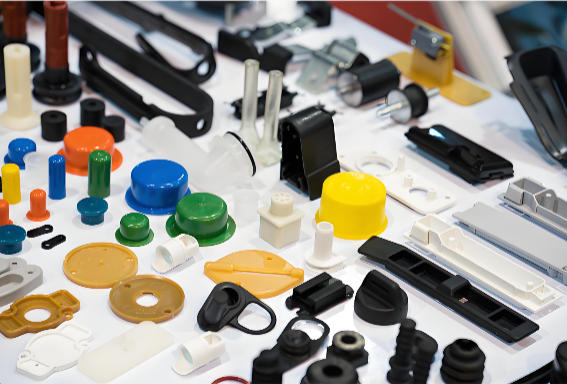
These plastics are well-suited for CNC milling and possess ideal mechanical strength for machining.
Plastics such as PVC and PEEK feature excellent machinable properties. They are widely used in the industry to manufacture bearings and piston components.
Which process is more suitable for specific applications?
CNC milling makes custom parts, gears, spiral profiles, flat surfaces, grooves, edges, slots and keyways. Turning handles cylindrical parts, tapered surfaces, grooved components and flange parts.
Applications of Custom CNC Milling Services
CNC milling machines are versatile and fully automatic, making them widely used in precision-critical industries.
Aerospace Industry
The aerospace industry adheres to extremely high safety standards and involves substantial capital and human investment. To maximize the protection of lives and assets, ultra-high precision and tight tolerances are indispensable. Components such as landing gear, bulkheads, and aircraft frames are manufactured by CNC milling machines to meet stringent aerospace standards.
Automotive Industry
Closely related to life safety, the automotive industry requires meticulously machined parts and components. Parts fabricated by CNC milling include body panels, frame components, engine blocks and more.
Medical and Healthcare Applications
Reliability is vital for medical supplies, so surgical and orthopedic tools like forceps and retractors are precision-made by CNC milling.
Consumer Goods Manufacturing
Thanks to advances like 5-axis CNC milling, CNC machining is now widely used in electronics, jewelry and consumer goods manufacturing.
What Is the Cost of CNC Milling?
The price ranges from $20 to $60, while the final cost ultimately depends on design complexity and material selection.
Factors Affecting CNC Milling Costs
If you plan to purchase CNC milled parts, it is essential to understand the key factors that impact the overall cost.
Material and Part Complexity
Brittle materials come with higher milling costs, as they are difficult to machine. They are prone to cracking during processing, requiring operators to work with extreme care to preserve structural integrity.
Similarly, higher design complexity demands more labor, time and processing effort, which directly drives up production costs.
Production Volume and Lead Time
A machine that delivers higher output within a shorter cycle time is regarded as optimal. For balancing efficiency and delivery schedule, CNC machines are an ideal option.
How to Estimate CNC Milling Costs
As mentioned earlier, part design complexity and workpiece material are the primary pricing determinants. It is necessary to fully understand these factors before setting budgets and placing orders.
Choose Zorapid for Custom CNC Machining Services
If you’re in aerospace and other key industries and need high-precision custom parts, choose Zorapid CNC machining. We feature advanced equipment and experienced technicians to deliver quality parts at competitive prices.
FAQ
Is CNC milling suitable for small-batch production?
Yes. With a wide variety of milling machine models and price options, CNC milling is well suited for small-batch production.
What is the precision of CNC milling?
Controlled by CNC programs, it serves as a highly reliable and precise solution for manufacturing parts with tight tolerances, such as engine blocks and turbine blades.
What are the limitations of CNC milling?
One of the limitations of CNC milling is the high initial investment required to purchase these advanced machines.