What is CNC milling?
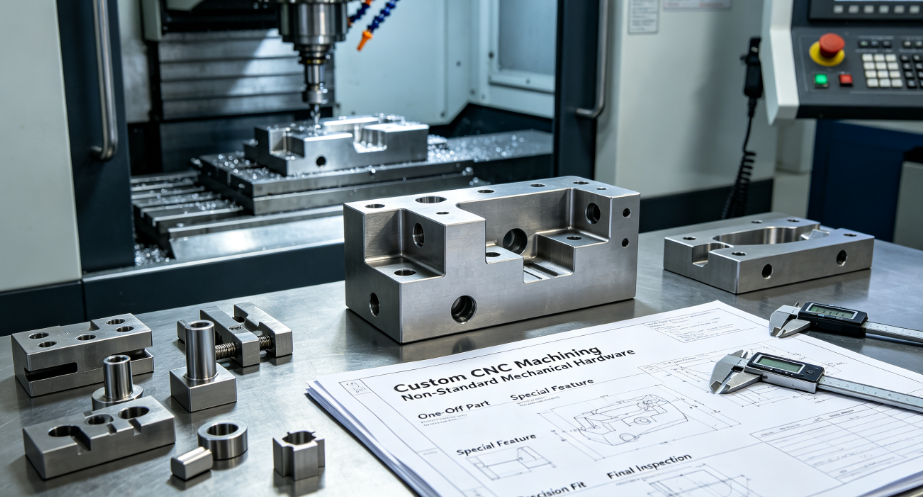
CNC milling is a cornerstone of modern manufacturing, combining precision and efficiency to create everything from intricate components to large-scale designs. At its core, CNC (Computer Numerical Control) milling uses computer-guided tools to shape materials, offering unmatched accuracy and versatility. This process has reshaped industries, enabling the creation of parts for industries like aerospace, automotive, and medical devices. To see how CNC milling compares to similar methods, It’s no exaggeration to say that this technology drives innovation in how we create the world around us.
The Fundamentals of CNC Milling
When you think of the tools shaping today’s manufacturing world, CNC milling consistently stands out. It’s a process where computer precision meets mechanical power. This combination allows manufacturers to create high-quality parts with outstanding accuracy. Below, we’ll break down the key aspects of CNC milling, from how the machines function to the role of programming in bringing designs to life.
How CNC Milling Machines Work
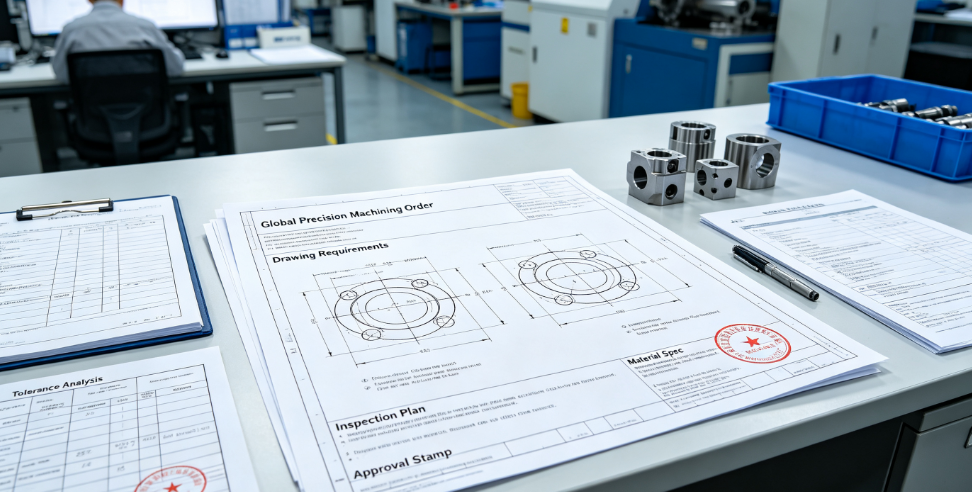
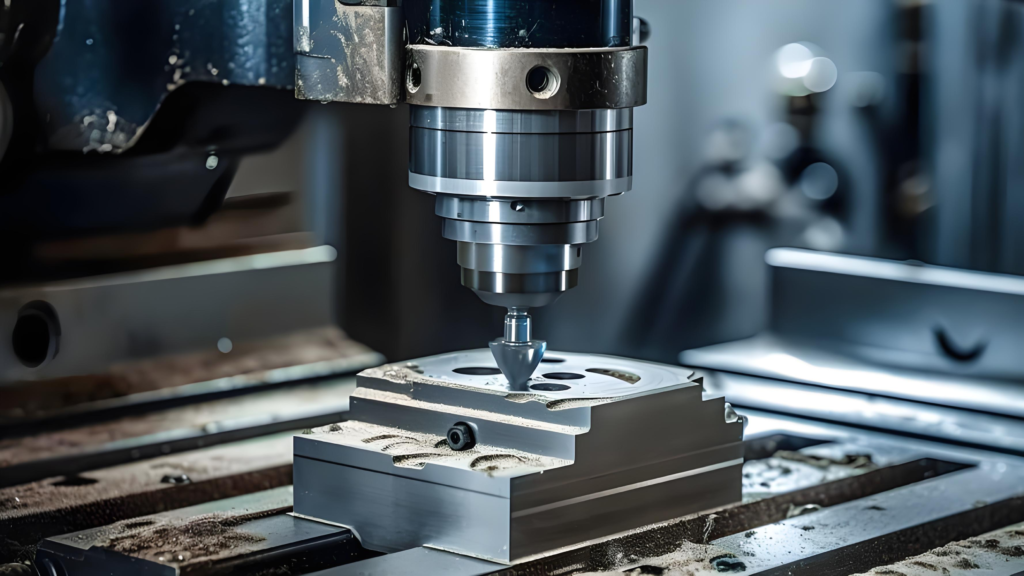
At its core, CNC milling uses pre-programmed software to cut, drill and shape materials like metals and plastics. Short for Computer Numerical Control, CNC enables full machining automation. Unlike skill-dependent manual processing, it ensures consistent output via digital commands. The workflow starts with CAD design, which is converted into machine-readable codes to drive tools for high-precision motion.
This setup not only ensures greater accuracy but also drastically reduces manual labor, making it easier to produce identical parts at scale.
Key Components of a CNC Milling Machine
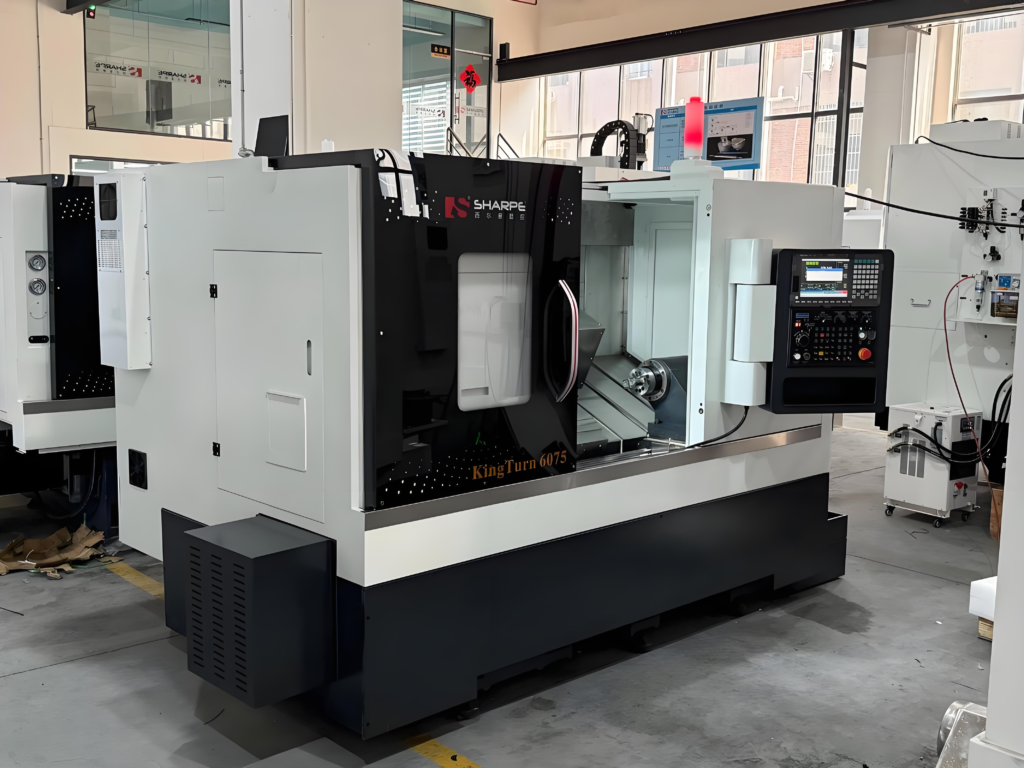
Understanding the anatomy of a CNC milling machine helps in grasping its functionality. These machines are more than just automated tools—each component plays a crucial role in their operation. Here are the key components:
Control Interface: This is the brain of the machine. It reads programmed instructions and drives the other components accordingly.
Control Interface: This is the brain of the machine. It reads programmed instructions and drives the other components accordingly.
- Tool Changer: To handle complex operations efficiently, the machine swaps cutting tools automatically based on the task at hand.
- Coolant System: When cutting, significant heat is generated. Coolant systems help regulate temperature, preventing wear and ensuring consistent operations.
- Spindle: The spindle holds and rotates the cutting tool at high speeds, powered by a motor.
- Worktable: This is where materials, or workpieces, are clamped securely to ensure stability during operation.
Applications of CNC Milling
CNC milling is an essential tool driving innovation across industries. Its ability to create precise, customizable components makes it invaluable for both large-scale production and intricate designs. This versatility allows manufacturers to meet the demands of high-tech industries while also delivering practical solutions for everyday consumers.
Aerospace and Automotive Industries
Aerospace and automotive industries best demonstrate CNC milling’s value in high-performance manufacturing. Precision and durability are critical here. CNC milling fabricates intricate parts including engine components, brackets and housings with high accuracy, complying with strict quality requirements.
1:Aerospace applications often involve lightweight materials, such as aluminum and titanium, that can withstand extreme conditions. Precise milling ensures these parts perform without failure, directly influencing flight safety and efficiency.
2:In automotive manufacturing, CNC milling contributes to producing high-strength parts, including engine blocks, transmission components, and brake systems. This helps create vehicles that are not only efficient but also safe and reliable.
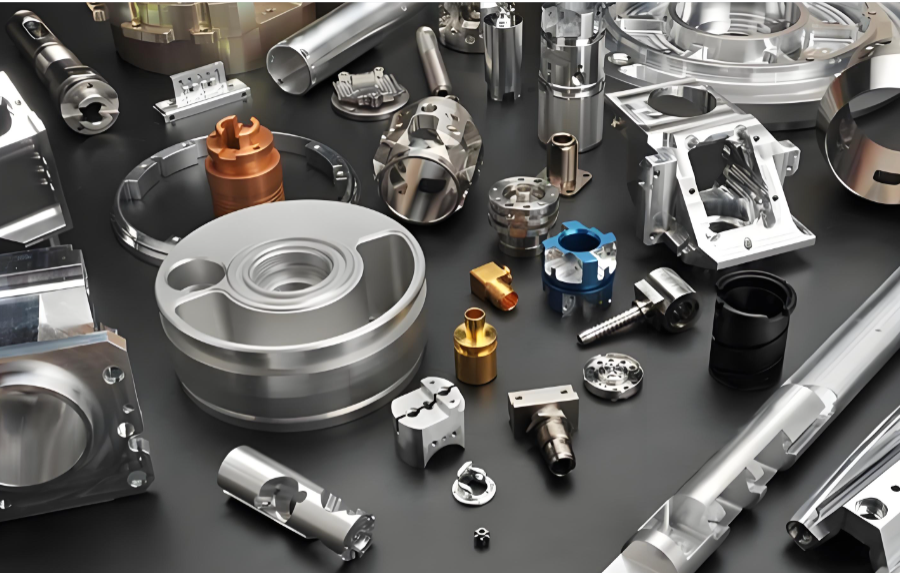
By enabling manufacturers to create intricate designs and exact specifications, CNC milling enhances both functionality and reliability in these pivotal industries.
Electronics and Medical Equipment
From smartphones to surgical instruments, many electronic and medical devices owe their precision to CNC milling. In electronics, it’s used for crafting delicate, intricate parts like circuit boards, connectors, and casings. Modern gadgets demand components that are compact yet robust, a requirement easily met with CNC milling.
In the medical field, precision becomes even more critical. CNC milling is instrumental in producing customized surgical tools, prosthetics, and implants. Its accuracy allows for designs tailored to patient-specific needs, improving outcomes and quality of care. Think about a titanium bone implant shaped exactly for a patient’s anatomy—that’s CNC milling at work.
Whether it’s a smartphone or a life-saving device, CNC milling helps turn ideas into reality with unmatched accuracy.
Advantages of CNC Milling
Zorapid CNC milling offers a wide range of benefits that make it a go-to process for many industries. Whether you’re designing components for medical devices or automotive parts, CNC milling’s precision and adaptability can cater to your needs. Let’s break down the top advantages to show why it’s a cornerstone of modern manufacturing.
High Precision and Accuracy
One of the defining features of CNC milling is its ability to create intricate designs with extraordinary precision. When producing parts, even a tiny inaccuracy can lead to significant issues. CNC milling removes this margin of error by relying on computer-controlled tools that follow exact specifications.
CNC machines operate with tolerances as tight as ±0.001 inches, ensuring accuracy that wouldn’t be possible with manual machining.
Complex geometries, such as multi-angled cuts or intricate cavities, are easily achievable thanks to advanced programming.
This precision makes CNC milling particularly valuable in fields like aerospace and medical industries, where quality and reliability are essential.
Efficiency in Large Volume Production
Zorapid In manufacturing, efficiency is critical—especially for businesses producing large quantities. CNC milling excels in this area by offering consistency across large-scale operations.
Once programmed, CNC machines can run continuously without requiring significant manual intervention, reducing lead times.
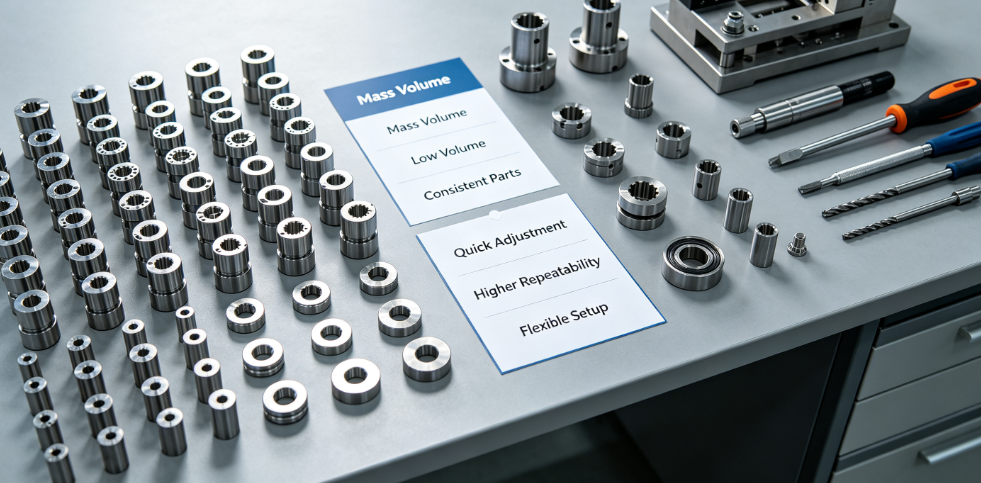
Every product is virtually identical to the last, eliminating variability and ensuring consistent quality across the board.
Besides the time-saving aspects, the scalability of CNC milling allows manufacturers to shift seamlessly between prototyping and full-scale production. It’s a win-win for both productivity and reliability. For industries working with high-strength materials.
Versatility Across Materials
One of the standout aspects of CNC milling is its versatility. It can handle a wide variety of materials, opening endless possibilities for manufacturers. Whether you’re working with lightweight plastics, robust metals, or advanced composites, CNC milling has you covered.
Metals: From soft aluminum to tough titanium and stainless steel, CNC milling effortlessly adapts to different metals.
Plastics: Ideal for applications requiring lightweight and corrosion resistance, such as custom fixtures or prototypes.
Advanced composites: Popular in aerospace and automotive, composites combine strength with a reduced weight, a combination easily manipulated with CNC milling.
The ability to switch between these materials while maintaining precision and strength ensures its role as a multi-purpose manufacturing solution.
In summary, whether it’s the unmatched precision, scalability, or wide-ranging material compatibility, CNC milling stands out as a vital process for businesses looking to produce high-quality components efficiently and reliably.
CNC Milling vs Other CNC Processes
When it comes to precision manufacturing, CNC milling is often compared to other CNC processes. Each of these methods plays a vital role, but their differences lie in methodology, machine design, and the applications they’re suited for. Let’s break down how CNC milling compares to CNC turning and Swiss machining.
CNC Turning vs CNC Milling
Understanding the difference between CNC turning and CNC milling helps to determine which process works best for specific needs.
Methodology:
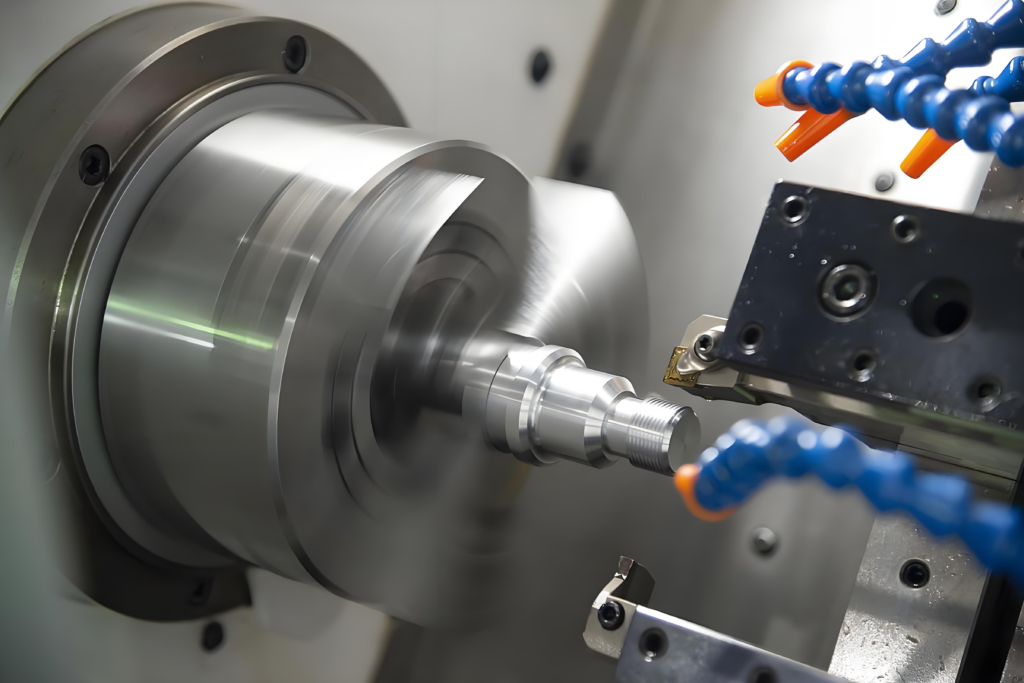
In CNC turning, the material (or workpiece) spins while a cutting tool remains stationary. This is ideal for creating cylindrical or rounded shapes like shafts, pins, or bushings.
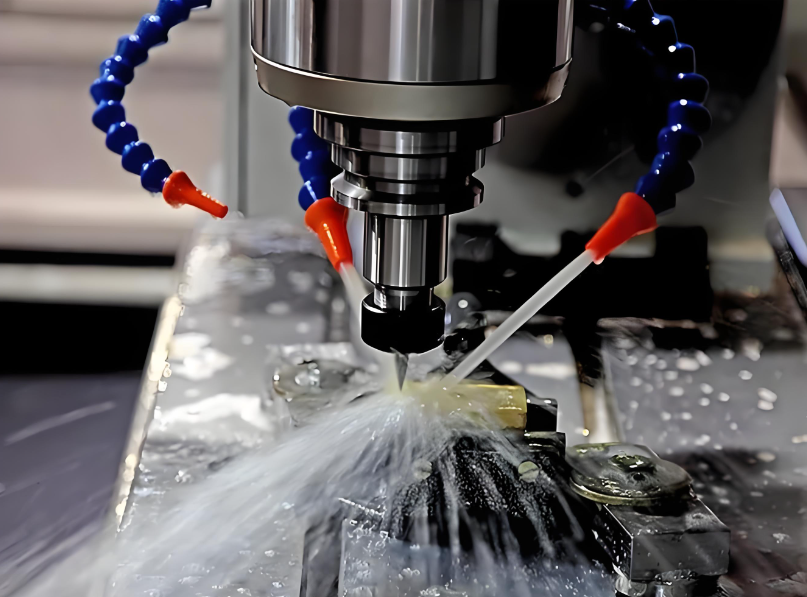
CNC milling, on the other hand, involves a stationary workpiece with cutting tools that move across multiple axes to carve out parts. This process excels at creating complex geometries and flat surfaces.
Machine Design:
CNC turning machines feature rotating chucks to grip the material. They’re highly specialized for tasks like threading or shaping round components.
Milling machines come with spindles and a moving worktable for multi-directional cutting, making them more versatile for varied designs.
Applications:
Turning: Often used for parts like screws, gear shafts, or any design requiring rotational symmetry.
Milling: Ideal for blocks or plates requiring intricate cuts, slots, or surfaces.
CNC Milling vs CNC Swiss Machining
Swiss machining brings a unique approach when compared to CNC milling, particularly for small yet precise parts.
Unique Traits:
Swiss machining relies on a sliding headstock and fixed cutting tools, which allow for working on bar materials. It offers unmatched precision for small parts with delicate features.
CNC milling, with its multi-axis capabilities, stands out for crafting larger components that require intricate patterns and vary in material size and shap
Examples of Usage:
Swiss machining is perfect for applications like micro-metal parts in watches, medical implants, and fine electrical connectors. It’s all about handling smaller-scale projects with tighter tolerances.
Milling is better suited for larger prototypes, molds, or parts requiring multiple surface finishes
Efficiency:
Swiss machining ensures continuous material feeding, which reduces waste and is highly efficient for small production runs.
Milling systems are unmatched when handling high-volume or bulkier, multi-textured projects.
Both processes excel in their domains but choosing the right one hinges on the product’s size, complexity, and desired finish.
Zorapid’s CNC Milling Services
In today’s fast-paced manufacturing industry, precision, efficiency, and reliability are non-negotiable. Whether you’re crafting intricate components for aerospace, automotive, or medical devices, the quality of your machining process can make or break your product. This is where Zorapid’s CNC milling services come into play. With cutting-edge technology, unparalleled expertise, and a commitment to excellence, Zorapid is your trusted partner for all your CNC milling needs.
Why Choose Zorapid for CNC Milling Services?
1:State-of-the-Art Technology
Zorapid leverages the latest CNC milling machines equipped with advanced software and automation capabilities. Our high-speed, multi-axis machines ensure precision down to the micron, delivering flawless results every time. Whether you need prototyping, small-batch production, or large-scale manufacturing, our technology is designed to meet your demands.
2:Expertise Across Industries
With years of experience,Zorapid has mastered the art of CNC milling for a wide range of industries. From aerospace and automotive to electronics and medical devices, we understand the unique requirements of each sector. Our team of skilled engineers and technicians work closely with you to ensure your project meets the highest standards of quality and performance.
3:Custom Solutions for Every Project
At Zorapid, we know that no two projects are the same. That’s why we offer fully customizable CNC milling services tailored to your specific needs. Whether you require a unique material, a complex design, or a tight deadline, we have the expertise and flexibility to deliver.
4:Quality Assurance and Precision
Quality is at the heart of everything we do.Zorapid adheres to strict quality control protocols throughout the milling process, ensuring that every component meets your exact specifications. Our commitment to precision means you can trust us to deliver parts that fit, function, and perform flawlessly.
5:Cost-Effective and Time-Efficient
Time is money in manufacturing, and Zorapid understands the importance of delivering projects on time and within budget. Our streamlined processes, combined with advanced technology, allow us to offer competitive pricing without compromising on quality. We help you save both time and money while achieving exceptional results.
Partner with Zorapid Today
When it comes to CNC milling, Zorapid stands out as a leader in precision, innovation, and customer satisfaction. Our state-of-the-art technology, industry expertise, and commitment to quality make us the ideal partner for your next project.
Ready to experience the difference? Contact Zorapid today to learn more about our CNC milling services and how we can help bring your vision to life. Let’s build the future of manufacturing together—one precise cut at a time.
Conclusion
CNC milling continues to shape modern manufacturing, providing unmatched precision, versatility, and efficiency. From aerospace components to everyday appliances, its ability to deliver consistent, high-quality results makes it a cornerstone of production processes worldwide. With technological advancements, CNC milling is enabling industries to push beyond traditional limits.
Stay informed about CNC machining’s transformative potential. What new possibilities could CNC milling unlock for your industry?