You likely know CNC machines and their processes—tapping is one. It creates internal threads in part holes, widely used in manufacturing. This article covers tapping types, applications and all key basics.
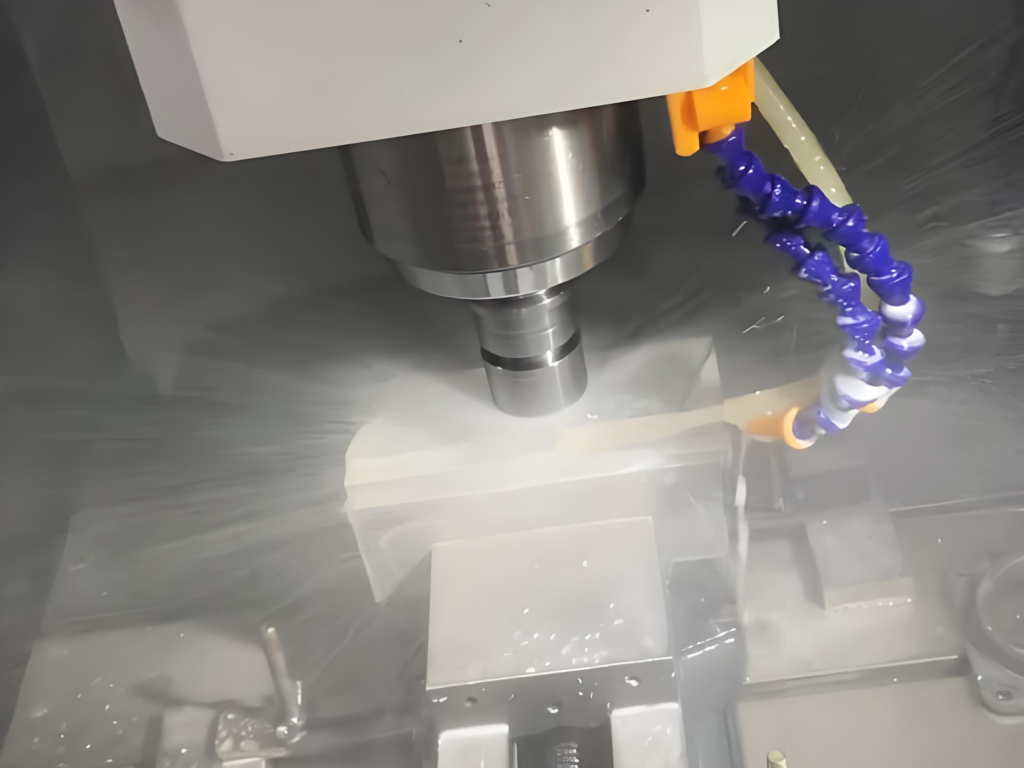
What is Tapping in Machining
Tapping is a key CNC operation for cutting internal threads in pre-drilled part holes. These threads enable proper assembly of bolts, nuts and fasteners. CNC automation delivers high-precision, high-efficiency tapping.
What Is the Purpose of a Tapping Machine
Tapping units mount on CNC machines to cut internal threads in pre-drilled workpiece holes. Widely used in automotive manufacturing for chassis housings, engine blocks and more, tapping ensures full screw and bolt connection strength.
Best CNC Tapping Machine Products for Aluminum Alloy
Key factors for optimal aluminum machining include ideal spindle speed, torque, and chip management.
Brother Speedio R450X2 and S700X2 are ideal for premium aluminum alloy machining, delivering high-speed tapping and outstanding precision.
The Makino F series is another excellent option with high-speed performance.
Many other models are available, yet these two stand out as the top choices.
Advantages and Disadvantages of CNC Tapping
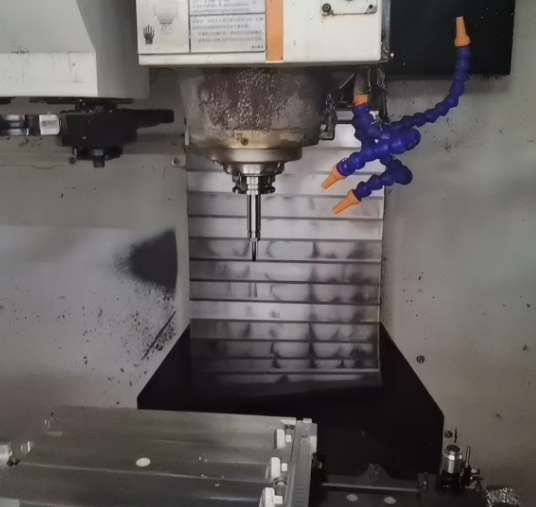
CNC tapping machines are automated, simple in structure and easy to operate. Primarily used for internal threading, this section breaks down its key pros and cons.
Advantages
Cost-Effectiveness
CNC tapping machines are fully automated and only need one skilled operator. Set feed rate, and the machine runs unattended, cutting labor and overall costs — a budget-friendly solution for internal threading.
Productivity
Once programmed with feed rate, CNC tapping systems run automatically at high speed. They outpace manual machines in tapping speed, cutting cycle time and boosting production efficiency.
Consistent Quality
The risk of human error during operation is extremely low. The machine runs continuously in automatic mode until manually stopped. CNC tapping is ideal for applications that require tight hole tolerances and high-quality thread profiles.
Less Scrap and Rework
Thanks to its stable and reliable performance, CNC tapping produces far fewer defective parts compared with manual tapping. Its consistent machining quality minimizes errors and keeps rework rates very low.
Repeatability
Program the thread design into the CNC system, and identical thread specifications can be mass-produced repeatedly.
Safety
Automatic CNC tapping machines are safer than manual ones. Once programmed, they run unattended, lowering workplace injury risks.
Disadvantages
Every machine has certain drawbacks, and CNC tapping machines are no exception. Its main disadvantages are listed as follows:
CNC tapping machines are extremely expensive, requiring a large capital investment for a single unit.
Operating this machine involves complex programming, which consumes a great deal of time.
The machine lacks fast design changeover, with lengthy switch times between workflows. The tap stays in constant contact with the workpiece, raising breakage risks. Spindle speed control is also critical to prevent tool damage.
How Does the CNC Tapping Process Work?
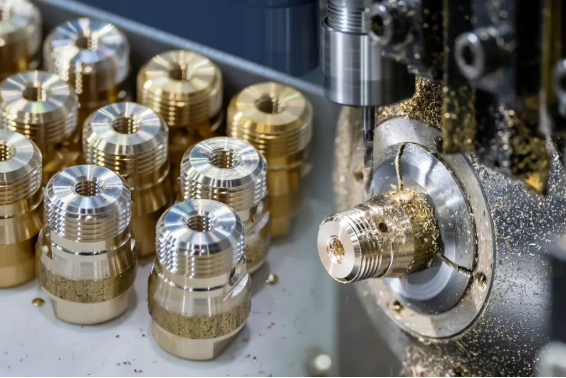
The working principle of a CNC tapping machine relies on pre-programmed feed rates and thread designs. The tapping tool moves at the set feed rate to form internal threads on the workpiece surface. Tapping begins with a pre-drilled pilot hole, which is essential prior to threading.
Step-by-Step Working Process
The entire operation consists of two main steps:
Start by selecting a proper tap. Taps come in various sizes and profiles, chosen according to thread design、screw size、workpiece material and pilot hole diameter.
After mounting the tap, the operator programs thread design and feed rate into the CNC system, then calibrates and sets the tool for accurate hole depth.
CNC Milling and Tapping: A Versatile Solution for Milling and Tapping
Tapping cuts internal threads in parts like nuts, while milling removes material to make complex-shaped components. CNC milling and tapping machines handle both processes, making them a versatile all-in-one solution.
What is Rigid Tapping and How Does It Work?
Rigid tapping is a tapping process that synchronizes spindle speed and feed rate to match the thread pitch. This enables the creation of consistent threads and precise control over blind holes.
Rigid tapping is a precision threading method used in CNC machining. The machine keeps the spindle and tap in perfect synchronization. As the tap rotates, it advances into the material at a controlled rate. The spindle and tap rotate together without slipping or misalignment, producing clean, accurate threads.
This differs from floating tapping, where the tapping head has flexibility to compensate for misalignment. In rigid tapping, the connection between the spindle and tap is rigid, resulting in more precise and consistent threads.
Rigid tapping fits high-volume runs and precision threading applications. For CNC rigid tapping, ensure your machine supports the function and taps match your workpiece material.
Types of Taps in CNC Tapping
Taps used in CNC tapping machines come in many varieties based on differences in material, hole diameter and other factors. This article focuses on the most commonly used tap types.
Spiral Point Tap
Straight-flute taps deliver cutting fluid while machining. Chips exit forward through the tap’s tapered lead angle, and spiral point taps are ideal for through-hole tapping.
Spiral Flute Tap
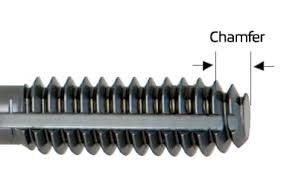
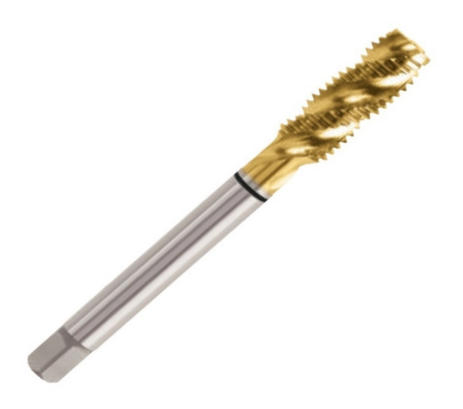
As shown in the figure below, the end of a spiral flute tap is flat. It features more cutting edges and removes material faster than other types of taps.
A pre-tapping operation is required before using these taps. Spiral flute taps are suitable for blind holes and hard materials where chip accumulation is a concern.
Forming Tap Roll Form Tap
As the name implies, these taps displace material by rolling instead of producing chips. They are flute-less taps and require no chip evacuation from the machining surface.
CNC Tapping Tools and Accessories
CNC tapping tools cover taps, tap collets, coolant-fed taps and more, each with distinct functions. Coolant-fed taps channel cutting fluid to manage tapping heat, while tap collets firmly clamp and hold taps.
Accessories include tap speed regulators, depth limiters, torque limiters, and other related components.
CNC Tapping Head
The tapping head controls the operation of the tap. When pressed downward, the tap advances into the workpiece and starts machining. When pulled upward, the tap retracts to its original position, pausing the tapping process temporarily.
Selection and Setup of CNC Tapping Tools
The selection of taps depends on the workpiece material, hole diameter, screw size and thread standard. The setup requires tap holders, feed rate configuration and cutting coolant to control heat generation during tapping machining.
Types of CNC Tapping Processes
There are several types of CNC tapping processes available for different application requirements. The most commonly used methods are introduced below.
Through-Hole Tapping
Ideal for parts with hole depth matching workpiece thickness, this process uses spiral point taps and fluted taps. Chips eject from the hole bottom, enabling smooth material removal.
Blind-Hole Tapping
Blind-hole tapping uses fluted taps. The hole doesn’t go all the way through the workpiece. Internal threads make chip removal difficult, often requiring manual cleaning of residual chips.
Floating Tapping and Its Advantages
In the floating tapping process, a floating holder is used to clamp the tap. The tap allows slight displacement and floats on the spindle to compensate for misalignment between the workpiece and machine spindle. It avoids rigid forced contact between the tap and workpiece, greatly reducing the risk of tap breakage.
Synchronous / Self-Reversing Tapping
This process is engineered for fast threading and high-volume production. After completing its tapping cycle, the tap retracts automatically, running unattended for maximum efficiency.
Peck Tapping
The tap cycles in and out of the hole repeatedly until threading is finished.
Form Tapping
This chip-free process uses forming taps to cold-forge and displace metal into internal threads, delivering clean machining with no material removal.
What Is the CNC Tapping Formula?
There are two core formulas for CNC tapping. One is used to calculate the feed rate, and the other is for determining the spindle speed.
Spindle Speed

SFM stands for cutting speed, and D represents the tap diameter.
Feed Rate

RPM refers to spindle speed, and TPI stands for threads per inch. If the spindle runs at 1000 RPM to produce 20 TPI, the feed rate will be 50 IPM.
Common Applications of CNC Tapping
CNC tapping delivers precise, high-quality internal threading with simple automated operation. Widely applied in automotive, aerospace, electronics and industrial equipment manufacturing, it is indispensable to modern manufacturing.
How to Improve CNC Tapping Performance
Many aspects can be optimized to enhance CNC tapping performance. Tap selection is extremely important. Workpiece orientation and clamping are key factors to consider during machining. Accurate feed rate and spindle speed can greatly improve performance. Sufficient lubrication also plays a vital role in boosting overall tapping performance.
CNC Tapping Services Zorapid CNC Machining
We provide premium CNC tapping services for precise internal threads of screws, bolts, nuts and more. Visit https://zorapid.com to get high-quality services at the most competitive prices with on-time delivery.
FAQ
What Is the Difference Between Drilling and Tapping?
Drilling makes workpiece holes; tapping cuts internal threads in pre-drilled holes. Both are widely used for nut and screw production.
CNC Tapping vs Rigid Tapping
Both are CNC tapping methods. Rigid tapping synchronizes spindle rotation with Z-axis feed for superior thread quality.
CNC Tapping vs Thread Machining
If you need to machine internal threads in part holes such as nuts, the tapping process is the ideal choice. A tap is used to cut threads during this operation.
There are multiple thread standards available for thread machining. It is specially applied to cylindrical components like bolts and rods, using dies with customized designs and dimensions.
What Is the Purpose of a Tap and Die Set?
Place the target material into the die set, and the material will be shaped to match the die profile. A tap is a specialized tool for tapping, which means cutting internal threads inside pre-drilled holes.