Zorapid Official Blog
Let’s be real: You can machine a perfect CNC part, bend a crisp sheetmetal bracket, or mill a precision mold cavity—but skip the right surface finish, and it’s basically useless. Poor finish = corrosion, stuck mold parts, bad fit, or a product that just looks cheap.
Whether you’re working on CNC precision parts, sheetmetal enclosures, or medical/industrial molds, surface finishing isn’t just cosmetics—it’s about durability, compliance, performance, and user trust.
At Zorapid, we’ve handled tens of thousands of parts across every finish you can name—from basic as-machined to high-end PVD and medical-grade electropolish. Today we’re breaking down all common finishes, how they work, when to use them, what others mess up, and why we’re the team to get it right.
In-Depth Surface Finishing Tech Breakdown
We’ll cover the 9 most common finishes for CNC, sheetmetal, and mold components—with clear tech details, pros/cons, and how Zorapid does it differently.
As-Machined (Raw CNC/Sheetmetal)
What it is: Straight from the machine—no extra finishing, just deburred edges. Ra ~3.2–6.3 μm, visible tool marks.
Best for: Internal non-visible parts, test fixtures, low-cost prototypes.
Zorapid process: Precision deburr + edge break (0.3–0.5mm) + ultrasonic clean. No sharp edges, no burrs.
Peer difference: Most shops skip full deburr—you get sharp corners and loose chips. We deliver safe, clean raw parts.
Bead Blasted (Glass/Sand Blasted)
What it is: High-pressure glass beads blast the surface, creating a uniform matte texture. Ra ~0.8–1.6 μm.
Best for: Hiding tool marks, consistent look, prep for anodize/powder coat. Works on aluminum, steel, stainless, titanium.
Zorapid process: Class-A blast booth, controlled bead size (120–220 grit), consistent coverage. No uneven spots, no embedded beads.
Peer difference: Cheap shops use dirty media → contamination; inconsistent pressure → patchy finish. We do clean, repeatable blasting.
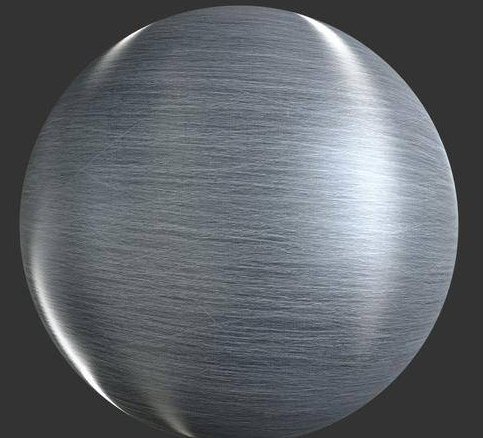
Brushed (Satin/Linear Grain)
What it is: Linear abrasive grain (400–600 grit) creates uniform parallel lines. Ra ~1.2 μm.
Best for: Stainless steel enclosures, consumer electronics, visible hardware—modern metal look.
Zorapid process: Automated orbital brushing + manual touch-up for edges. Straight, consistent lines—no swirls.
Peer difference: Hand-brushed only → messy, inconsistent lines. We deliver machine-perfect brushed finishes.
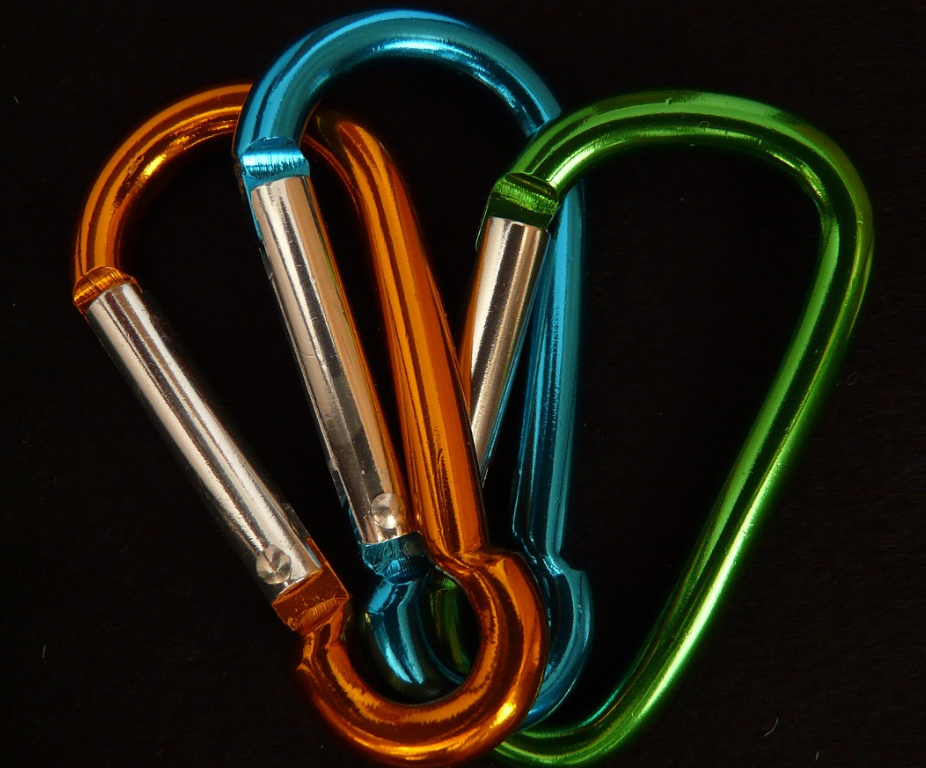
Anodizing (Type II/III – Aluminum Only)
What it is: Electrochemical process grows a hard, protective aluminum oxide layer. Type II (5–20μm): decorative/light corrosion; Type III (25–50μm): hard, wear-resistant (MIL-A-8625).
Best for: Aluminum CNC parts, aerospace, medical, consumer goods. Dyed colors available (black, clear, red, blue).
Zorapid process: Medical-grade anodize line, precise thickness control, sealed pores. Salt fog: Type II ≥336h, Type III ≥1500h.
Peer difference: Many shops skip proper sealing → corrosion; uneven thickness → dimensional issues. We deliver tight-tolerance, corrosion-proof anodize.
Powder Coating
What it is: Electrostatic dry powder applied + oven-cured (180–200°C). Thick, tough coating (18–72μm).
Best for: Sheetmetal enclosures, frames, outdoor parts. All metals, unlimited colors, ultra-durable.
Zorapid process: Chrome phosphate pretreatment + electrostatic spray + batch oven cure. No orange peel, no runs, 100% coverage.
Peer difference: Poor pretreatment → peeling; low-quality powder → fading. We deliver industrial-grade, long-lasting powder coat.
Electroless Nickel Plating (ENP)
What it is: Chemical nickel coating (no electricity) with uniform thickness (5–25μm). Hard, corrosion-resistant, smooth.
Best for: Mold cavities, precision CNC parts, high-wear components. Steel, stainless, aluminum.
Zorapid process: High-phos ENP (10–12% P), heat-treated (200°C) for hardness. Ra ≤0.8μm, salt fog ≥1000h.
Peer difference: Thin, porous coating → corrosion; uneven thickness on complex shapes. We deliver dense, uniform ENP for molds.
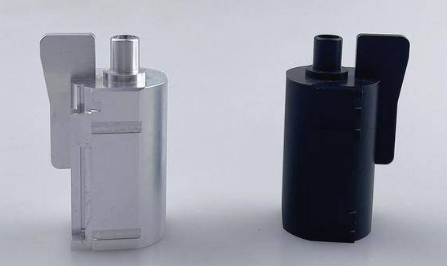
Black Oxide (Blackening – Steel Only)
What it is: Chemical conversion coating (magnetite Fe3O4). Thin (0.5–1.5μm), black, no dimensional change.
Best for: Steel molds, fasteners, tools. Reduces glare, mild corrosion (needs oil/wax).
Zorapid process: Hot alkaline black oxide + oil seal. Uniform black, no red rust spots.
Peer difference: Cold black dye (cheap) → rubs off; no sealing → rust. We deliver permanent, sealed black oxide.
Electropolishing (Stainless Steel)
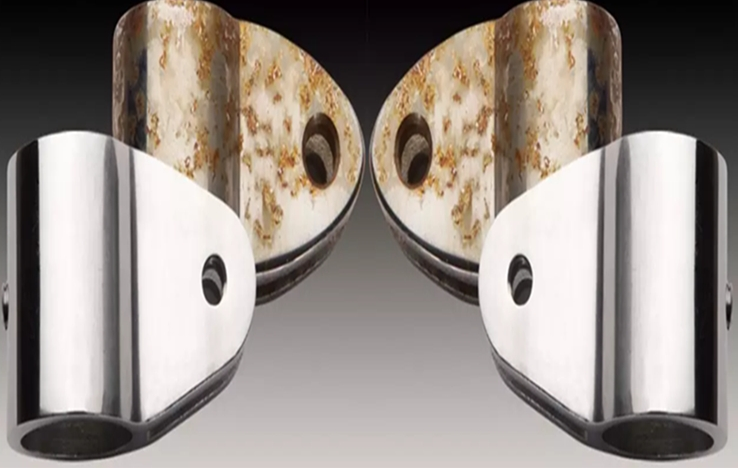
What it is: Electrochemical removal of surface material—smoothes, brightens, and passivates. Ra ≤0.2μm.
Best for: Medical parts, food equipment, cleanroom components. 304/316L stainless.
Zorapid process: Medical-grade electropolish + passivation. Removes free iron, prevents rust, easy to clean.
Peer difference: Over-etching → pitting; poor passivation → corrosion. We deliver FDA-compliant electropolish.
PVD Coating (Physical Vapor Deposition)
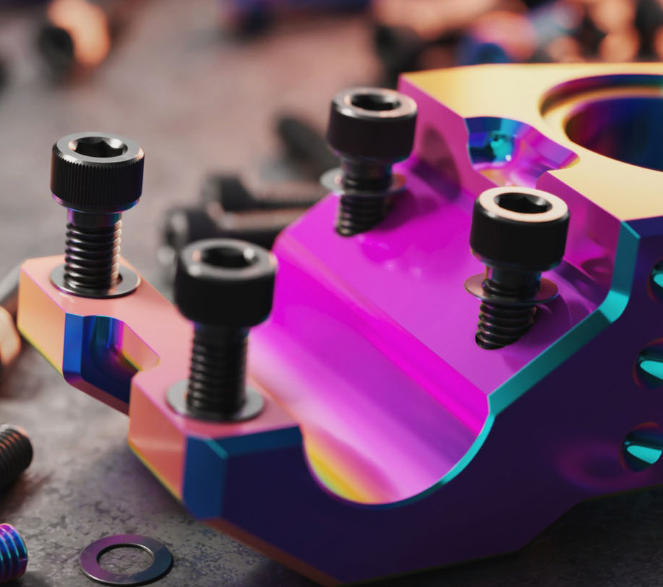
What it is: Vacuum-deposited thin film (2–5μm) of TiN, TiCN, or DLC. Ultra-hard (2000–4000 HV), corrosion-proof.
Best for: High-end molds, medical implants, aerospace parts. All metals.
Zorapid process: In-house vacuum PVD, precise thickness control. Salt fog ≥2000h, scratch-resistant.
Peer difference: Most shops outsource → long lead times; poor adhesion → peeling. We do in-house PVD for speed and quality.
Quick Comparison Table (Zorapid vs. Average Shop)
| Finish | Zorapid Standard | Average Industrial Shop |
|---|---|---|
| Bead Blast | Uniform, clean media, no embedded grit | Dirty media, patchy, contamination risk |
| Anodize | Sealed pores, precise thickness, color consistency | Poor sealing, uneven thickness, fading |
| Powder Coat | Phosphate prep, no orange peel, full coverage | Light prep, runs, orange peel, peeling |
| Electroless Nickel | Dense, heat-treated, uniform on complex shapes | Thin, porous, uneven on corners |
| Electropolish | Medical-grade, full passivation, Ra ≤0.2μm | Over-etching, pitting, incomplete passivation |
Hard-to-Make Finishes Only Zorapid Can Do
Any shop can do basic bead blast or black oxide. These 5 tough finish challenges? Most quote “impossible” or deliver garbage. Here’s how we solve them:
Pain 1: Ultra-Thin Anodize (5μm) for Precision Aluminum CNC Parts
Problem: Thin anodize is easy to burn, uneven, or seal poorly. Critical for tight-tolerance aerospace/medical parts where thick coating changes dimensions.
Zorapid Solution:
- Low-voltage, temperature-controlled anodize tank
- Real-time thickness monitoring (±1μm precision)
- Cold sealing to prevent pore clogging
- Result: Consistent 5μm Type II anodize, no dimensional shift, salt fog ≥336h. Competitors either make it too thick or patchy.
Pain 2: Mirror Electropolish (Ra ≤0.05μm) for Complex Stainless Medical Components
Problem: Complex geometries (holes, slots, undercuts) trap electrolyte → uneven polish, pitting, or shadow areas.
Zorapid Solution:
- Custom fixturing for full electrolyte flow
- Multi-stage electropolish + ultrasonic cleaning between stages
- Final passivation with citric acid (FDA-compliant)
- Result: Mirror finish on every surface, no shadow areas, 100% cleanable. Competitors leave dull spots or pitting.
Pain 3: Uniform Powder Coat on Deep-Cavity Sheetmetal Enclosures
Problem: Faraday cage effect—deep corners and inner walls get thin/no coating, leading to rust.
Zorapid Solution:
- Pre-treatment with conductive primer
- Electrostatic gun with extended nozzles + rotation fixturing
- Low-faraday powder formula
- Result: 100% coverage on inner walls/corners, no thin spots. Competitors have bare inner areas that rust in months.
Pain 4: Electroless Nickel on High-Hardness Mold Steel (HRC 58–62)
Problem: Hard steel resists nickel adhesion → peeling, flaking, or spotty coverage. Critical for PEEK/LSR molds that need wear resistance.
Zorapid Solution:
- Multi-stage activation + nickel strike pre-coat
- High-phos ENP with slow deposition rate
- Post-plate heat treatment (200°C) for adhesion
- Result: Dense, adherent nickel layer, no peeling, Ra ≤0.8μm. Competitors’ coating flakes off after a few hundred mold shots.
Pain 5: PVD DLC Coating for Low-Friction Mold Cores
Problem: DLC (Diamond-Like Carbon) needs perfect surface prep—any contamination causes delamination. Critical for LSR molds to prevent sticking.
Zorapid Solution:
- Ultra-sonic clean + plasma etch pre-treatment
- In-house vacuum PVD with bias sputtering
- Adhesion testing (ASTM D3359 5B) for every batch
- Result: DLC coating with <0.1 friction coefficient, no sticking, 500k+ mold shots. Competitors’ DLC peels or sticks.
Applicable Materials + Finish Compatibility Chart
Choosing the wrong finish for your material = disaster. Below is the ultimate compatibility guide—no more guesswork.
Surface Finish × Material Compatibility Matrix
| Finish | Aluminum | Steel | Stainless (304/316L) | Copper/Brass | Titanium |
|---|---|---|---|---|---|
| As-Machined | ✅ | ✅ | ✅ | ✅ | ✅ |
| Bead Blasted | ✅ | ✅ | ✅ | ✅ | ✅ |
| Brushed | ❌ | ✅ | ✅ | ✅ | ❌ |
| Anodize (II/III) | ✅ | ❌ | ❌ | ❌ | ✅ (Ti Anodize) |
| Powder Coating | ✅ | ✅ | ✅ | ✅ | ✅ |
| Electroless Nickel | ✅ | ✅ | ✅ | ✅ | ✅ |
| Black Oxide | ❌ | ✅ | ✅ | ✅ | ❌ |
| Electropolish | ❌ | ❌ | ✅ | ✅ | ✅ |
| PVD Coating | ✅ | ✅ | ✅ | ✅ | ✅ |
Material-Specific Finish Recommendations
- Aluminum (6061/7075): Type III Hard Anodize (wear parts) / Powder Coat (enclosures) / Bead Blast (prototypes)
- Steel (1045, P20, S136): Electroless Nickel (molds) / Black Oxide (tools) / Powder Coat (outdoor)
- Stainless (304/316L): Electropolish (medical) / Brushed (enclosures) / Bead Blast (general)
- Titanium (Ti-6Al-4V): PVD (implants) / Bead Blast (aerospace) / Ti Anodize (color)
- Copper/Brass: Electroless Nickel (wear) / Bead Blast (decorative)
Critical Note: Never anodize steel/stainless—it won’t form a proper oxide layer. Never black oxide aluminum—it won’t react.
Real Client Case Studies
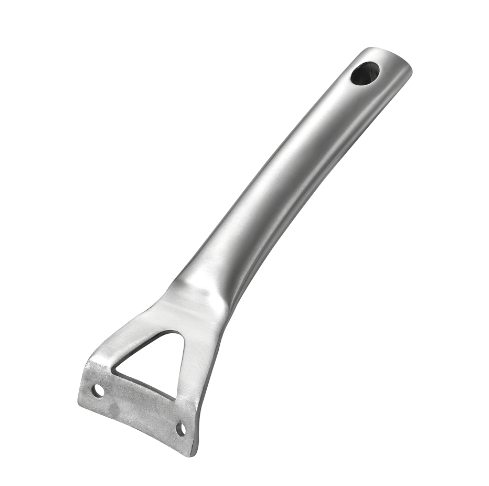
1: US Medical OEM | 316L Stainless Surgical Handle (Electropolish, Ra ≤0.05μm)
- Challenge: Complex geometry (grooves, holes) required mirror finish for sterilization; previous supplier left dull spots and pitting.
- Zorapid Solution: Custom fixturing + multi-stage electropolish + citric acid passivation.
- Result: Ra 0.04μm mirror finish, 100% coverage, passed FDA cleanability test. Client switched all medical stainless parts to Zorapid.
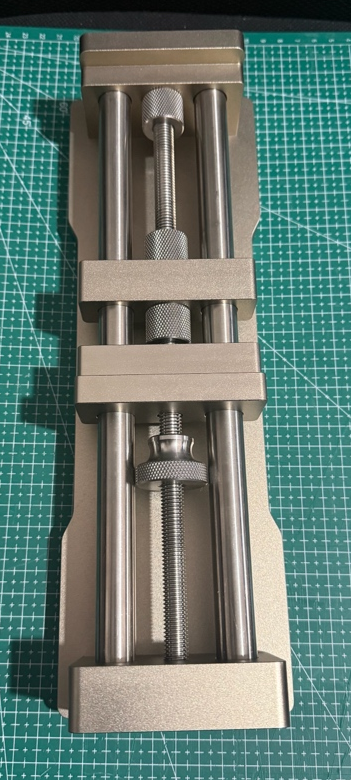
2: German Automotive Supplier | Aluminum 7075-T6 Aerospace Bracket (Type III Hard Anodize, 50μm)
- Challenge: High-wear aerospace application needed thick, uniform hard anodize; EU supplier had uneven thickness (30–70μm) and corrosion spots.
- Zorapid Solution: Temperature-controlled tank + real-time thickness monitoring + hot sealing.
- Result: 48–52μm consistent thickness, salt fog 1500h+, passed AS9100 audit. Lead time cut from 4 weeks to 10 days.
3: UK Industrial Design Firm | Sheetmetal Steel Enclosure (Powder Coat, Deep Cavity)
- Challenge: 300mm deep inner cavity needed full powder coverage; local shop had bare inner walls that rusted in 3 months.
- Zorapid Solution: Conductive primer + extended-nozzle electrostatic gun + rotation fixturing.
- Result: 100% coverage on all inner surfaces, no rust after 1 year outdoor testing. Client scaled enclosure production to 5,000 units/year.
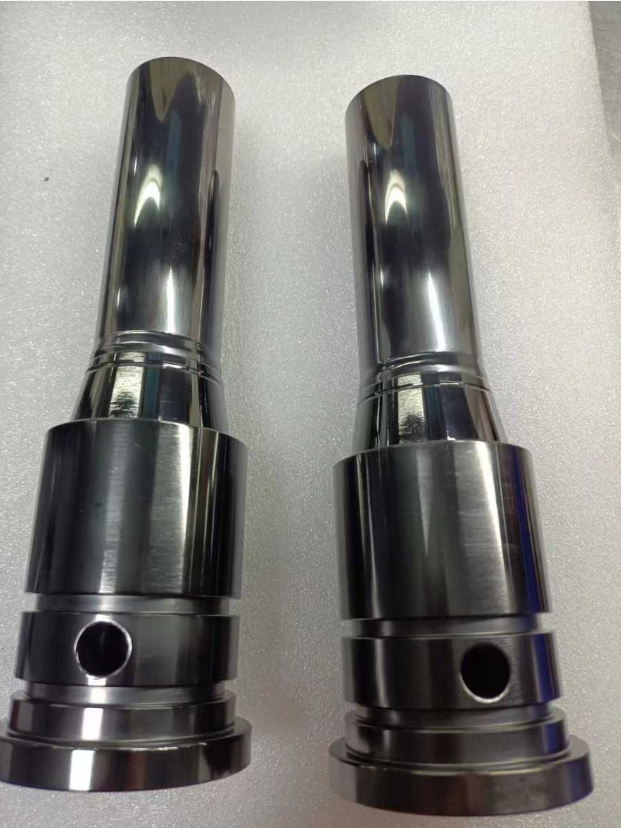
4: Medical Mold Maker | S136 Steel LSR Mold Cavity (DLC PVD Coating)
- Challenge: LSR silicone stuck to mold, causing flash and part damage; competitor’s coating peeled after 200 shots.
- Zorapid Solution: Ultra-clean prep + in-house DLC PVD + adhesion testing.
- Result: Zero sticking, 500k+ shots without coating failure. Scrap rate dropped from 12% to 0.8%.
Application Scenarios
① Medical Devices & Implants (28% of our finish volume)
- 316L Stainless: Electropolish (surgical instruments, implants)
- Aluminum: Type II anodize (device housings)
- Titanium: PVD (implants, dental parts)
- Molds: DLC PVD / Electroless Nickel (LSR/PEEK molds)
Aerospace & Defense (24% volume)
- Aluminum 7075: Type III hard anodize (brackets, structural parts)
- Titanium: Bead blast / Ti anodize (fasteners, components)
- Steel: Electroless Nickel (hydraulic parts, molds)
Consumer Electronics & Enclosures (31% volume)
- Aluminum: Brushed / Bead blast / Dyed anodize (laptops, cases)
- Sheetmetal Steel: Powder coat (enclosures, frames)
- Stainless: Brushed (visible hardware)
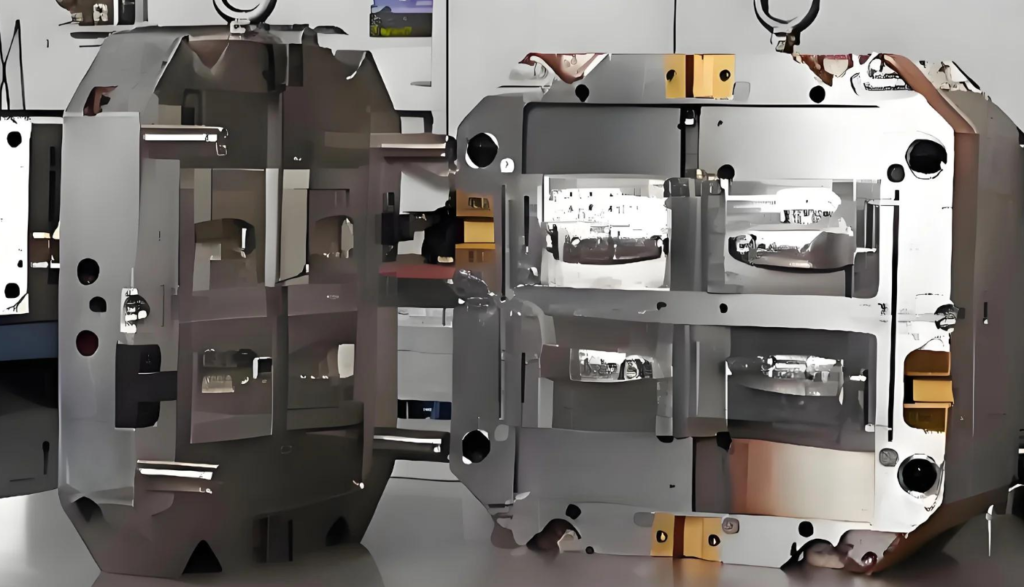
Industrial Molds & Tooling (17% volume)
- S136/420SS: Electroless Nickel / DLC PVD (plastic/LSR molds)
- P20 Steel: Black oxide / Powder coat (injection molds)
- High-hardness steel: PVD (high-wear mold cores)
Industry Data + Future Trends (2026–2030)
Global Surface Finishing Market Snapshot (2026)
| Metric | Data | Source |
|---|---|---|
| Global Market Size | USD 48.2 Billion | Global Market Insights |
| CAGR (2026–2035) | 5.8% | Global Market Insights |
| Top 3 Finishes | Powder Coat (38%), Anodize (22%), Electroless Nickel (14%) | Industry Survey |
| Fastest-Growing Segment | Medical-Grade Finishes (CAGR 8.2%) | Grand View Research |
| Top Region Demand | Europe (39%) > North America (31%) > APAC (24%) | Global Market Insights |
4 Key Future Trends + Zorapid’s Position
- Green & Eco-Friendly Finishes Mandatory
- EU REACH bans hexavalent chrome; demand for non-chrome anodize, powder coat, electropolish surges.
- Zorapid: 100% hex-chrome-free processes, RoHS/REACH compliant.
- Medical & Aerospace Precision Finishes Explode
- Implantable devices and electric aircraft drive demand for Ra ≤0.05μm electropolish, Type III anodize, PVD.
- Zorapid: In-house medical/aerospace finish lines, AS9100/ISO 13485 certified.
- In-House Finishing Beats Outsourcing
- Long lead times (4–8 weeks) from outsourced finishers push OEMs to partner with full-service shops (machine + finish in-house).
- Zorapid: All finishes in-house—no third-party delays, full quality control.
- Digital & Smart Finishing
- AI-controlled thickness, real-time quality monitoring, digital traceability for medical/aerospace.
- Zorapid: IoT-connected finish tanks, digital batch records, full traceability.
Delivery Speed Advantage (In-House = Faster Than Anyone)
Surface finishing is usually the biggest bottleneck—outsourcing adds weeks. At Zorapid, all finishes are in-house, so we control the timeline.
Standard Lead Times (From Raw Machined Part to Finished)
| Finish | Zorapid In-House | Typical Outsourced Shop |
|---|---|---|
| Bead Blast/Brushed | 1–2 days | 5–7 days |
| Anodize (II/III) | 2–3 days | 7–10 days |
| Powder Coating | 2–3 days | 7–14 days |
| Electroless Nickel | 3–4 days | 10–14 days |
| Electropolish | 2–3 days | 7–12 days |
| PVD Coating | 3–5 days | 14–21 days |
Why we’re faster:
- No shipping parts to external finishers
- No waiting in third-party queues
- Parallel processing (machining + finishing scheduled together)
Real example: A German medical client needed 500 electropolished 316L parts in 5 days. Outsourced shops said impossible—we delivered in 3 days.
Why Choose Zorapid for All Your Surface Finishing
- In-House Full-Service: Machining + finishing under one roof—no third-party risk, faster lead times, better quality control.
- Medical/Aerospace Certified: ISO 13485, AS9100, RoHS/REACH compliant—perfect for regulated industries.
- Hard-to-Master Finish Experts: We specialize in ultra-thin anodize, mirror electropolish, DLC PVD—jobs others can’t do.
- Material-Specific Precision: We know exactly which finish works for each material—no costly mistakes.
- Consistent, Repeatable Quality: Automated processes + strict QC—every batch matches, no surprises.
- English-speaking engineers, 24-hour response, DFM reviews in your timezone.
- Cost-Effective: In-house finishing cuts out middlemen—15–25% cheaper than outsourced premium finishes.
Final Summary
Surface finishing isn’t just the final step”—it’s what makes your CNC, sheetmetal, or mold part perform, last, and comply. Choosing the wrong finish leads to corrosion, failure, and wasted money.
Zorapid’s in-house, full-spectrum surface finishing solves your biggest pain points:
- Expert matching of finish to material and application
- Mastery of hard-to-make finishes others avoid
- Faster lead times (no outsourcing delays)
- Medical/aerospace-grade quality and compliance
- Consistent, repeatable results every time
Whether you need a simple bead blast, medical electropolish, or high-end PVD coating—Zorapid is your one-stop partner for perfect surface finishes.
FAQ
How do I choose between Type II and Type III anodize for aluminum?
Type II (5–20μm) = decorative/light corrosion (consumer electronics, housings).
Type III (25–50μm) = hard/wear-resistant (aerospace, molds, high-friction parts).
Can you do custom colors for powder coating and anodize?
Yes. Powder coat: any RAL/Pantone color. Anodize: standard colors (black, clear, red, blue, gold) + custom dye matching for large batches.
What’s the difference between electroless nickel and regular electroplated nickel?
Electroless: No electricity, uniform thickness on complex shapes, harder, more corrosion-resistant.
Electroplated: Uses electricity, uneven on corners/holes, cheaper, less durable. We recommend electroless for molds/precision parts.
Is black oxide a good corrosion protection for steel?
Mild corrosion resistance only. It’s a conversion coating (thin, no build-up). For outdoor/high-corrosion environments, use powder coat or electroless nickel instead.
Do you provide finish samples before full production?
Absolutely. We offer free finish swatches for all processes, and can do small test samples of your part before full batch production—no risk for you.