Published:Zorapid.Ltd
New Product Introduction (NPI) is the full end-to-end workflow that converts custom industrial equipment CAD designs into stable, repeatable mass production components. For custom machinery, automation frames, semiconductor chambers, aerospace fixtures and energy equipment parts, a standardized NPI eliminates costly late-stage redesign, dimensional scrap and supply chain delays.
Without structured NPI, OEMs face 3 core pain points:
- Prototype geometry cannot scale to mass manufacturing
- Tight tolerances (±0.005mm) fail consistent replication
- Unvalidated processes trigger production line downtime and field part failure
Zorapid’s industrial-grade NPI framework is built for high-mix, low-to-high volume custom metal & plastic equipment parts, compliant with ISO 9001 and AS9100 standards. Our workflow integrates CNC 5-axis machining, SLM metal additive manufacturing, sheet metal fabrication and injection molding under one roof to cut NPI lead times by 35% vs. multi-vendor suppliers.
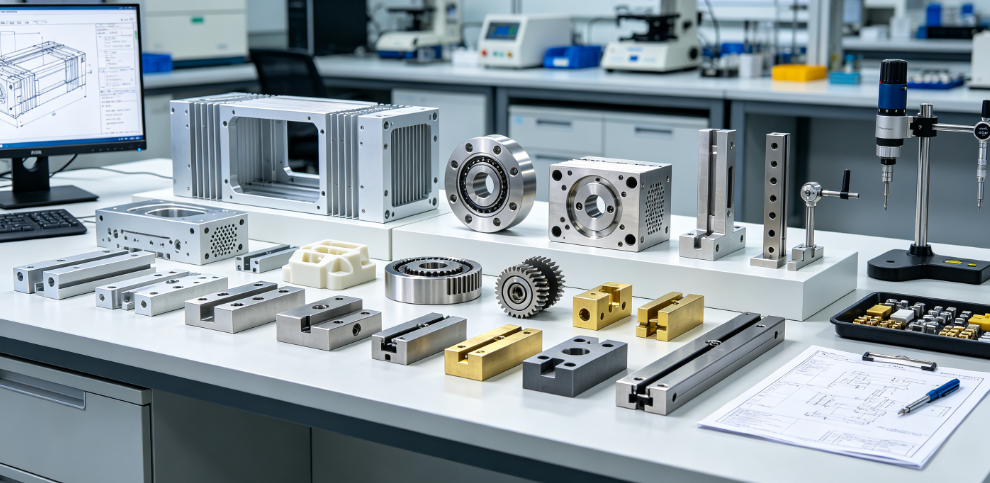
Core NPI Goals for Custom Equipment Parts
- Lock functional, cost-optimized design before hard tooling investment
- Verify all manufacturing processes for repeatability (Cpk ≥1.33)
- Complete full dimensional, material and reliability validation
- Deliver fully documented PPAP/FAI packages for regulated industrial sectors
Project Kickoff & Requirement Definition
This opening gateway aligns Zorapid engineering, QA and client design teams on non-negotiable part specs before any design modification or machining begins.
Key Activities
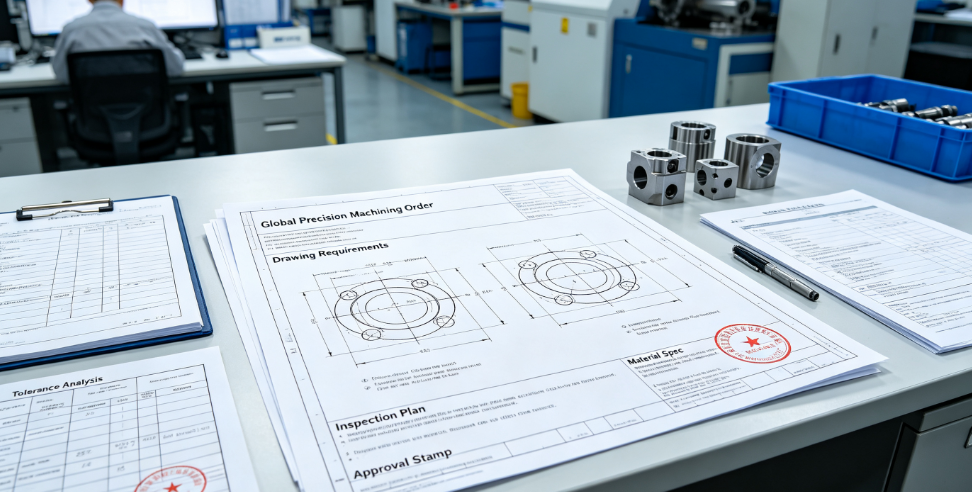
- Client document submission: STEP/IGS CAD files, 2D GD&T drawings, BOM, material specs, tolerance standards, surface finish requirements (Ra 0.2–3.2μm)
- Cross-functional kickoff meeting: Confirm target volumes (1-off prototype → 500–10,000 mass run), delivery milestones, industry compliance (RoHS, REACH, aerospace MTR traceability)
- Feasibility risk assessment: Evaluate hard-to-machine alloys (IN718, Ti-6Al-4V, 17-4PH), thin-wall structures, internal conformal cooling channels and assembly stack-up tolerances
- Formal project charter release: Lock budget, timeline, acceptance criteria and single point of contact for technical revisions
Mandatory Deliverables
- Customer Requirements Specification (CRS)
- Initial project risk matrix (DFMEA draft)
- Material availability & cost pre-evaluation report
DFM/DFA Review & Digital Simulation
DFM (Design for Manufacturability) review is the most cost-saving NPI stage — design adjustments here cost near-zero, while production-stage rework can raise part costs by 200–400. Zorapid combines manual engineering audit with digital twin simulation for custom equipment parts.
DFM Critical Checkpoints for Industrial Custom Parts
- Draft angles for molded/forged components (minimum 1.5° for industrial housings)
- Internal radii to eliminate CNC sharp-corner tool chatter
- Datum feature optimization for consistent CMM inspection
- Material stock allowance for hybrid print-then-machine workflows
- Secondary process compatibility (anodizing, passivation, laser marking, welding)
Digital Simulation Workflow
- Moldflow thermal warpage simulation for plastic equipment housings
- VERICUT CNC toolpath collision simulation to avoid overcut/edge chipping
- SLM metal printing thermal stress simulation to reduce part distortion
- Assembly stack-up tolerance analysis for multi-component equipment subassemblies
Deliverables to Approve Before Prototype Build
- Full DFM report with annotated CAD revision recommendations
- Digital simulation test report (warpage, stress, cycle time estimates)
- Updated DFMEA with mitigated manufacturing risks
Prototype Manufacturing & EVT Validation
Once DFM revisions are signed off, Zorapid produces engineering prototypes for EVT (Engineering Verification Test). Prototypes match production-grade materials, not low-cost substitute stock, to replicate real equipment operating conditionsPEKO.
Prototype Production Methods (Zorapid In-House)
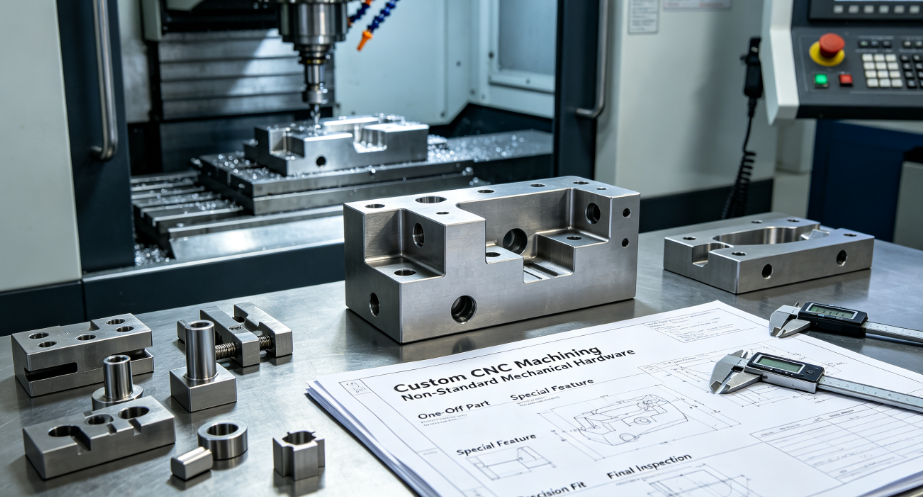
- Low-volume precision CNC: 3/5-axis milling, Swiss turning, wire EDM
- SLM metal 3D printing: Complex lattice, conformal channel equipment parts
- Vacuum casting: Small batch plastic equipment housings
- Sheet metal laser cutting & TIG welding: Machine frame structures
EVT Testing Scope for Industrial Equipment Components
- Full dimensional CMM inspection against GD&T drawings
- Material PMI/XRF testing to verify alloy composition (MTR certificates issued)
- Functional assembly fit test with mating equipment parts
- Environmental reliability testing: thermal cycling, vibration, corrosion resistance
- Surface finish roughness measurement (Ra profiling)
Gateway 2 Approval Rule
All EVT defects must be logged and closed via engineering change order (ECO) before advancing to tooling development. Unresolved fit or tolerance issues delay downstream NPI stages.
Tooling Fabrication & First Article Inspection
For mass-production custom equipment parts, custom fixtures, jigs, molds and cutting tool sets are manufactured after prototype validation. This phase locks production hardware and generates the formal First Article Inspection report (AS9102 aerospace standard available).
Tooling Development Steps
- Fixture design optimized for minimal CNC setups (reduce alignment error)
- Hard mold/soft tool machining for plastic equipment parts
- Custom cutting tool selection for high-hardness alloy machining
- Tool trial run (T0/T1 sampling) to adjust machining parameters
FAI Core Inspection Standards
- 100% dimensional measurement of all critical GD&T features
- Cross-section analysis for welded/hybrid manufactured parts
- Hardness, tensile strength and surface finish verification
- Full documentation of machine parameters, tool offsets and inspection data
Key Deliverables
- Tooling trial report with parameter adjustment logs
- AS9102-compliant FAI full inspection packet
- Golden sample (client-signed physical reference part for all future production)
Pilot Production & PVT Process Qualification
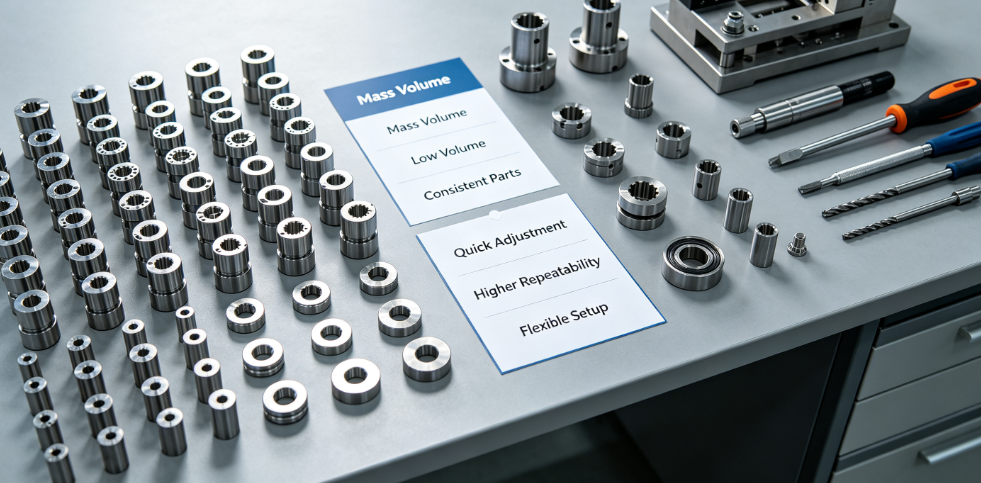
PVT (Production Verification Test) pilot runs validate that the full factory line can produce consistent parts at target production volume, not just one-off samples. Zorapid runs pilot lots of 50–500 units matching your forecasted small-batch output.
Pilot Production NPI Activities
- Full production SOP creation: Machining, finishing, inspection, packaging work instructions
- SPC (Statistical Process Control) setup for critical dimensions, monitor Cpk values
- Full line yield tracking, Pareto defect analysis to identify process bottlenecks
- Operator training for custom fixture setup and quality check procedures
- Secondary process batch validation (anodizing, plating, assembly)
Pass Criteria for Gateway 4 Release
- Critical feature Cpk ≥1.33
- Overall pilot production yield ≥95%
- Zero critical functional or dimensional non-conformities
- All PFMEA risk items have active control measures
Mass Production Ramp & PPAP Sign-Off
Once pilot production passes all quality gates, Zorapid completes the PPAP (Production Part Approval Process) package — mandatory documentation for automotive, aerospace and semiconductor industrial equipment clients. This stage officially transfers the NPI project from engineering to mass production operations.
PPAP Full Documentation Package (Zorapid Standard)
- Design records & authorized ECO revisions
- DFM, DFMEA, PFMEA risk analysis documents
- Full dimensional inspection report & FAI data
- Material test reports (MTR) with full traceability
- SPC process capability study charts
- Sample production parts (golden reference lot)
- SOP, control plan and inspection standards
Mass Ramp Controls
- Phased volume increase (20% → 50% → 100% target capacity)
- Enhanced in-process inspection for first 3 production batches
- Dedicated NPI engineer on-site for 30-day post-ramp support
- Real-time order delivery tracking via Zorapid ERP system
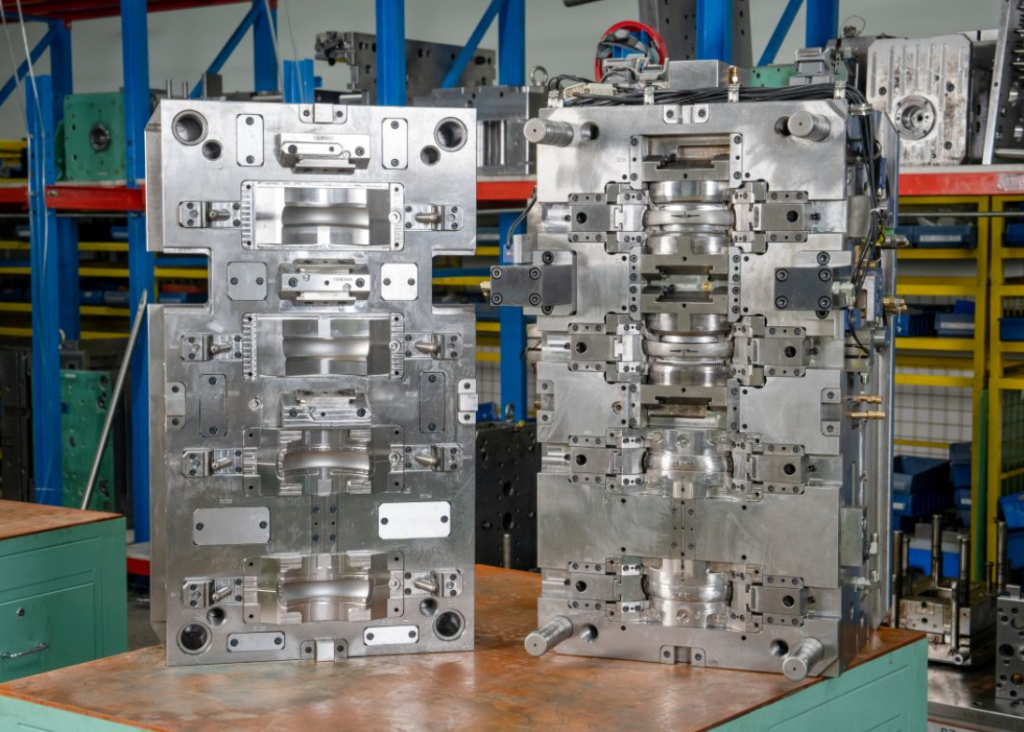
Post-Launch Lifecycle Control & Continuous Improvement
NPI does not end at mass production release. Zorapid maintains a closed-loop feedback system to refine part performance and manufacturing cost over the full equipment component lifecycle.
Ongoing NPI Post-Launch Workflows
- Field failure 8D analysis for returned equipment parts
- Quarterly process re-qualification to maintain Cpk stability
- Annual DFM cost optimization review for long-running production parts
- ECO management process for design revisions, full impact assessment of tooling & inventory
- Supply chain performance monitoring for raw material consistency
Zorapid Hybrid Manufacturing NPI Advantage (CNC + SLM Metal 3D Printing)
Most custom equipment manufacturers separate additive and subtractive workflows, creating disjointed NPI cycles. Zorapid’s integrated hybrid NPI cuts lead time by merging SLM printing and precision CNC finishing in one controlled workflow, ideal for complex industrial equipment parts (turbine components, semiconductor cooling manifolds, robotic end effectors).
Hybrid NPI Unique Steps
- CAD design with print stock allowance on critical tolerance surfaces
- SLM metal printing near-net shape with internal lattice/channels
- Heat treatment stress relief to eliminate print distortion
- 5-axis CNC finish machining to Ra 0.4μm and ±0.005mm tolerance
- Unified CMM inspection for both printed and machined features
Client Benefits
- Consolidate multi-part assemblies into single printed components (lower assembly cost)
- Reduce total NPI timeline by 30–40% vs. split additive/subtractive vendors
- Single-source DFM, prototype, pilot and mass production documentation
Common NPI Failure Risks & Zorapid Mitigation Checklist
| NPI Stage | Top Risk | Zorapid Mitigation Control |
|---|---|---|
| DFM Review | Underspecified radii/draft angles causing scrap | Automated CAD DFM scanner + senior engineer double audit |
| Prototype EVT | Substitute material skews test results | 100% PMI material verification before prototype build |
| Tooling Trial | Fixture alignment drift across batches | Datum probing routines locked into CNC machine programs |
| Pilot PVT | Unstable surface finish on high-volume runs | SPC roughness tracking + dedicated finishing process engineer |
| Mass Ramp | Supply chain raw material shortage | Dual qualified material suppliers pre-approved during NPI |
FAQ
How long is the full NPI cycle for industrial custom equipment parts at Zorapid?
Standard timeline: 12–25 working days for simple CNC machined components; 30–45 days for hybrid SLM + CNC complex equipment manifolds. Accelerated fast-track NPI available for urgent OEM launch schedules.
What documents do I need to start the NPI process?
STEP/IGS CAD files, 2D GD&T engineering drawings, BOM list, material grade specs, target tolerance and surface finish requirements, compliance standards (RoHS/AS9100 if applicable).
Can Zorapid handle regulated industrial sectors (aerospace, medical, semiconductor)?
Yes. We deliver full AS9102 FAI, PPAP, MTR traceability and cleanroom-compatible manufacturing documentation for high-regulation custom equipment parts.
What happens if defects are found during pilot production?
Our NPI engineering team conducts root-cause PFMEA analysis, adjusts machining/printing parameters, runs a revised mini-pilot batch and re-signs off the process before full mass ramp.
Does NPI support design revisions mid-workflow?
Yes. All ECO changes are formally logged, with DFM re-review and targeted prototype re-testing to avoid hidden production risks.